Investing in a new fence is one of the most satisfying and practical upgrades a property can get. Not only does a fence provide greater protection and peace of mind, but it can also provide a defined boundary and a noticeable lift in curb appeal. Fresh fence installation looks exactly right on day one, but day one is just the beginning.
A fence, like any other outdoor structure, has to deal with the weather and seasons for years. People usually think about the purchase price first, but the true investment is realized over the next decade that follows. Before the first post goes in the ground, thinking in lifecycles is one of the most valuable deliberations you can make.
Why Lifecycle Thinking Matters
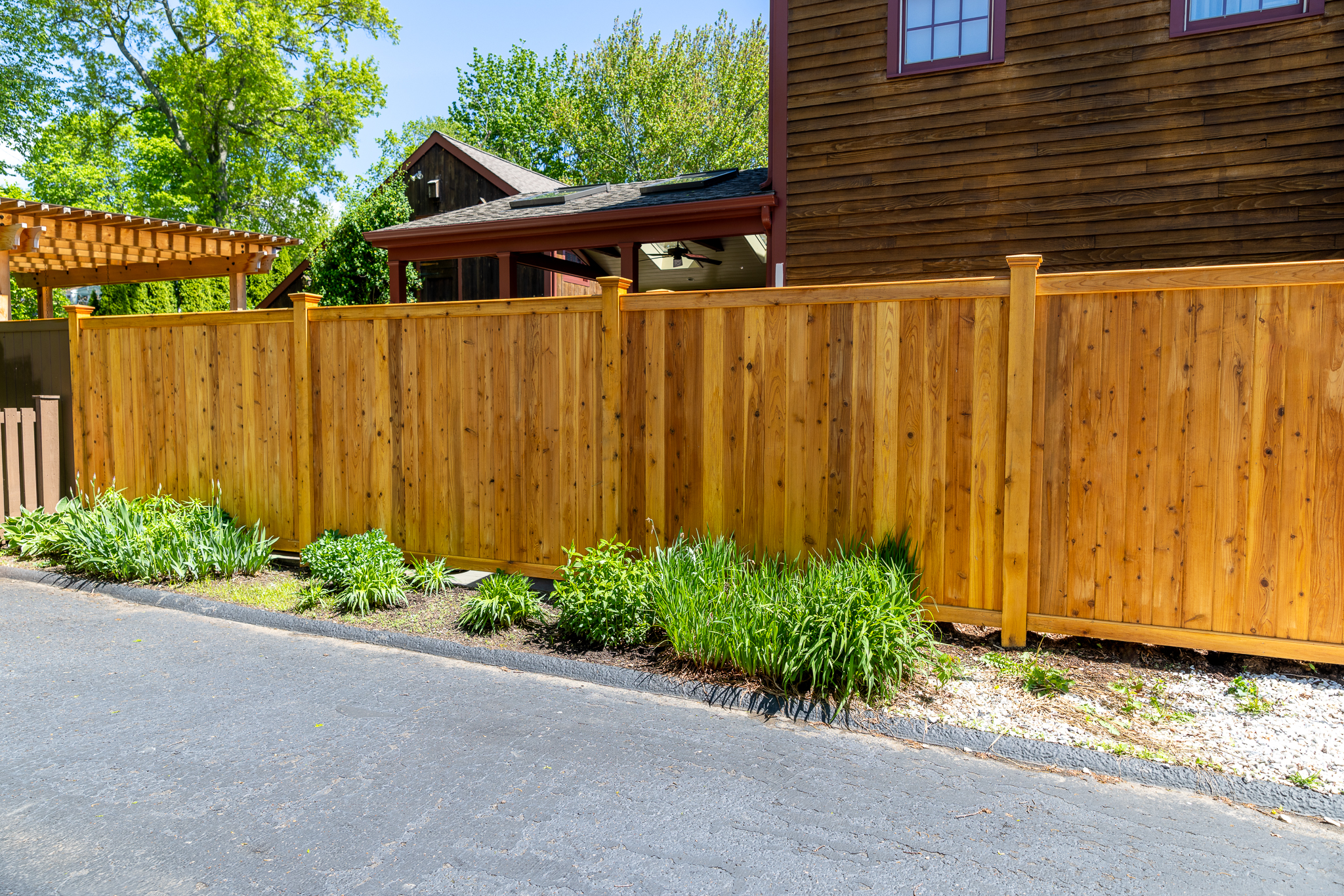
The total cost of owning something is what it costs over its entire life. First, it needs to be installed, then it needs to be maintained regularly, repaired every now and then, and possibly replaced. It tells the entire financial story of the fence from the day it was built until the end of its useful life.
Most customers naturally pay attention to the upfront cost figures, as it’s the most clear number, the one on the quote, and the one that is easiest to compare. But a custom fence isn’t something you buy once. It’s a long-term relationship between a material, the weather, and how much care the owner is willing to give it.
This is where the following 10 to 20-year window offers a crucial lens to see the hidden lifecycle costs. A lower upfront cost can look very different over the course of two decades when you factor in maintenance, refinishing, and possible replacement cycles. The goal is not to find the cheapest fence today. The goal is to find the right fence for the long run.
Wood: A Classic That Thrives With Care
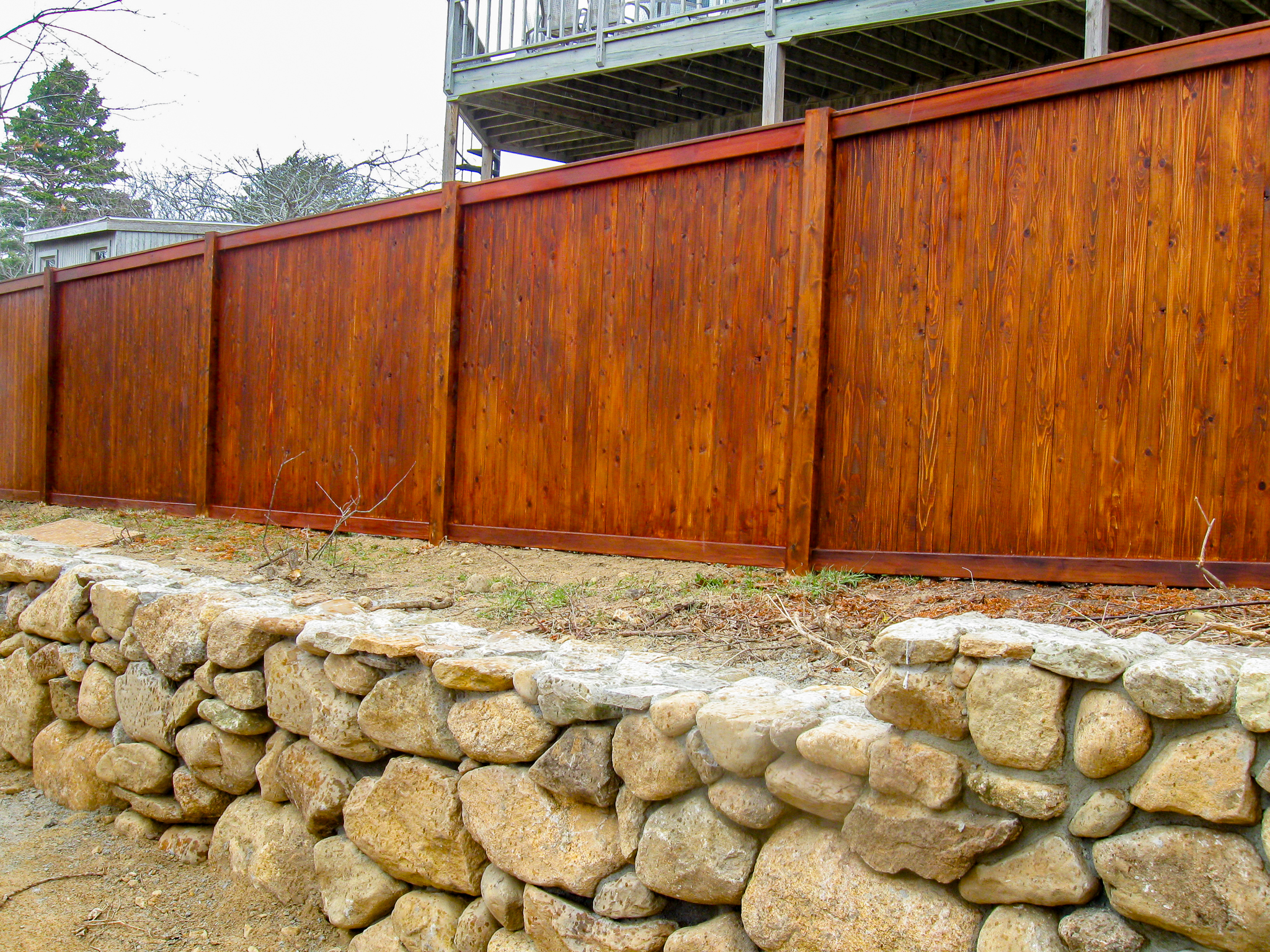
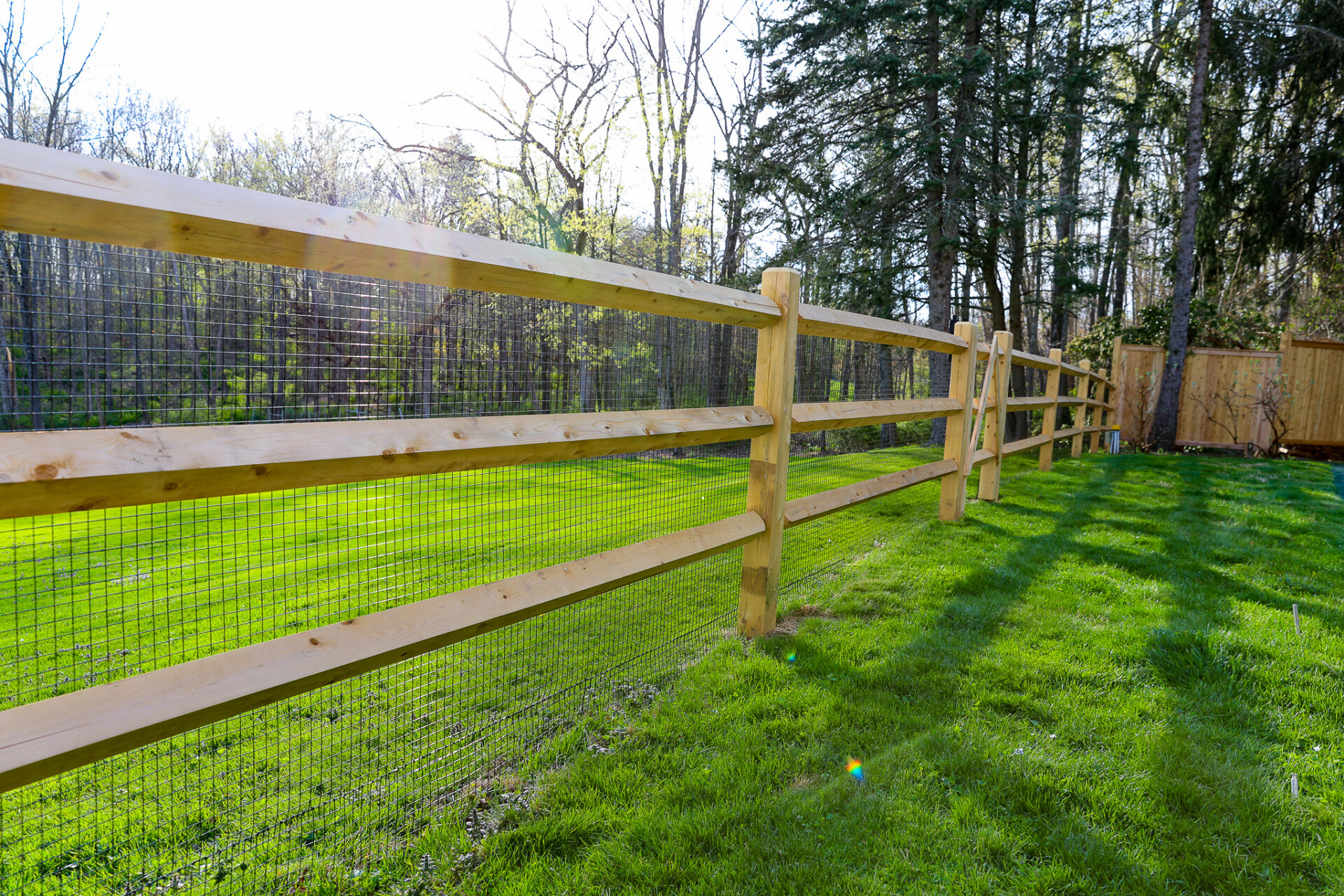
Wood is one of the few materials that offers such warmth and character. For hundreds of years, it has been the best choice for fencing, and for good reason. Wood is easy to source, can be used in many ways, and is one of the easiest types of fencing to get into.
However, not all wood is the same. Choosing the right species is one of the most important steps in the process. The right choice can have a big impact on how well the fence works over time. A few important things to know are:
- Cedar: It’s very resistant to moisture and insects because it has natural oils in it. It also holds stain very well, so the color lasts a long time.
- Redwood: It’s one of the most rot-resistant types of wood. People love it because it stays stable over time and looks great with little care.
- Ipe: Also known as Brazilian walnut, Ipe is one of the hardest and most insect-resistant woods, and its longevity can span many decades with the right care.
- Pressure-Treated Pine: This type of pine has been treated to keep bugs, fungi, and rot at bay. It is a great choice for a workhorse because it is much more durable than its low price.
The first step to a fence that will last a long time is to start with the right wood. The relationship between the owner and the fence really starts there. Staining, sealing, and painting wood every so often are all part of owning wood. Instead of seeing it as a list of things to do, see it as an ongoing investment in something that really pays off.
Climate zones and subsequent weather have a major effect on the maintenance demands of owning a fence. In the Northeast, where humidity and freeze-thaw cycles are a part of life, a regular care schedule keeps wood appearing and performing great year after year.
The quality of the original build is just as important as how well it is kept up. A wood fence that’s constructed with the right post depth, drainage, and precise joinery will outlast one that’s constructed on a fly or budget. Working with an experienced builder like Garon Fence ensures your structure is built to impeccable construction standards for optimal strength and longevity.
Picture a homeowner who commits to resealing their cedar fence every few years. By year fifteen, that fence still looks sharp, holds its structure, and adds real value to the property. That outcome does not happen by accident. It starts with the right wood, the right build, and the right care routine.
Metal: Strength That Pays Off Over Time
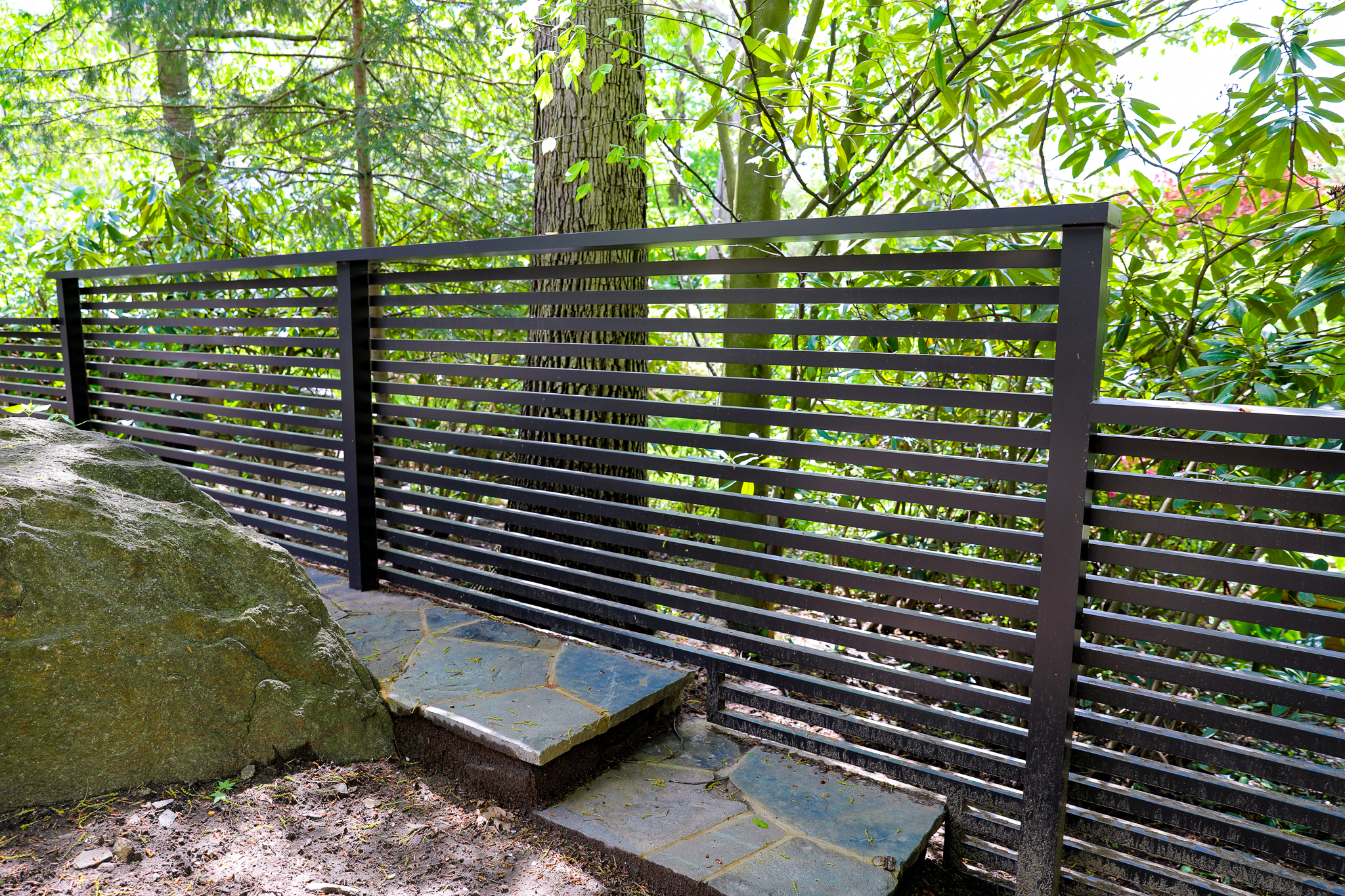
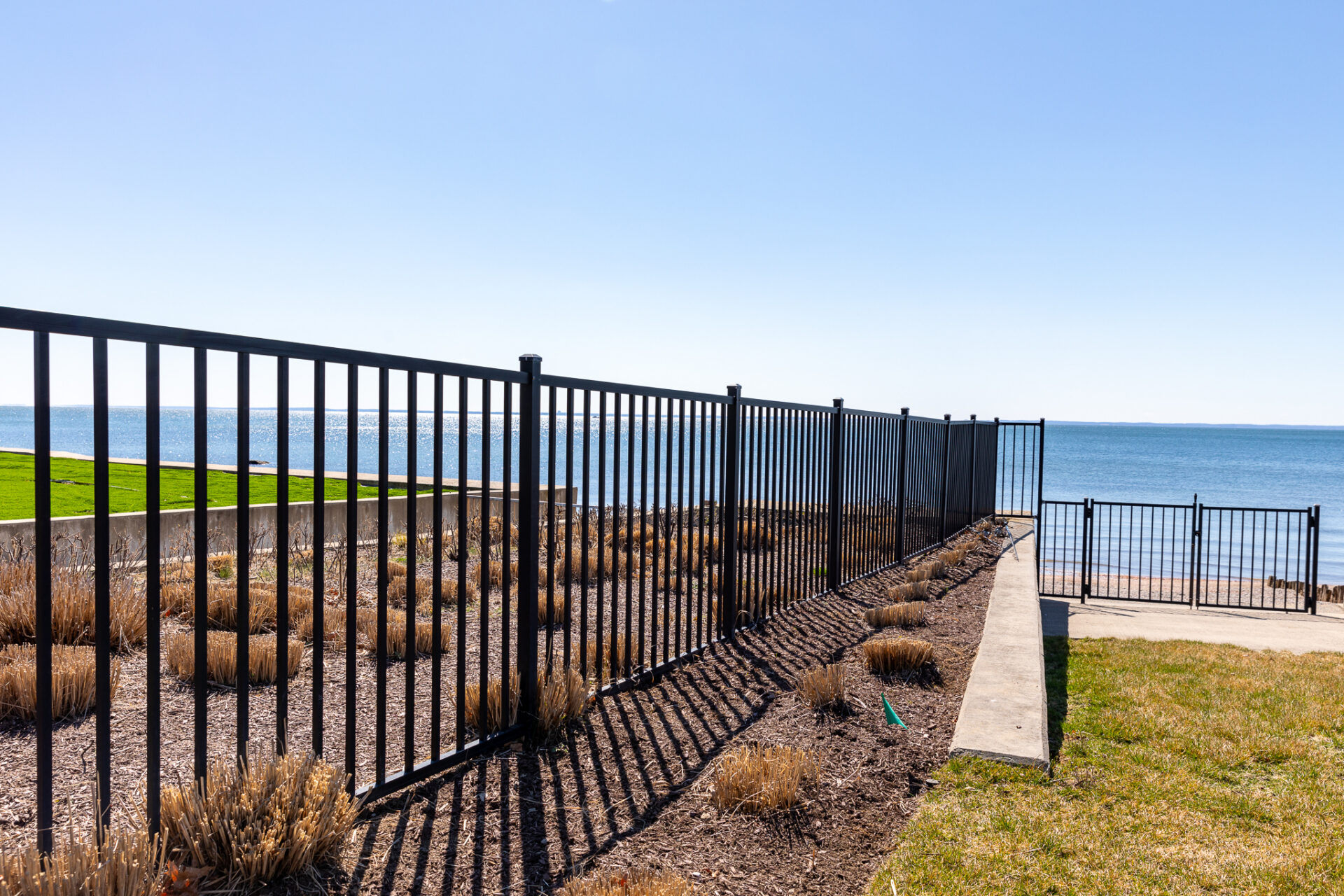
Metal fencing brings something to the table that few other materials can match: structural integrity that holds up across decades. Steel, aluminum, and wrought iron are built to withstand serious weather, heavy use, and the kind of long-term exposure that would challenge lesser materials. For property owners who want a fence that genuinely lasts, metal is a compelling long-term investment.
The lifecycle story of a metal fence is largely written at installation. Finish quality is the key variable. A properly powder-coated or galvanized fence creates a protective barrier that holds up against moisture, oxidation, and the elements for years with relatively little intervention.
Understanding surface treatments is one of the most important conversations to have before commissioning metalwork. Knowing what coating was applied, how it was prepared, and what touch-up looks like over time gives owners a clear picture of what to expect. The right finish at the start means far less remediation down the road.
A few metal fence types worth knowing:
- Aluminum is naturally resistant to corrosion and is very light. It doesn’t need much maintenance and keeps its finish for a long time.
- Wrought iron is a classic choice that lasts a long time. If you touch it up every now and then, it can last much longer than most other materials.
- Steel is very strong and can be shaped in many ways. When properly coated to protect it from moisture, it makes a great ornamental and security fence.
Metal may be the easiest fencing material to understand when it comes to its lifecycle value. The initial cost is often higher than wood, but the ongoing cost is fairly low. For property owners who think in decades instead of years, that equation tends to get better and better over time.
Composite and Vinyl: Low Maintenance, Different Profiles
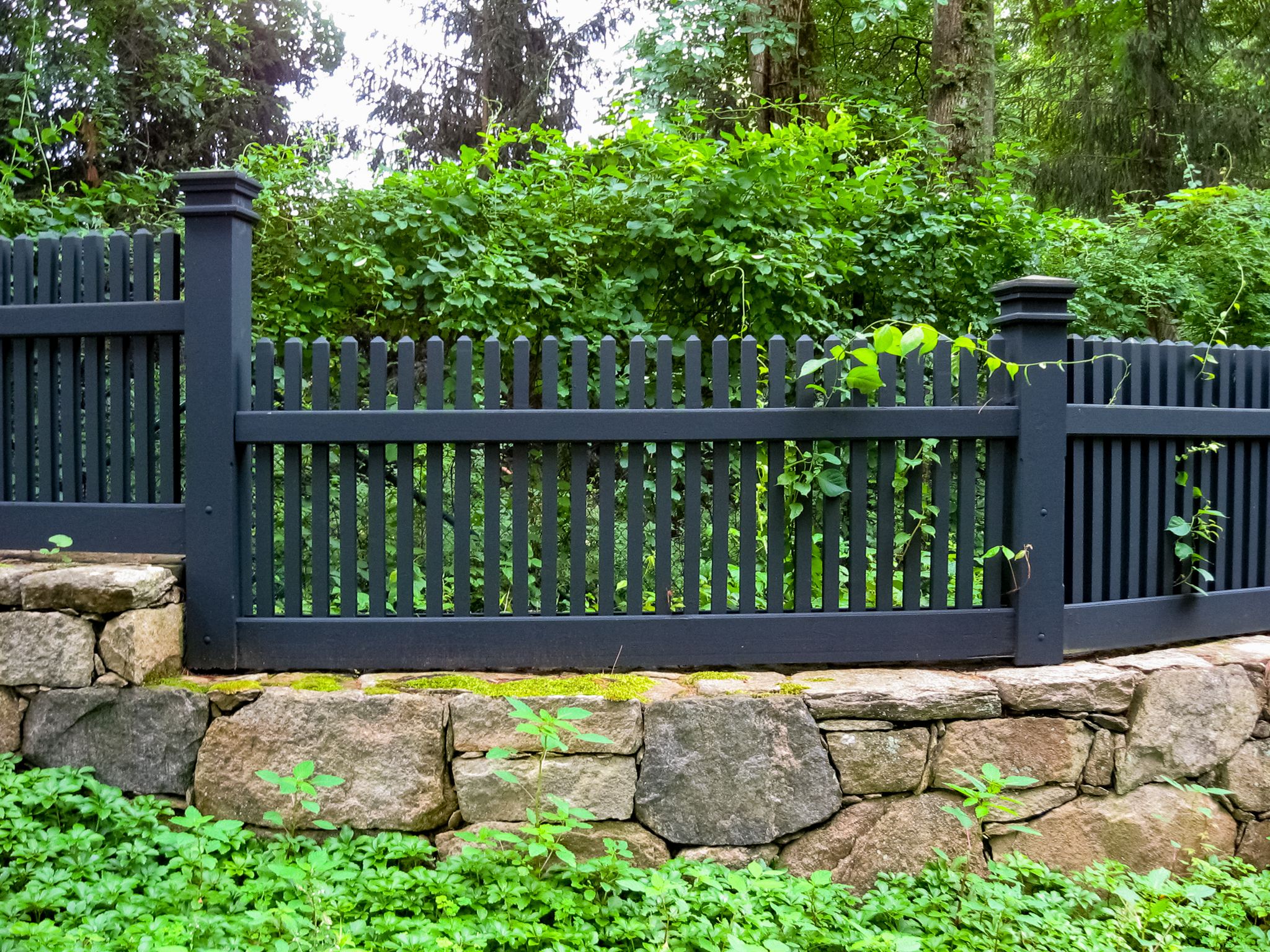
For property owners drawn to low-maintenance fencing, two materials tend to come up in the conversation: composite and PVC/vinyl. They are often grouped together, but they serve different needs and come with different ownership experiences.
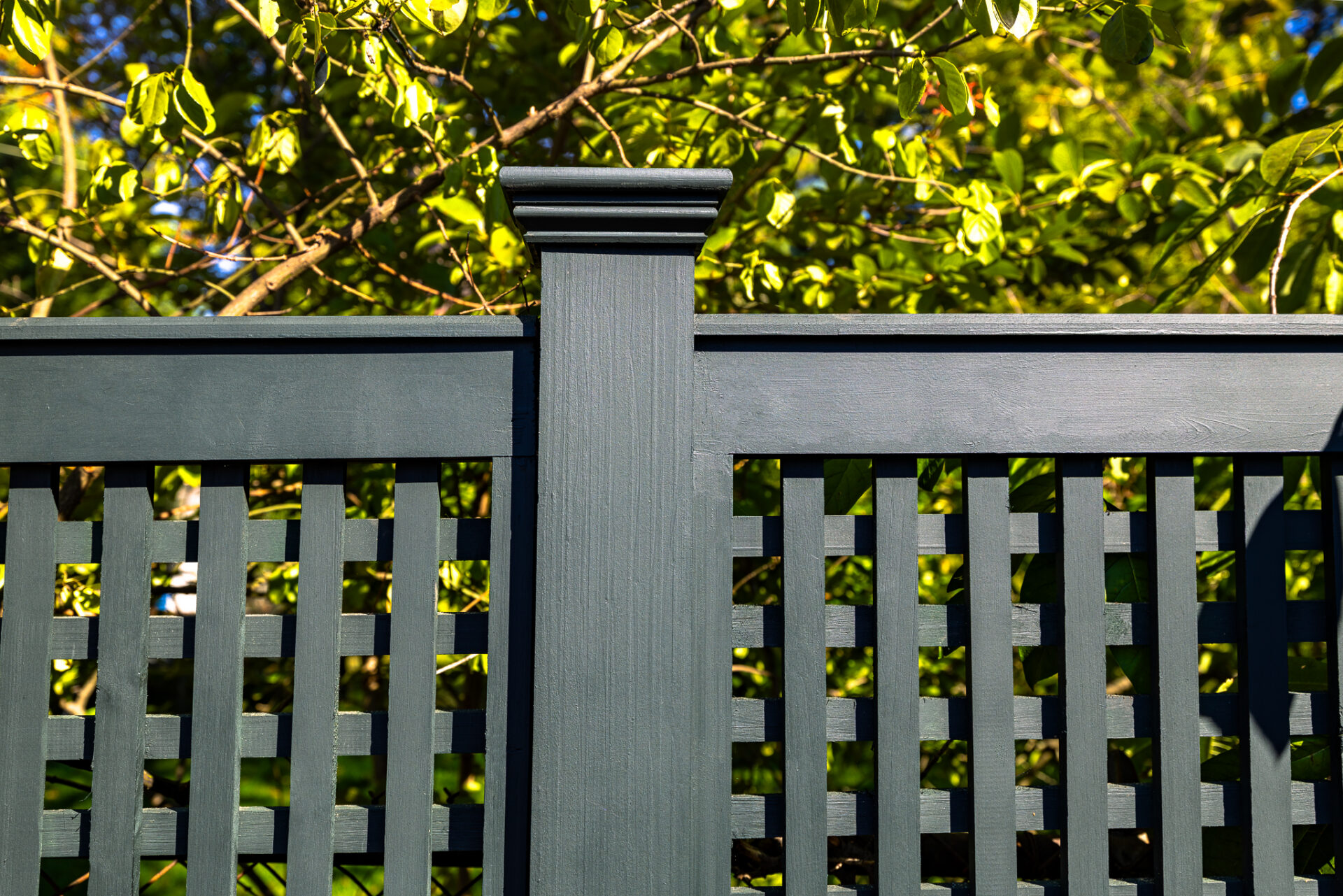
Composite fencing, made from products like Azek, is engineered to mimic the warmth and texture of natural wood while resisting rot, warping, and insect activity. It comes at a higher price point than traditional wood and requires periodic painting. However, the overall maintenance rhythm is considerably lighter, and the structure holds up far better against long-term weathering.
Vinyl and PVC fencing takes a different approach entirely. It is the smooth, uniform fencing you see in many residential yards, and its biggest selling point is simplicity. It requires virtually no maintenance beyond occasional cleaning. The tradeoff is that vinyl comes in prefabricated forms, which limits customization options compared to wood or composite.
Compared to wood, both materials offer a lower long-term maintenance burden. The right choice comes down to priorities, as composite suits owners who want a custom, wood-like aesthetic with durability built in, while vinyl suits those who want an easy, predictable option with minimal upkeep.
Custom Craftsmanship as a Cost-Control Strategy
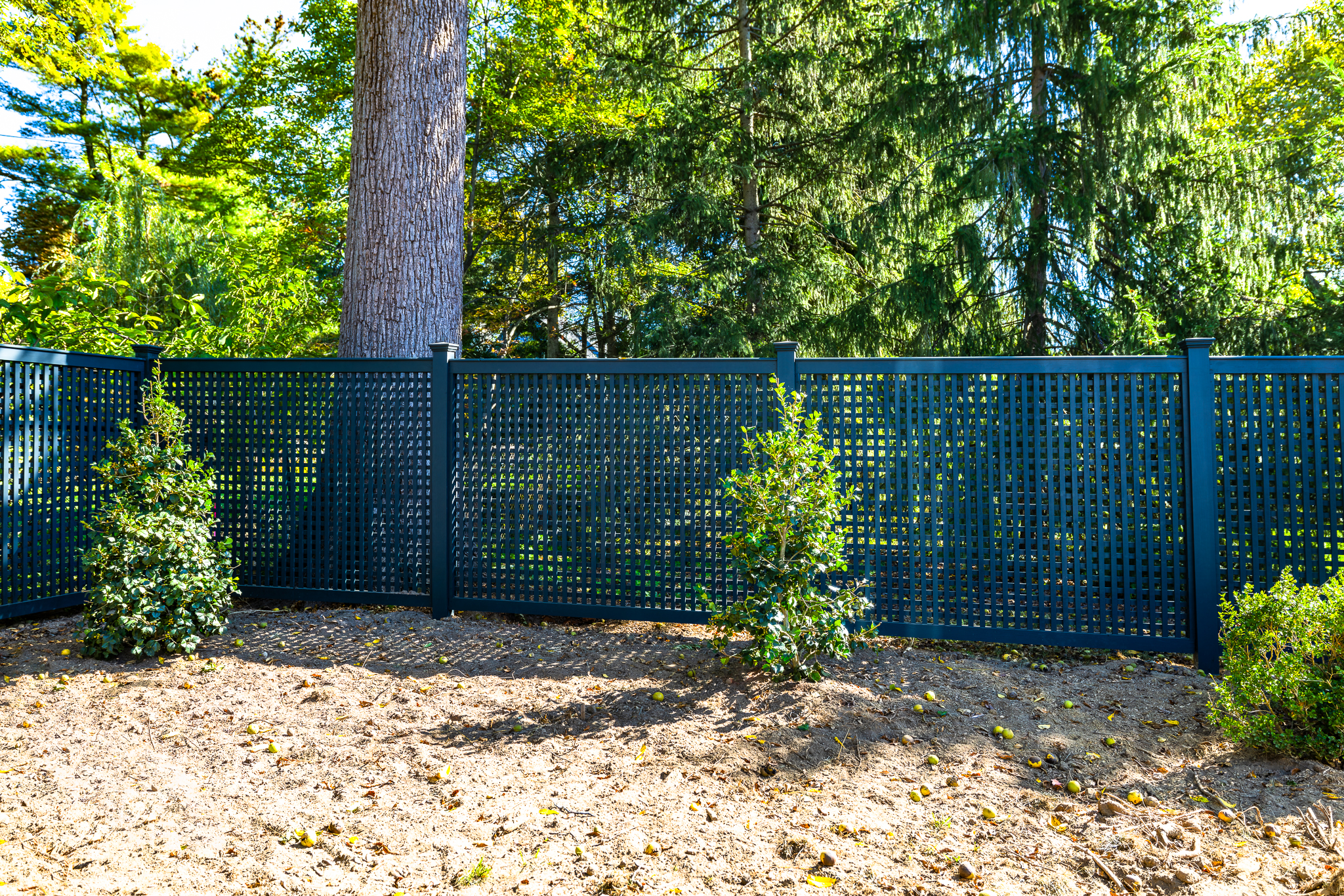
The material is only part of the equation. How a fence is designed, engineered, and installed determines how well that material performs over its lifetime.
Proper post depth, drainage planning, precision joinery, and quality finishing are the details that separate a fence that holds up from one that starts showing its age ahead of schedule. These decisions are made at the beginning of a project, and their impact compounds over years.
Working with a skilled builder means those decisions are made with intention. Garon Fence specializes in custom-designed and built fencing, gates, rails, and outdoor structures crafted to the specific needs of each property. Every project is handled in-house, which means tighter quality control and a direct line between design and execution.
Think in Years, Not Just Today
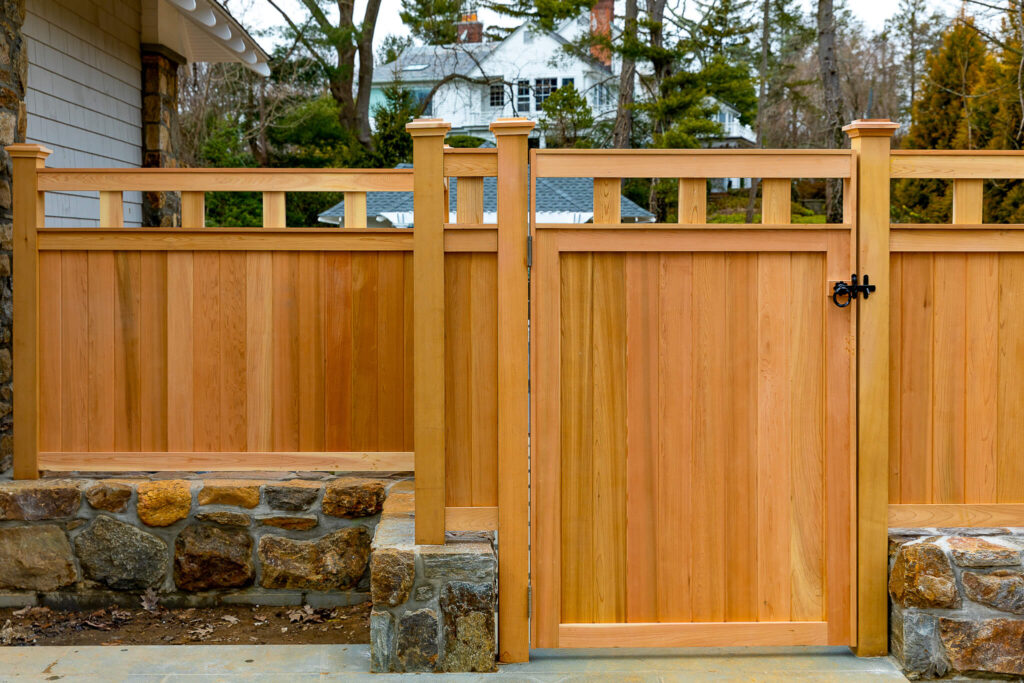
The best fencing decision is rarely the one that looks cheapest on a quote. It is the one that fits your property, your lifestyle, and your long-term goals. Garon Fence works with homeowners, property owners, and businesses throughout the Tri-State area and greater New England to build structures designed to last. For customers outside the region, Garon Fence custom-designs and builds projects for clients across the country, with the capabilities to coordinate delivery wherever the project calls for it. If you are ready to think in terms of decades, we are ready to work for you. Get in touch.

President of Garon Fence, Matt Prato, has transformed the family-owned business into a self-sustaining, independent, and thriving company. He brings expert knowledge in all things involving fencing, gates, and access solutions, shaped by years of hands-on installation and custom fabrication. He is a home improvement and outdoor design expert with decades of experience working on residential projects, and he advises homeowners on practical upgrades for gates, fences, railings, and outdoor installations.