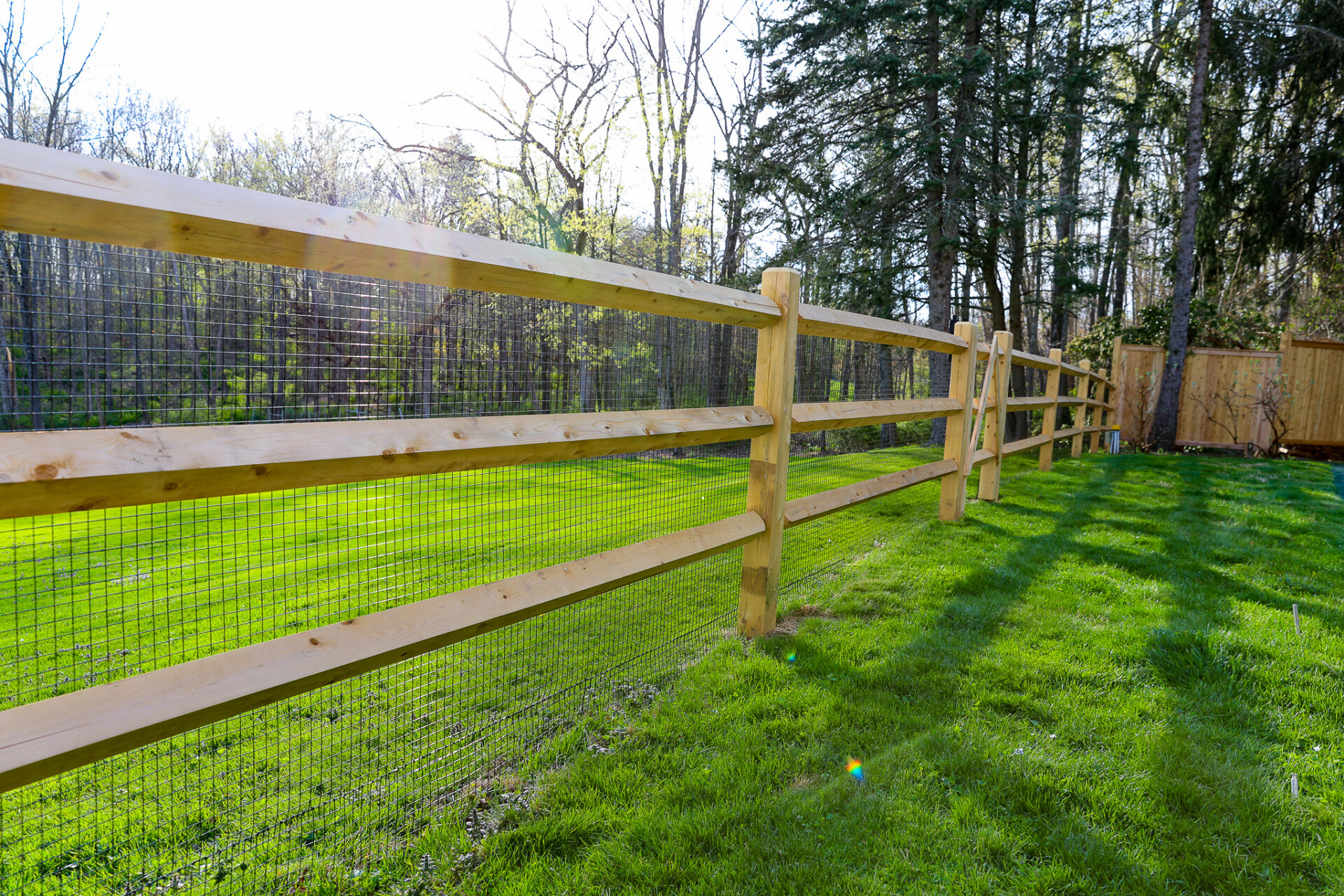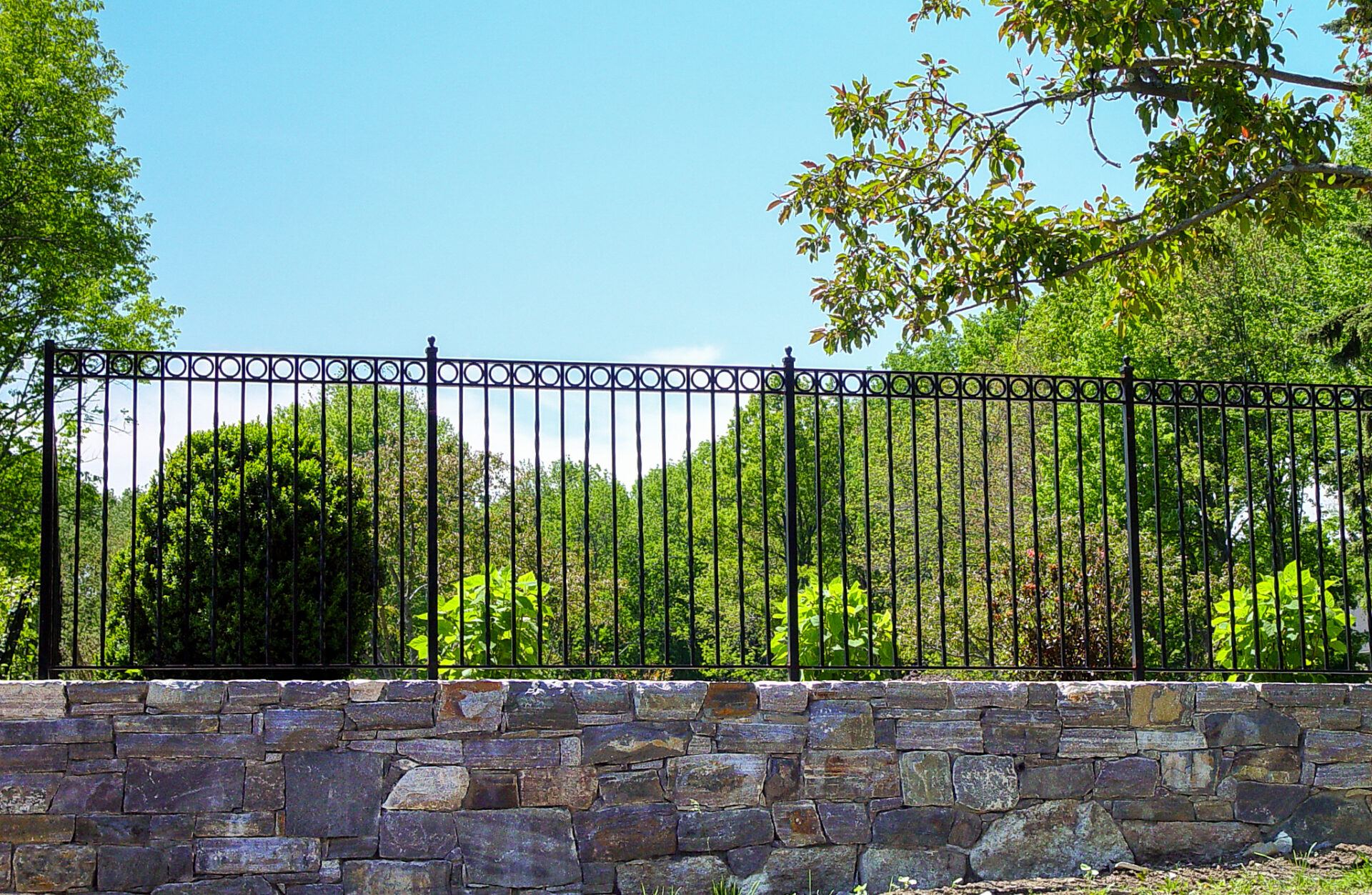
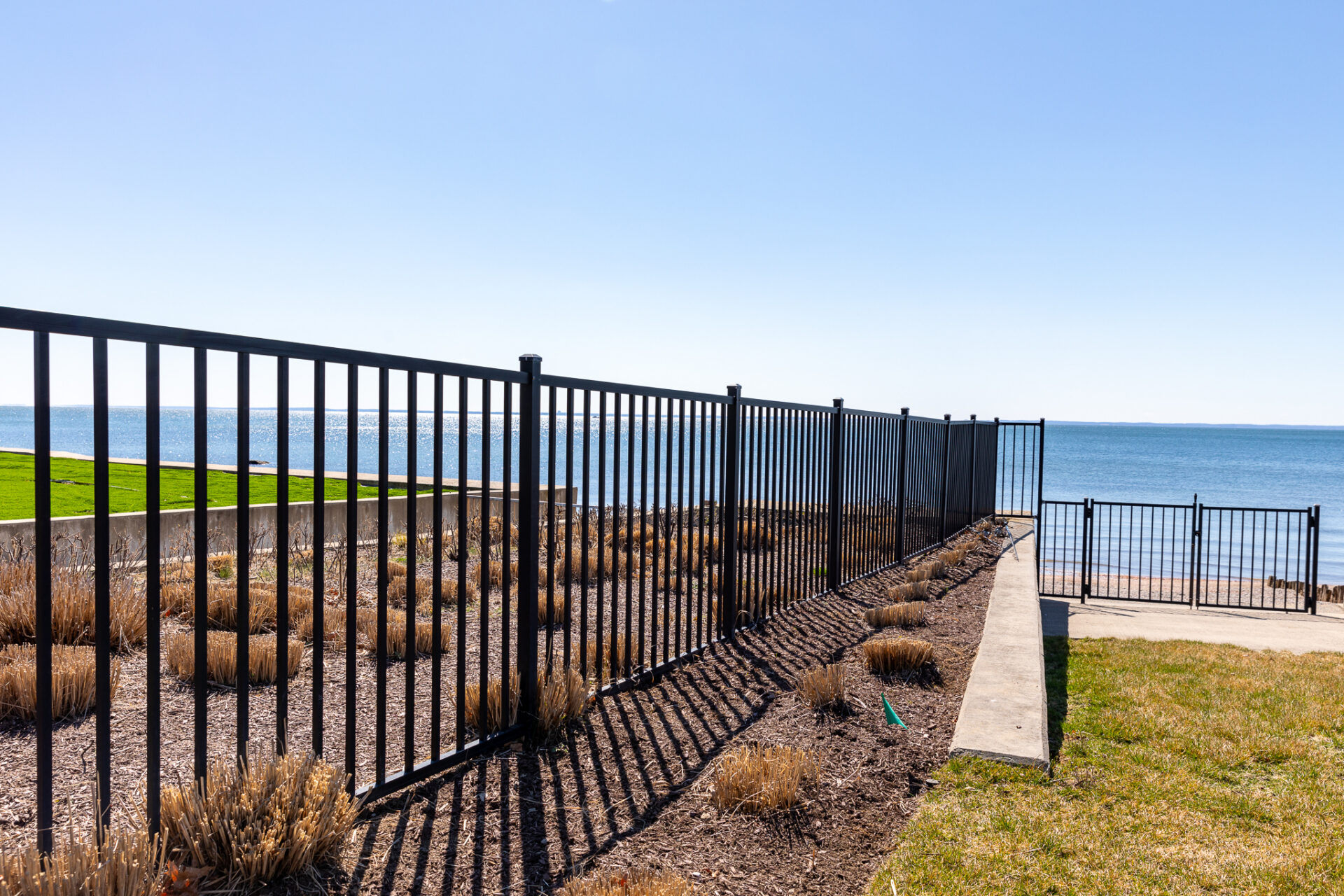
Coastal properties are among the most prized for their stunning panoramic views and refreshing salt-tinged breezes. But residing near the water also comes with its fair share of demanding elements from Mother Nature, and your fence feels every single one of them.
Coastal areas put considerably more stress on outdoor structures. The same elements that make waterfront living so appealing (the wind, moisture, and salty air) slowly but inevitably break down materials that would hold up just fine anywhere else. Choosing the right type of fencing for a coastal property is one of the most important decisions a home or property owner can make, and it starts with understanding what you are actually up against.
Why Coastal Environments are Tough on Fences
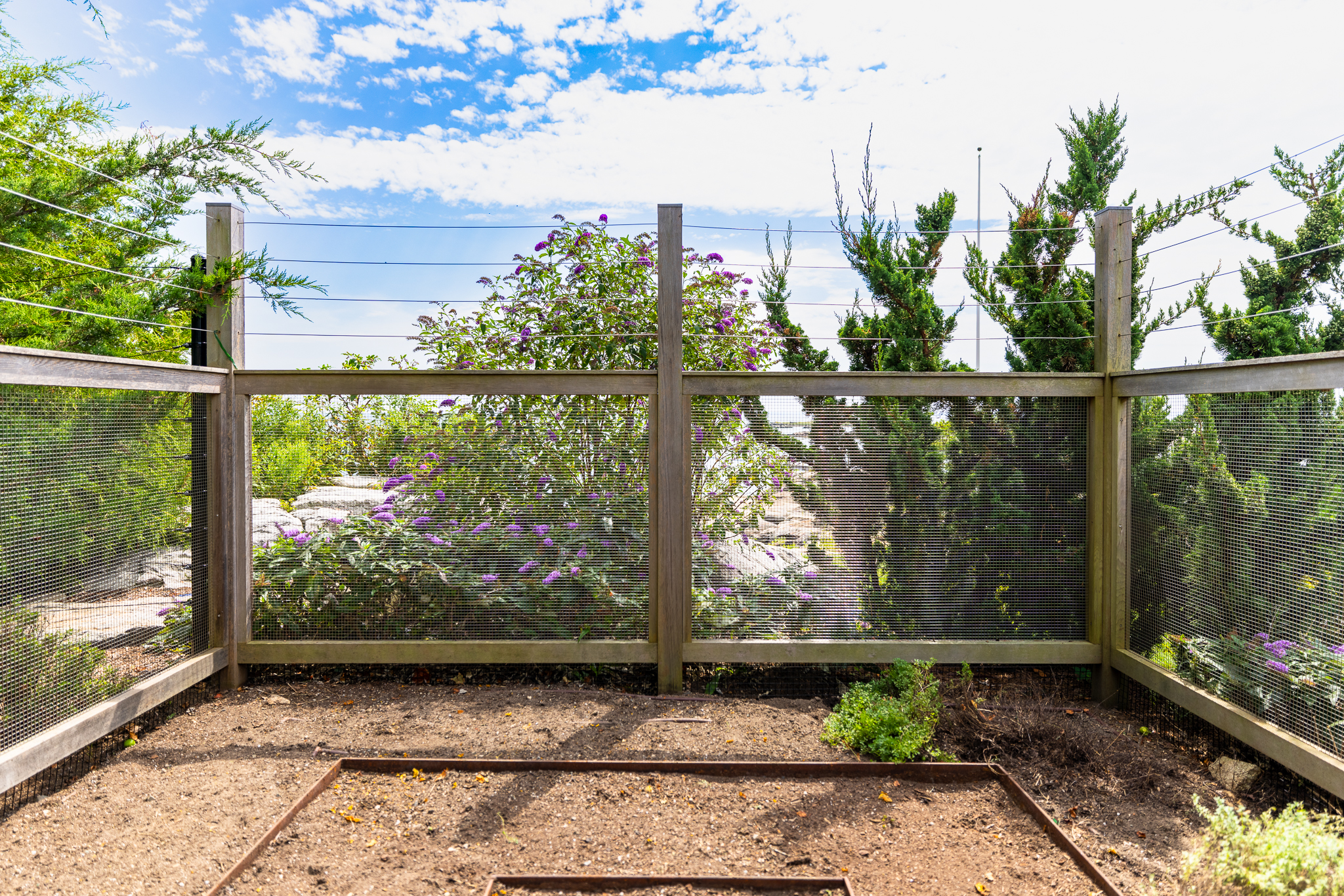
Most fencing materials are made to last decades in ordinary outdoor conditions. But conditions along the coast are anything but ordinary. When you live near the water, these are the things that are working against your fence.
- Salt air and corrosion: Salt is one of the elements that can damage a fence the most. Salt particles from ocean breezes settle on every surface in coastal areas. This speeds up rust and corrosion on metal parts and breaks down wood fibers faster than normal weathering would.
- High winds and storm exposure: Coastal properties are right in the path of some of the strongest winds and extreme weather patterns. Strong, steady winds put a lot of stress on fence panels and posts, and storm seasons can make that stress even worse.
- Excess moisture and humidity: Being close to water means that the humidity stays high almost all the time, which is perfect for mold, mildew, and rot to grow. Even materials that do well with occasional rain can have trouble when the air is always damp.
- Sandy and shifting soil: Sandy coastal soil is typically less dense and less stable than inland soil, making it harder to securely anchor fence posts. If you don’t install them correctly, posts can lean, shift, or become unstable over time due to erosion and soil movement.
- Freezing temperatures and seasonal shifts: The coastal areas of the Northeast and New England are prone to temperature swings, and these changes in the seasons can damage fencing materials. Wood expands and contracts when it freezes and thaws over and over again. This causes cracks, warping, and loose fasteners over time. And because of winter storms and icy moisture, cold seasons put even more stress on coastal fence materials.
Best Coastal Fence Types for Durability and Longevity
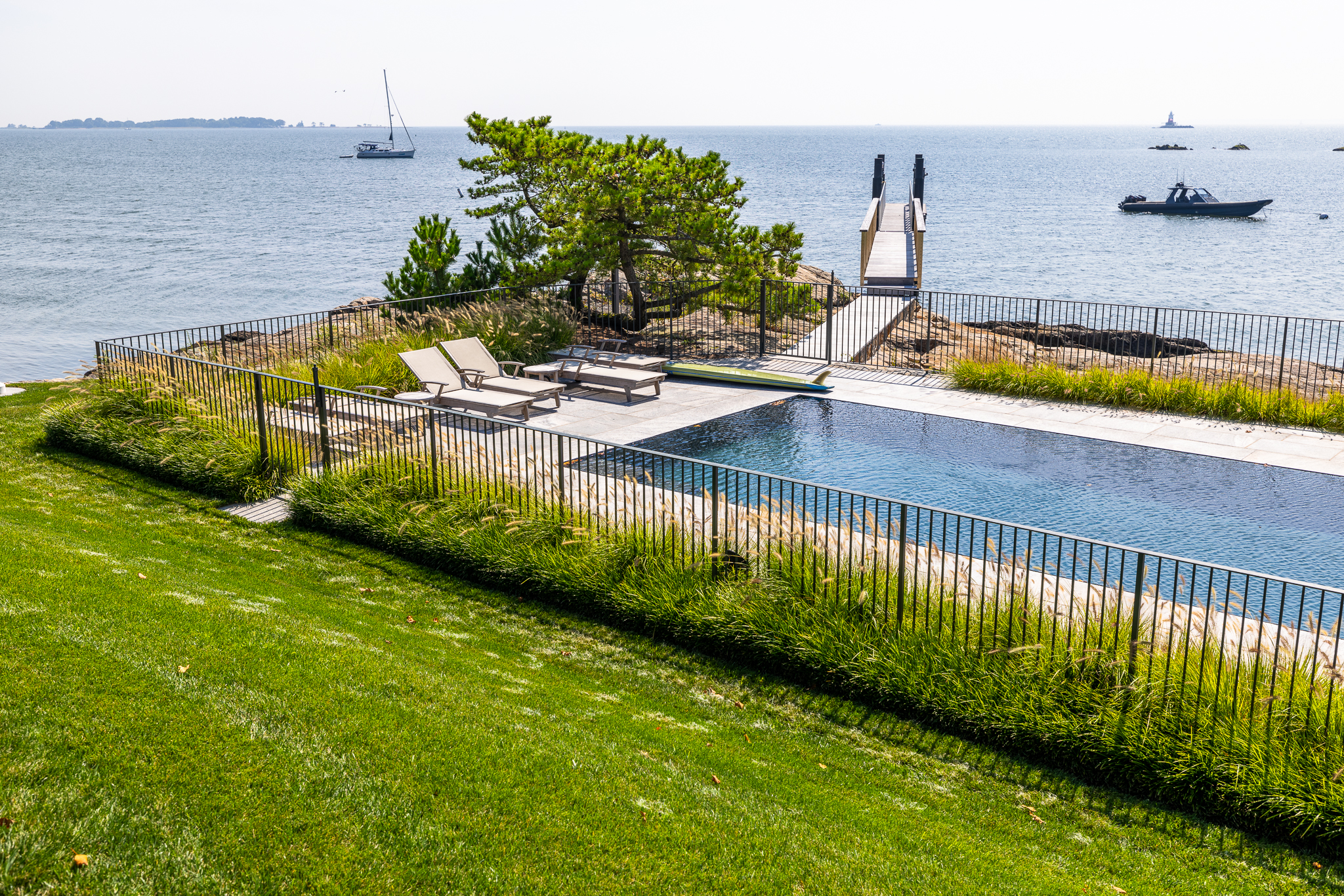
Not all types of fencing can handle the coast. The options below have proven that they can handle tough waterfront conditions. They are all durable, easy to care for, and maintain their look for a long time.
Aluminum Fencing
Aluminum is one of the smartest choices you can make for coastal fencing. It doesn’t rust like steel, iron, or other metal fence types, so it naturally resists the corrosive effects of salt air and constant exposure to moisture. It is also light but strong, so it can handle wind loads easily and doesn’t need much maintenance over time. Aluminum fencing is a hard choice to beat for homeowners who want a clean, polished look that won’t wear out quickly.
Vinyl Fencing
Vinyl and PVC fencing is one of the easiest types to care for in coastal areas because it’s impervious to moisture, salt, and humidity. It doesn’t rot, splinter, or corrode, and it keeps its color and finish much longer than untreated wood would in the same conditions. There are many different styles of vinyl fencing, from classic picket to privacy panels. This gives homeowners a lot of options when it comes to design. A good rinse is usually all it takes to keep a vinyl fence looking new year after year.
Composite Fencing
Composite fencing combines the natural beauty of wood with the strength of synthetic materials, making it a great choice for coastal properties. It’s significantly better at keeping out moisture, rot, and bugs than regular wood, and it can handle the high humidity that coastal climates bring. The look of this fence is very similar to real wood grain and texture, so you can have the look of a classic fence without the maintenance that comes with it. Composite is a great option for homeowners who love the look of wood but want something that will last near the coast.
Cedar Fencing
Cedar is one of the strongest types of wood that grows naturally, and it has some built-in benefits that make it great for use near the coast. Its natural oils help it resist rot, moisture, and bugs better than most other types of wood fencing. If you use the right treatment or stain on a regular basis, a cedar fence can last for many years in areas with salty air. Over time, it also develops a beautiful silver-gray patina that looks great on a coastal property.
Ipe Fencing
Ipe is one of the densest and hardest types of wood on Earth, and it works very well in tough outdoor settings. Because of its natural density, it is very resistant to moisture, rot, bugs, and even fire. This is a rare trait for a wood product. Ipe lasts a long time in coastal areas where other woods would break down quickly. It also develops a rich, deep tone that gives any waterfront property a classy look. It does need to be oiled from time to time to keep its look, but for a natural wood, it doesn’t need much maintenance to keep its structure.
Vinyl-Coated Chain Link
Vinyl-coated chain link may not be as eye-catching as the other options on this list, but it is one of the most useful and cost-effective choices for coastal properties. Salt, moisture, and corrosion would eat through bare metal wire quickly, but the vinyl coating protects it from these elements. It is strong, easy to put up, and can handle storms and strong winds. Chain link fencing works well for practical uses like keeping a yard safe, enclosing a pool area, or marking a boundary, and it doesn’t cost too much.
Maintenance Tips for Coastal Fences
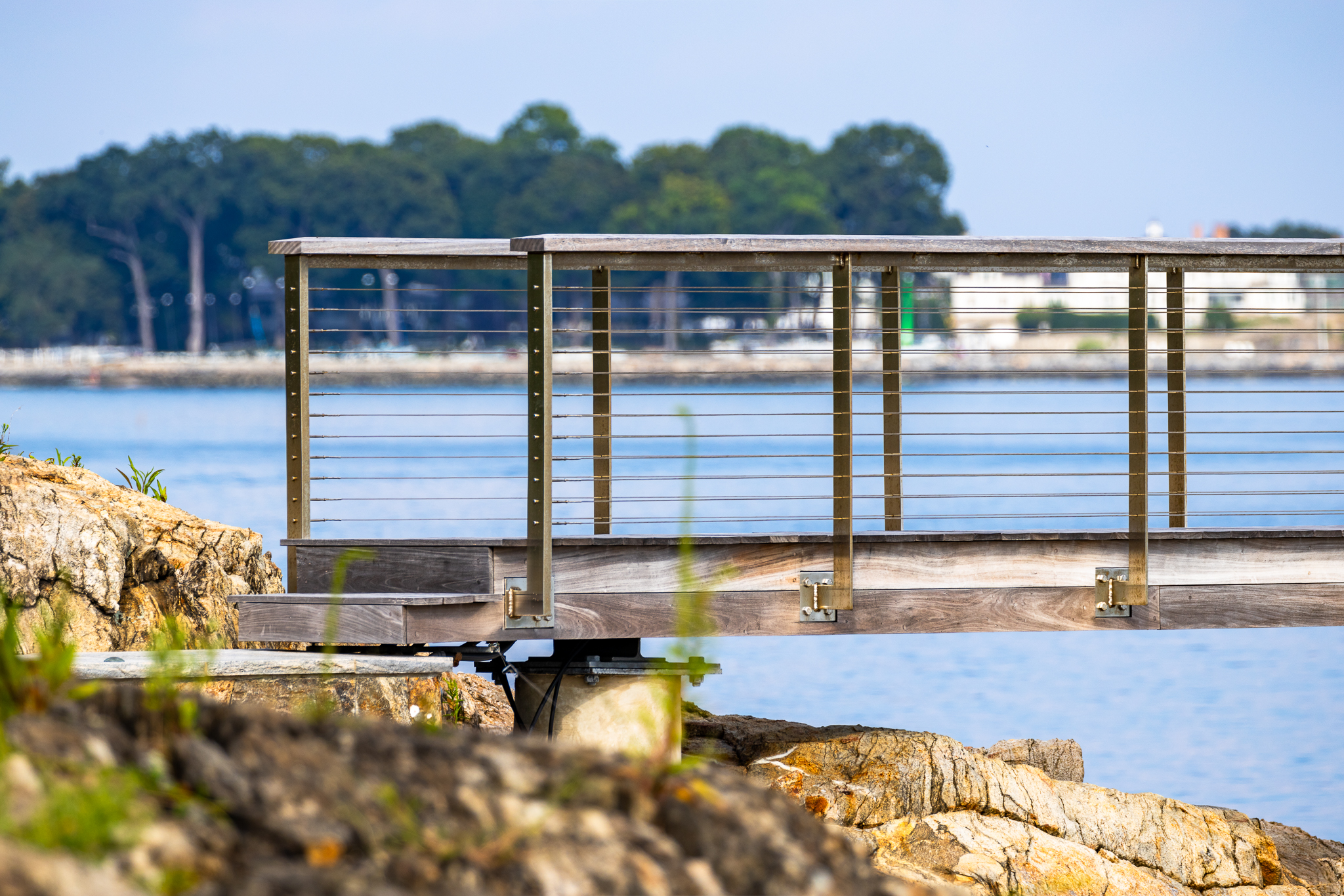
Even the strongest coastal fencing materials need some regular care. A consistent maintenance routine keeps small problems from becoming expensive repairs and makes your fence last longer through every season.
- Rinse often: Salt builds up faster than most people expect. A thorough rinse with clean water every few weeks, especially after storms or strong winds, can help keep the surface from getting damaged and corroded over time.
- Check the hardware and fasteners: In a coastal environment, screws, bolts, hinges, and post anchors are often the first things to wear out. Check all of your hardware at least once a year, and replace anything that is rusty before it damages the structure.
- Reapply sealants and protective coatings: If you have wood or composite fencing near the coast, you need to keep up with sealant and stain applications. Your fence’s first line of defense is its protective coatings. If you let them wear thin, they will break quickly.
- Check the post bases for erosion: Sandy coastal soil changes over time, and the bases of your posts are especially sensitive to ground movement. Check the base of each post every season and fix any leaning or soil loss before it makes the whole fence line less stable.
Custom Coastal Fences Built to Last With Garon Fence
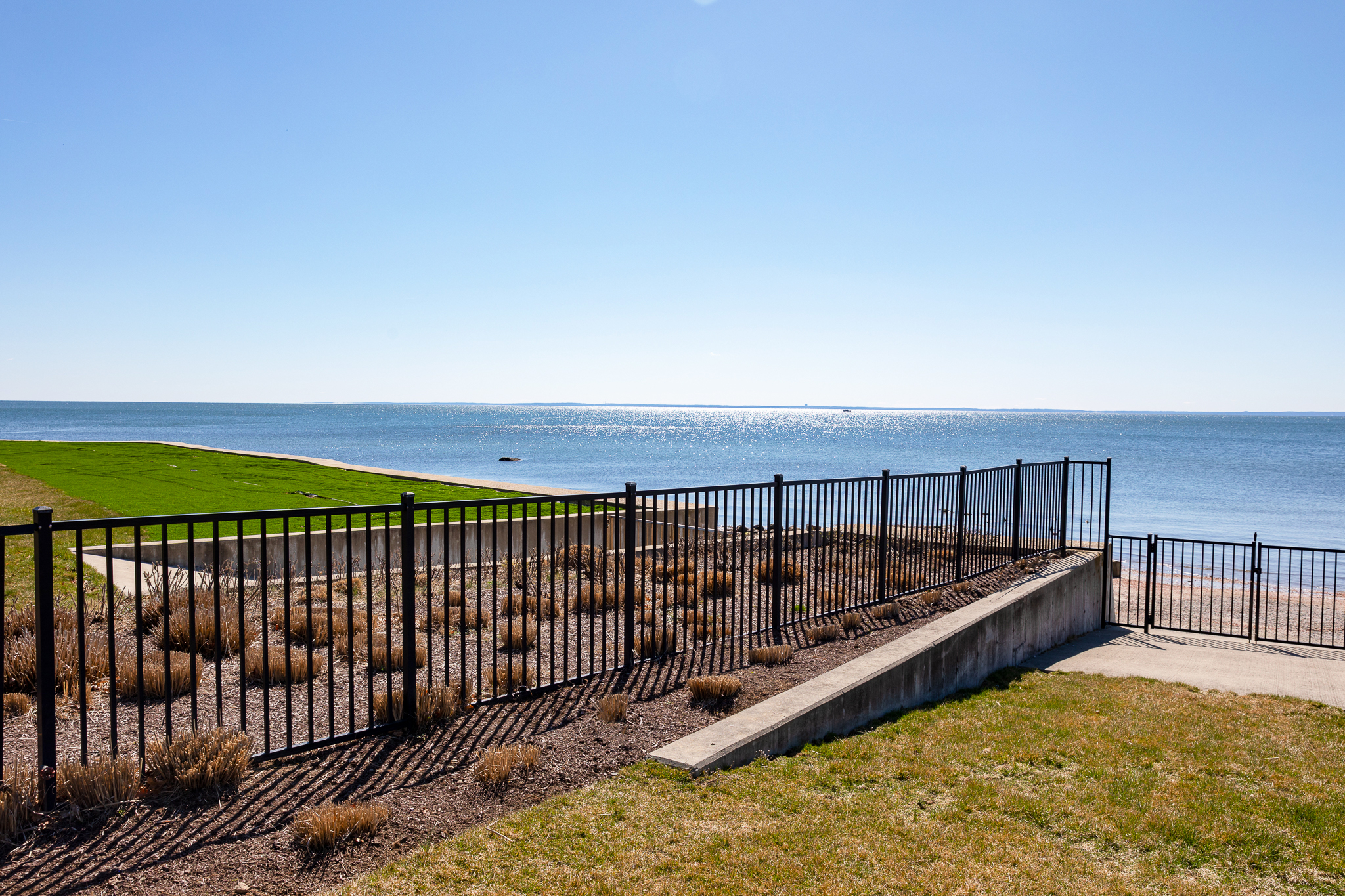
Coastal properties deserve fencing that is as resilient as it is beautiful. At Garon Fence, we design and build custom fences engineered for the specific demands of waterfront and coastal environments, using materials and craftsmanship chosen to stand up to whatever the elements bring. Serving homeowners throughout the Tri-State area and greater New England, our team manages every detail in-house from design through installation. Ready to protect and elevate your coastal property? Reach out to Garon Fence today.

President of Garon Fence, Matt Prato, has transformed the family-owned business into a self-sustaining, independent, and thriving company. He brings expert knowledge in all things involving fencing, gates, and access solutions, shaped by years of hands-on installation and custom fabrication. He is a home improvement and outdoor design expert with decades of experience working on residential projects, and he advises homeowners on practical upgrades for gates, fences, railings, and outdoor installations.