When it comes to picking the best fence for your home, cedar is a classic choice that homeowners, property owners, and landscaping professionals alike love. Cedar fencing has been a popular choice for decades because of its natural beauty, stain versatility, exceptional resilience, and pleasant aroma.
A cedar fence is very adaptable and can fit with any architectural or landscape design style, from a rustic farmhouse to a sleek modern landscape. It also resists rot, insects, and severe weather, making it an excellent option for equine and farm fencing. Cedar fencing can be built to provide privacy and style without harsh chemicals. It’s a great way to define and elevate your outdoor spaces.
In this complete guide, we’ll cover everything you need to know about cedar fencing, including the different styles and types available, design ideas, practical uses, and long-term benefits.
What are the Benefits of Cedar Fencing?
So, what makes cedar worth the money? Cedar has considerable performance benefits that make it stand out from other fencing materials, in addition to its natural beauty.
Natural Rot and Decay Resistance
Cedar has natural preservatives in the form of protective compounds and aromatic oils. These keep it from rotting when it gets wet or when fungi grow on it, so it doesn’t need strong chemicals. This means that your fence will stay strong even when it rains, gets humid, or the seasons change, and you won’t have to use harmful preservatives.
Built-In Insect Repellent
Scientists have shown that the natural oils in cedar keep common pests like termites, ants, beetles, cockroaches, and firebrats away. Studies show that cedar wood is very repellent to these kinds of insects. The more surface area it has, the more repellent it is, which protects your fence investment from expensive insect damage.
Impressive Longevity
Cedar fences are one of the most durable natural wood options available. If you take care of them, they can last several decades. Under the best conditions, untreated cedar is incredibly durable and long-lasting and tends to hold up much longer than pressure-treated pine.
Dimensional Stability
Cedar is less likely to warp, twist, shrink, or split than most other woods because its grain pattern is straight and its density is low. The natural oils help keep the fence’s shape and look over time, even when it gets wet.
No Harsh Chemical Treatments Required
Cedar is safer for homes with kids, pets, or gardens than pressure-treated pine because it doesn’t need chemical preservatives. It is better for the environment because there is no chance that chemicals will leak into the soil or nearby areas.
Where is Cedar Harvested and Processed in the US?
The Pacific Northwest reigns supreme when it comes to cedar production. Western Red Cedar thrives in the coastal regions from southern Alaska down through British Columbia, Washington, and Oregon to northern California, with some of the best specimens found in Washington’s Olympic Peninsula. You’ll also find it growing east of the Cascades into Idaho and Montana along the Continental Divide. Washington leads U.S. production with about 19 billion board feet of available sawtimber, followed by Idaho, Alaska, and Oregon.
Northern White Cedar is mostly grown in the Great Lakes region, where it does well in Michigan (especially the Upper Peninsula), Wisconsin, Minnesota, and even northern Maine, New Hampshire, and Vermont. Incense Cedar grows on the slopes of mountains in California, southern Oregon, and western Nevada, usually at heights between 2,500 and 7,000 feet.
What are Common Types of Cedar Used for Fencing?
Not all cedar is the same, and choosing the ideal kind can greatly affect how long your fence lasts and how it looks. Let’s look at the most common types of cedar used as fence materials.
- Western Red Cedar: This is the most popular and abundant form of cedar for fencing, and both contractors and homeowners agree. It is light but very strong, does not warp easily, and has a beautiful reddish-brown color that, if left untreated, turns into a beautiful silvery-gray patina with age.
- Northern White Cedar: Lighter in color and just as rot-resistant as Western Red, Northern White Cedar works well in many climates and is a great all-around choice.
- Inland Red Cedar: This type has a more rustic, natural look with lighter colors and visible knots that add character.
- Incense Cedar: This cedar is known for its strong construction and distinctive scent. Its heartwood is a light reddish-brown color that takes stains and paints very well. If you want to paint your fence in the future, this can be a good choice.
At Garon Fence, we most commonly use Western Red Cedar for fences and other outdoor projects. It’s the gold standard that stands the test of time in terms of both aesthetic style and longevity.
Other Cedar Considerations
- Grades are important: When assessing your cedar fence options, you’ll see different grades that come with different looks and prices. “Clear” cedar has almost no knots, which gives it a sleek, modern look that goes well with modern homes. “#1 Grade” or “Knotty” cedar embraces natural knots and flaws for a more rustic, natural look, and it’s also less expensive.
- Be careful of fakes: Japanese Cedar is often thin, weak, and likely to break when used normally. Stay away from Chinese “Cedar” as well. It’s often Fir pretending to be cedar, and it won’t give you the strength and natural resistance you’re paying for.
- Here’s the payoff: a Western Red Cedar fence can last 20 to 30 years if it is installed and cared for properly. It will look good and work well for decades, so it’s a smart long-term investment for your property.
Popular Cedar Fence Styles
Cedar’s versatility really shines in its design options. Whether you’re going for sleek and modern or classic and rustic, there’s a cedar fence style to match your vision.
- Horizontal modern: Features long, horizontal planks that create a contemporary, sleek look and can make smaller yards appear wider.
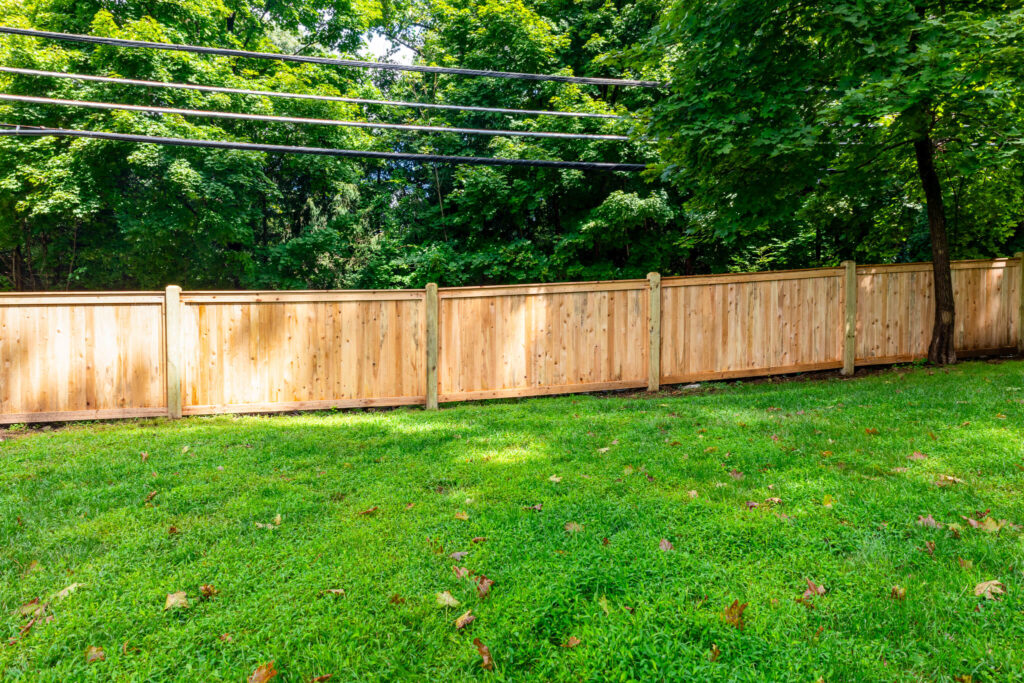
- Board-on-board: A highly private style that uses overlapping vertical boards, ensuring no gaps appear as the wood naturally shrinks or dries over time.
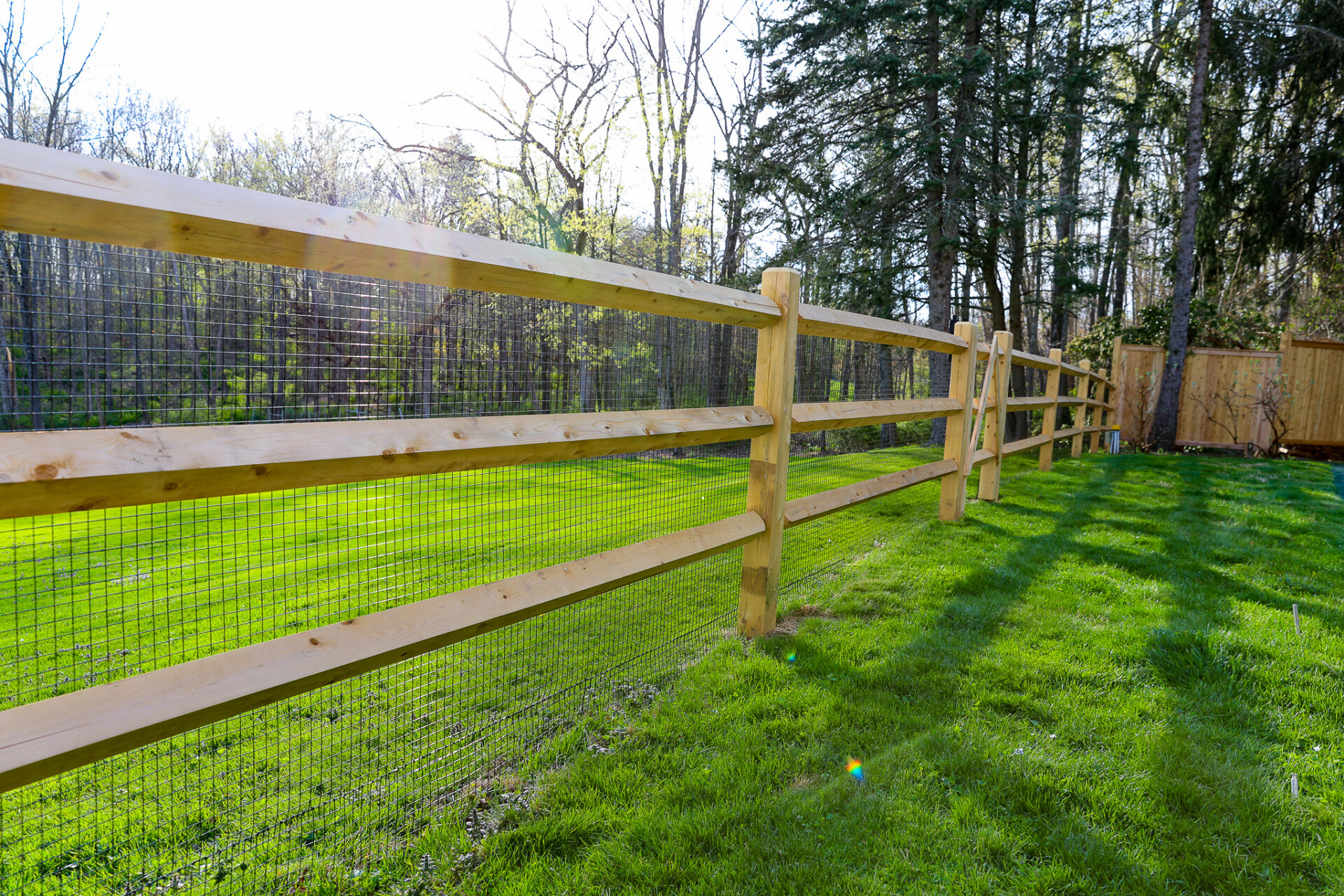
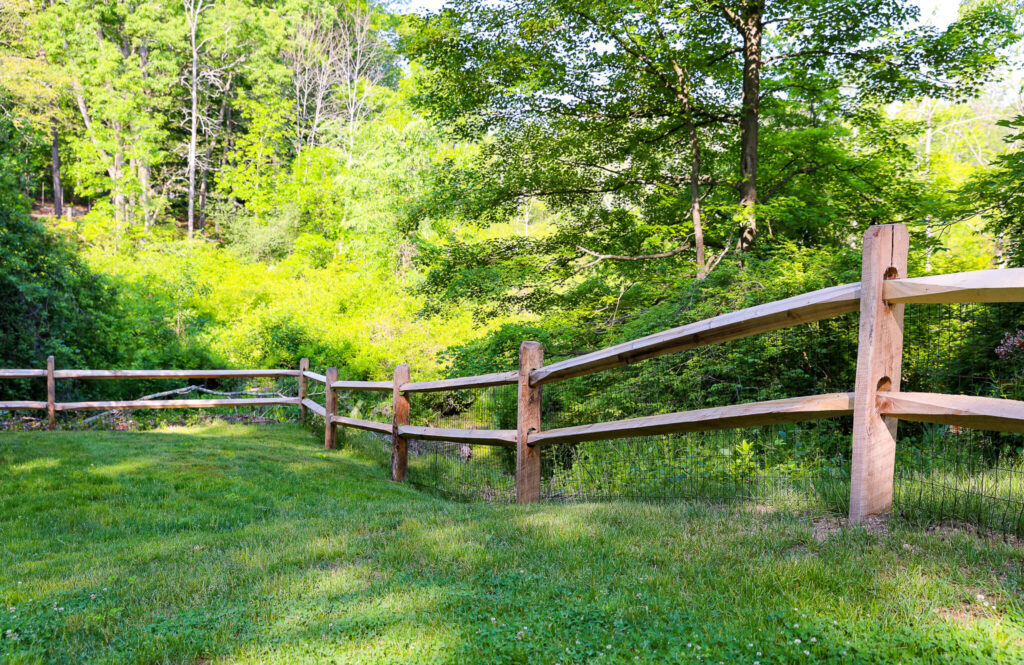
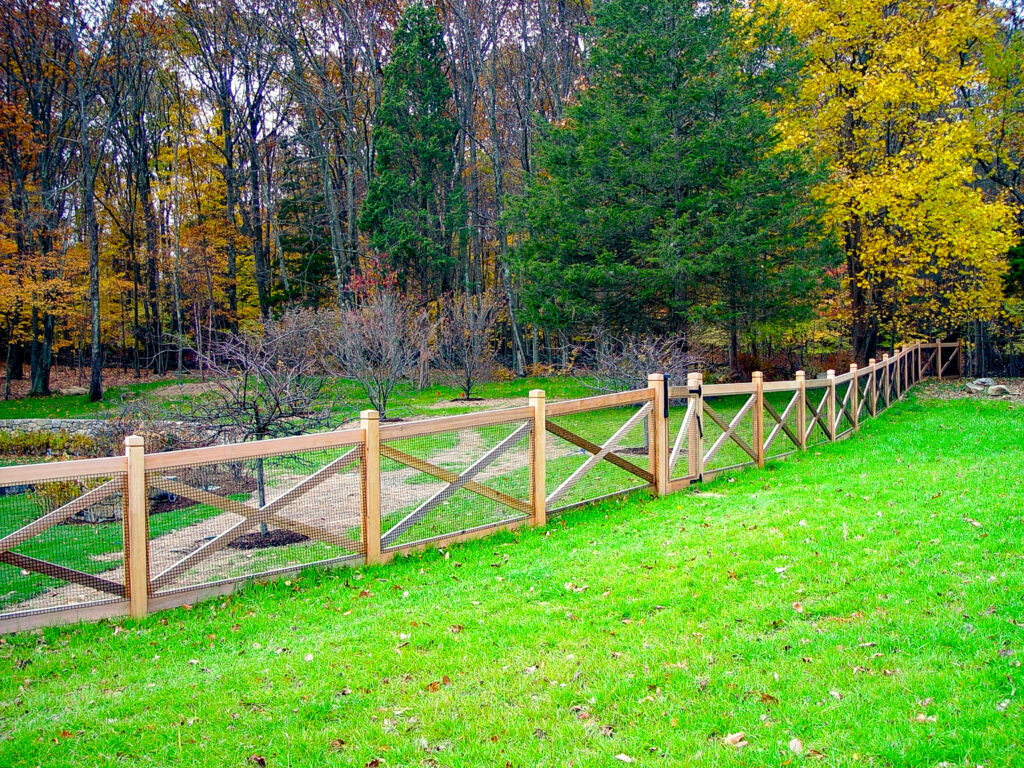
- Post and rail: As one of the most popular cedar fence styles, this is a rustic, open style using two or three horizontal rails, ideal for defining property lines without blocking views or creating that closed-in feeling.
- Shadowbox (board-on-board variation): Alternates pickets on the front and back of the rail, providing that “good neighbor” appeal where both sides look equally attractive, plus it allows for superior airflow.
- Traditional vertical picket: The classic, timeless look with evenly spaced vertical boards, perfect for boundary definition or creating that charming, cottage-style aesthetic.
- Lattice top: Combines a solid privacy fence base with a decorative, open-weave lattice panel at the top for an airy, elegant touch that lets in light.
- Slatted/louvered: Offers a modern, architectural look with intentional gaps between boards for ventilation and a sophisticated, light-filled feel.
- Stockade: Vertical pickets placed tightly together with pointed or rounded tops, delivering maximum privacy with a traditional, fortress-style appearance.
- Good neighbor (double-sided): Built with alternating pickets or rails that create an attractive appearance on both sides, so neighbors share the same pleasant view.
Design Ideas for Practical Applications
Cedar fencing isn’t just for marking property lines; it also creates outdoor spaces that improve your quality of life. Here are some creative ways to use cedar around your home.
Privacy for Outdoor Living
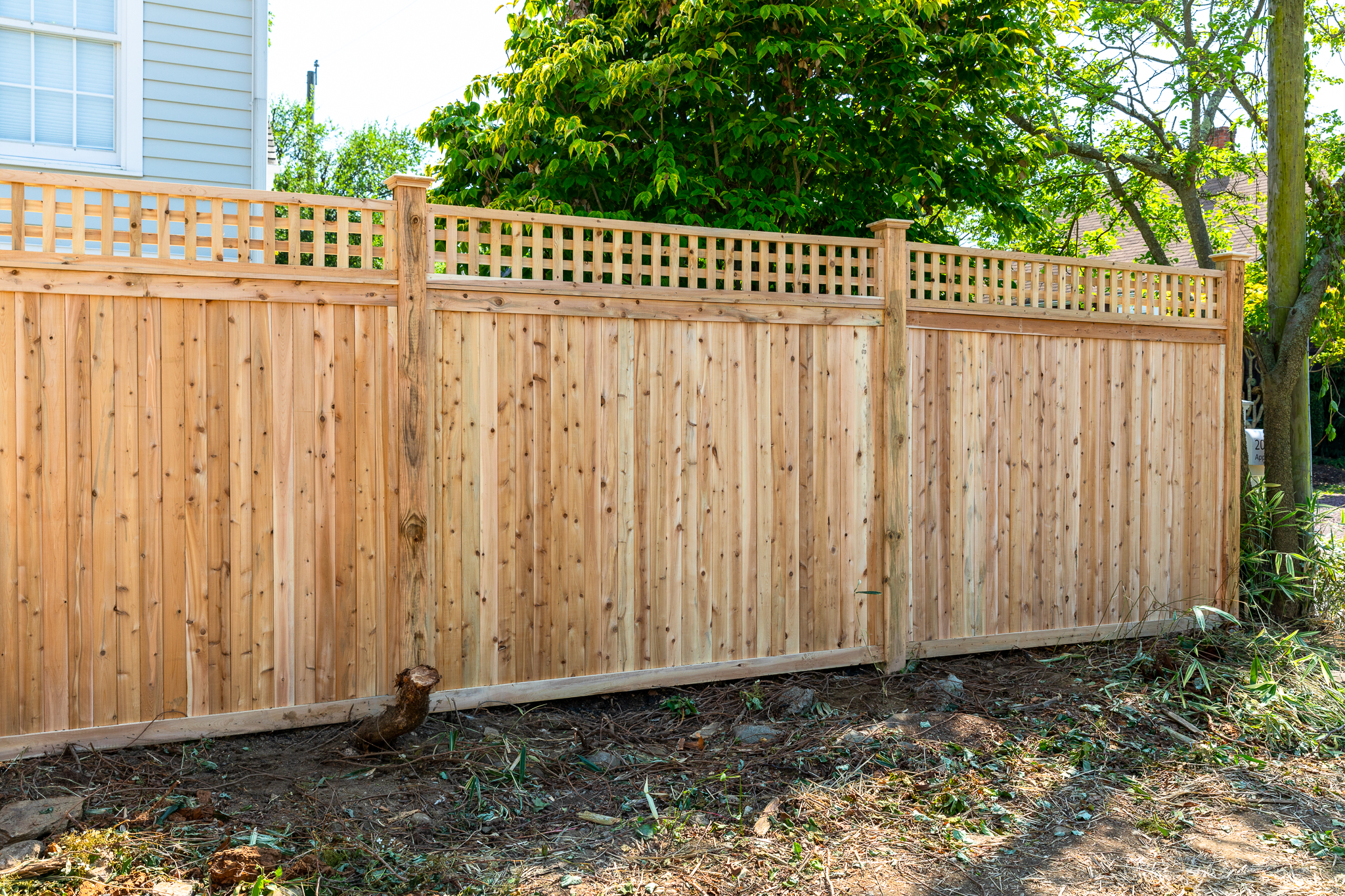
Put up a vertical board-on-board cedar fence around your deck or patio to make it feel like a private retreat in your backyard. The tall, solid panels keep neighbors from seeing in, and the natural wood tones look great with outdoor furniture. If you want privacy without feeling completely boxed in, add a lattice top section. This will let light and air flow while keeping the cozy, private feel that is great for relaxing or entertaining.
Charming Garden Enclosures
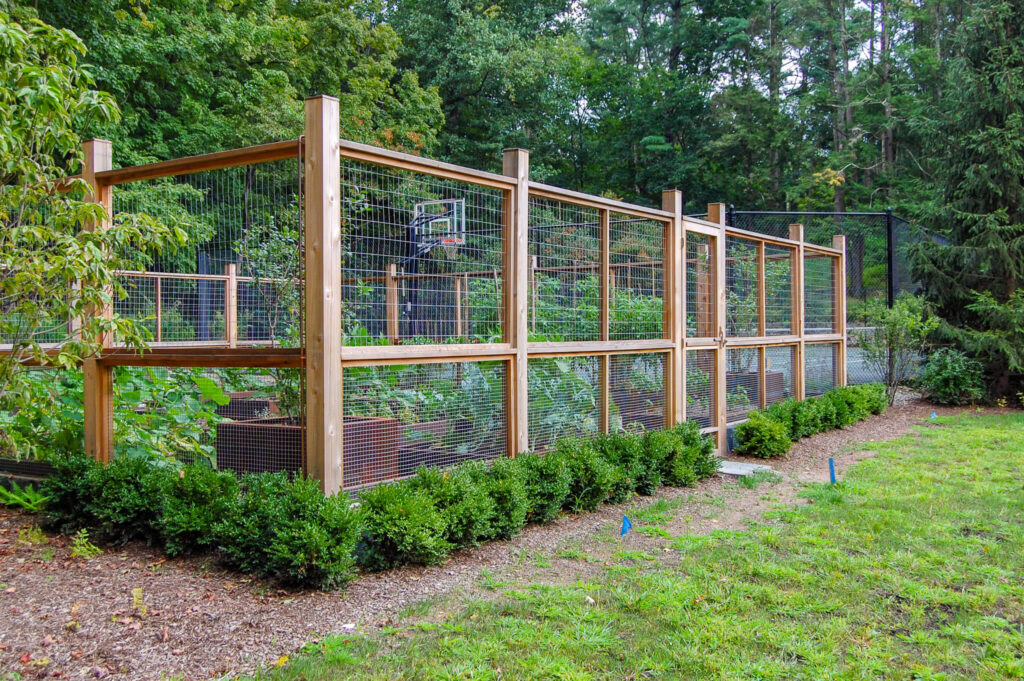
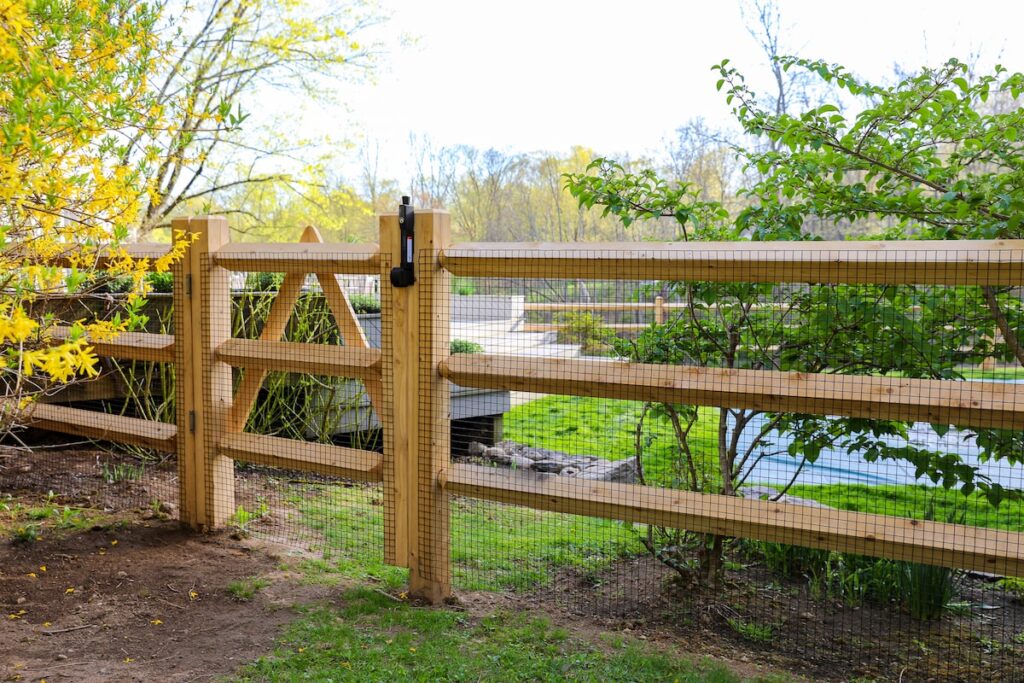
Tall cedar fencing with integrated mesh netting is a practical yet beautiful way to keep pets and wild animals out of your garden while also protecting your flowers and vegetables. You could leave the cedar alone and let it weather into that silvery patina, or you could stain it a different color to make your garden beds stand out as the primary focus of your landscape design.
Safety and Style Around The Backyard Pool Area
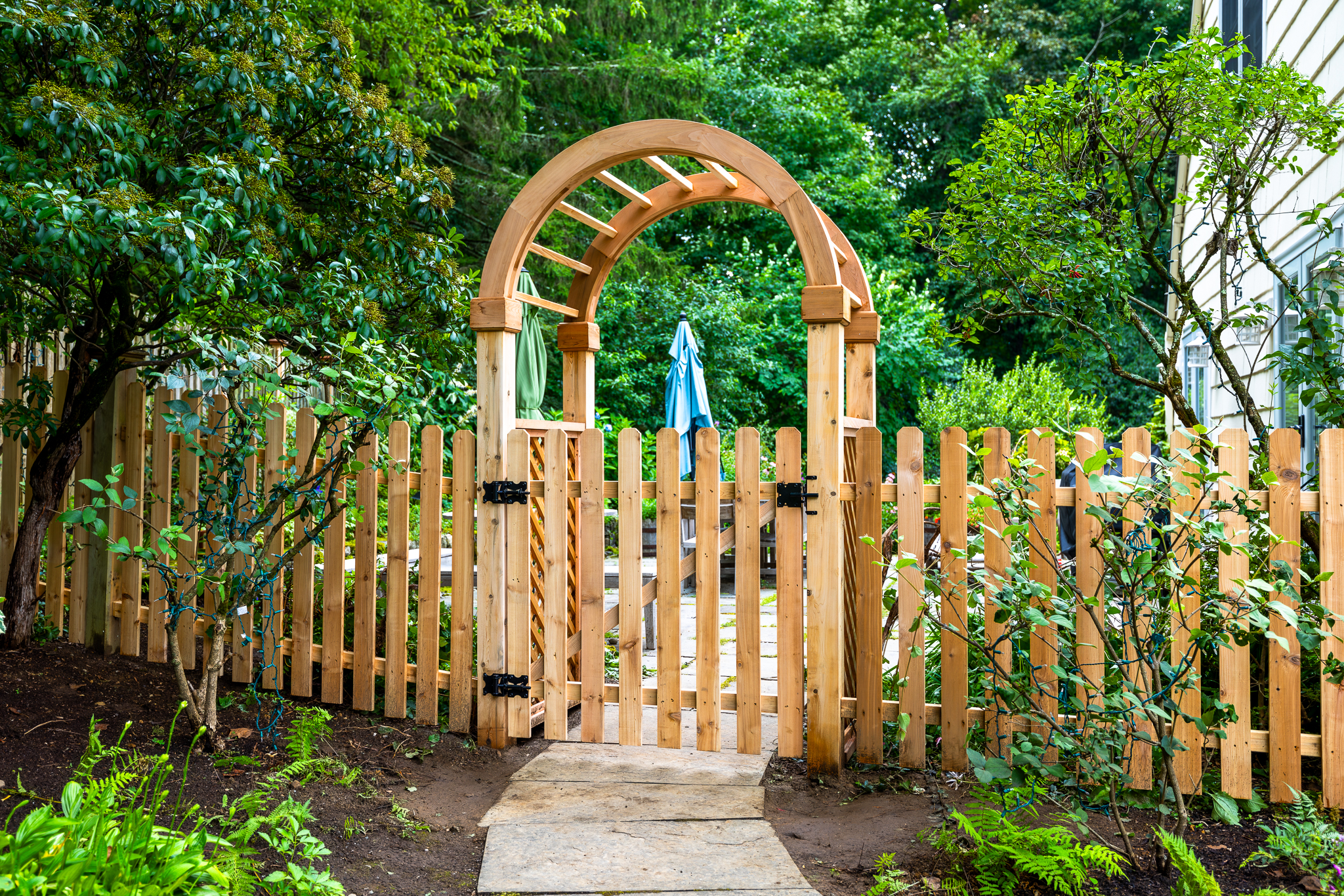
Surround your pool area with a slatted or good neighbor cedar fence that meets local safety codes. This will add style to your pool area and also serve a valuable purpose. Parents can keep an eye on the pool through the gaps in slatted designs, and the cedar smell naturally keeps bugs away, which is great for summer pool parties. Seal the wood to keep it from getting wet and to keep it looking new for years.
Modern Front Yard Statement Pieces
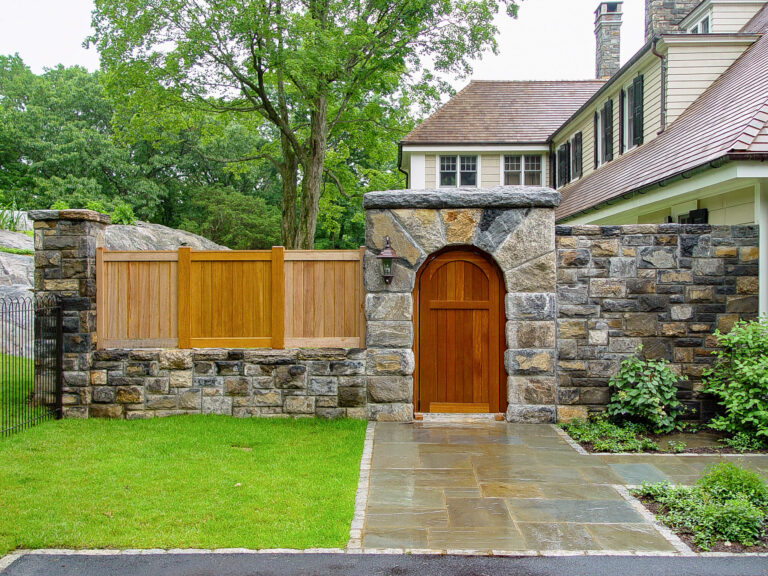
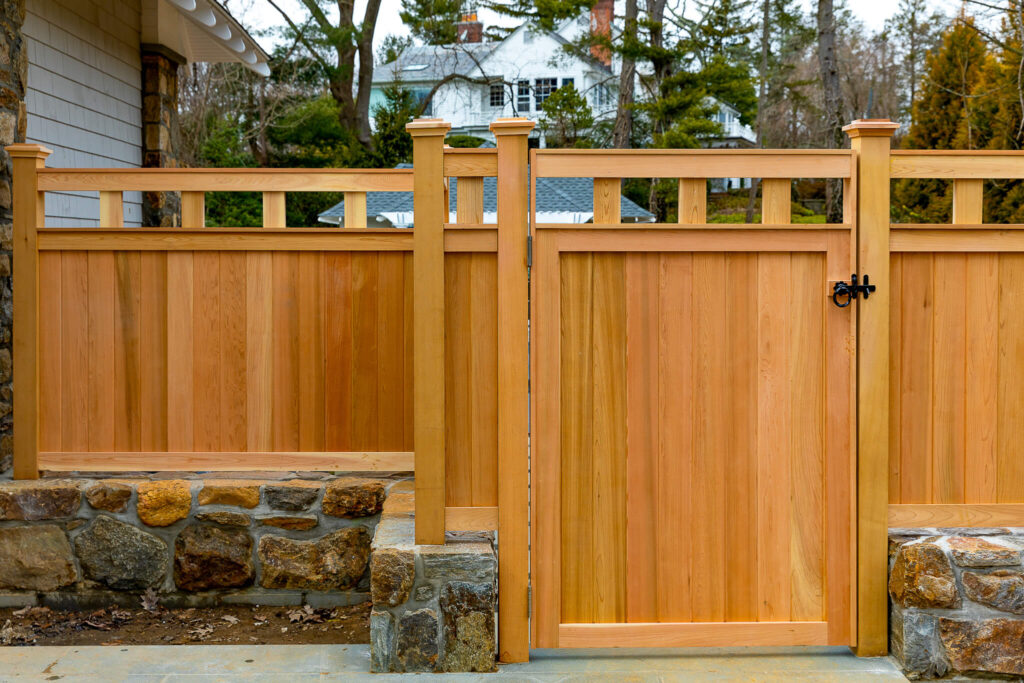
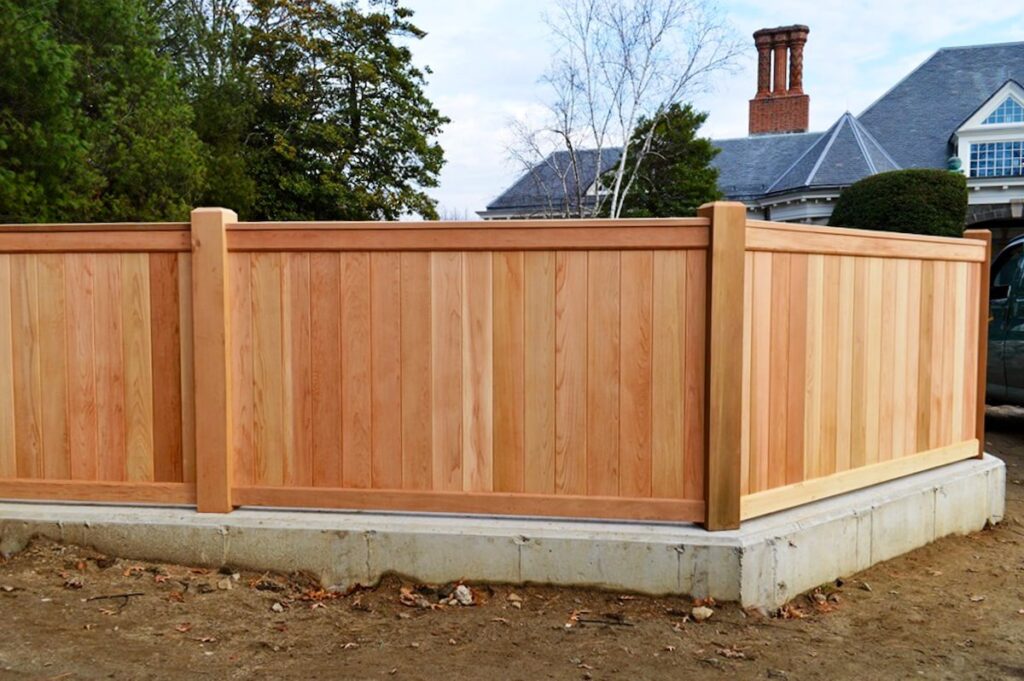
Put up a beautiful vertical cedar fence along the front of your property instead of a standard chain-link or generic vinyl fence. To maintain curb appeal while defining boundaries and adding instant architectural interest, keep it low (3–5 feet) or stack it high, as in the example above with a stone wall base. Vertical planks with clean lines go perfectly with modern homes and can greatly increase the value and curb appeal of your home.
Rustic Property Line Markers
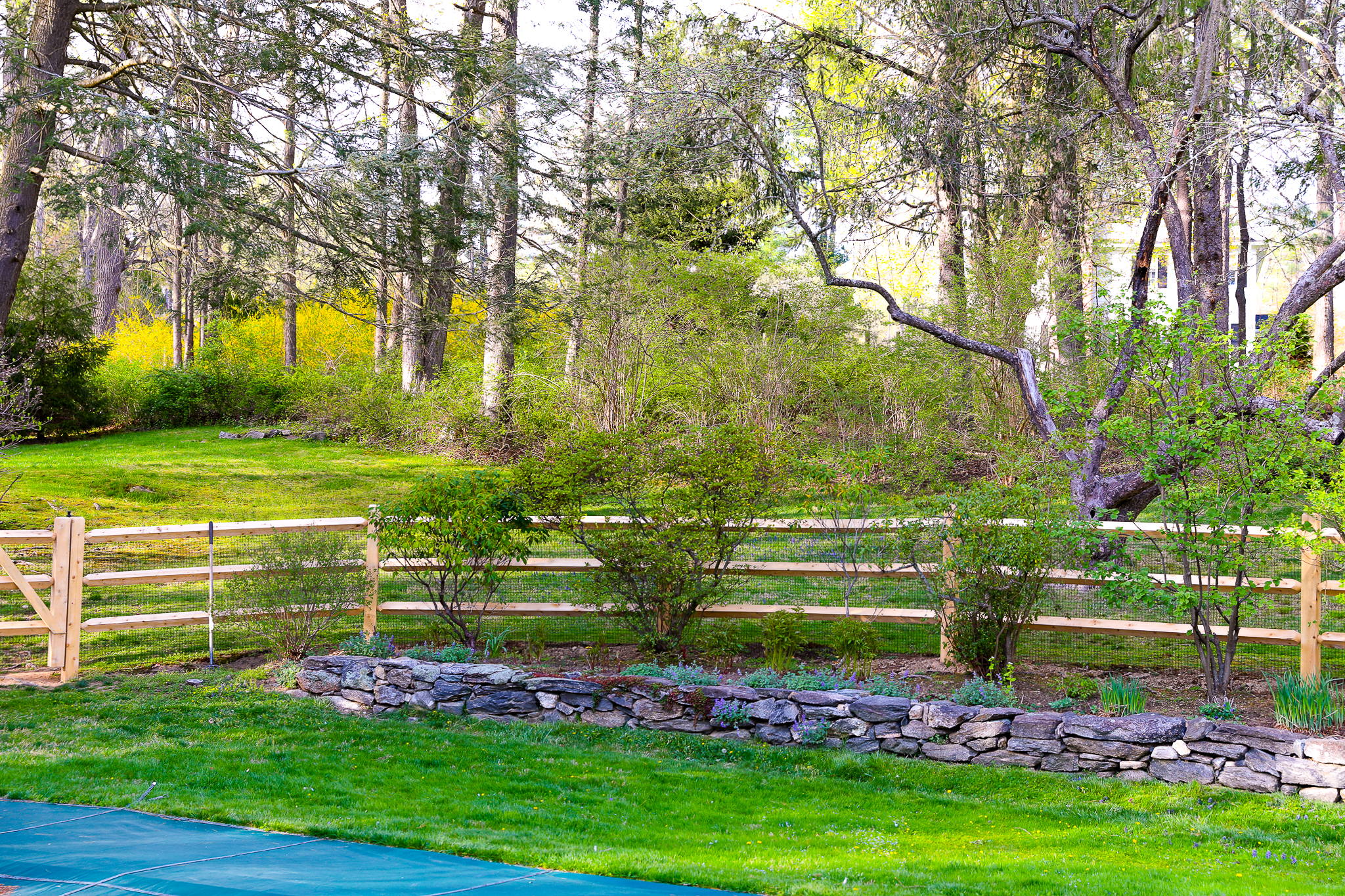
Post and rail fencing and similar styles using cedar give a classic ranch look to larger properties or rural areas. It also clearly marks property lines without blocking beautiful views. It’s great for properties on hills or large plots of land where you want to define the space without feeling enclosed. The open design also makes it more affordable, and the natural cedar tones work well in wooded or natural settings.
Cedar Fence FAQs
How long does a cedar fence typically last?
If you install and properly care for your cedar fence, it can last for several decades. Western Red Cedar is the best for longevity. Even cedar that hasn’t been treated lasts upwards of two decades in the right conditions, which is much longer than pressure-treated pine, which doesn’t last as long on average. Regular care, such as sealing and staining, can help cedar last even longer.
What is the best type of cedar fence?
Many homeowners and professionals alike will agree that Western Red Cedar is the best cedar wood fencing because it lasts a long time, doesn’t warp, and has a beautiful reddish-brown color that looks good as it ages. It really depends on what you need for the style. Board-on-board or shadowbox offers the most privacy, while a modern horizontal fence provides a modern look, and split rail works best for open, rustic boundaries. Clear grade WRC gives you a high-end look without knots, while knotty grades give you a rustic look for less money.
Can cedar be left untreated?
Yes, cedar looks great even without stains or sealers because of its natural oils and protective chemicals. Cedar will naturally change from its original warm tones to a distinguished silvery-gray patina over time if left untreated. Many homeowners prefer this look, but applying a UV-protective sealant helps preserve the original color. It can make the fence last longer by protecting it from moisture and sun damage.
How often do you need to seal a cedar fence?
To keep moisture and UV damage at bay, use a water-repellent sealant or stain every two to three years. You should let the new cedar sit outside for 3 to 6 months before you put on the first coat of finish. This will give the wood time to dry out and accept the finish properly. How often you need to treat it depends on where you live. If the sun is harsher or it rains a lot, you may need to treat it more often.
What are the environmental considerations for a cedar fence?
Cedar is a renewable resource sourced from forests in North America that are managed sustainably. This makes it more environmentally friendly than vinyl or metal. There is no risk of toxic preservatives leaching into your soil or groundwater because it doesn’t require any chemical treatments to keep insects and rot at bay. Cedar is completely biodegradable and can be used as mulch or compost when it is no longer needed. This is not the case with synthetic materials, which can stay in landfills for hundreds of years.
Construct Your Cedar Fence with the Professionals
Ready to bring your cedar fence vision to life? Garon Fence combines decades of experience with expert craftsmanship to deliver stunning, long-lasting cedar fences tailored to your unique needs. We proudly serve local customers throughout the Tri-State area and beyond with full installation services.
For clients across the country, we can collaborate and advise on your project’s design and assembly. We can ship premium cedar fencing materials directly to your location and have your local fencing contractor put it together. Don’t settle for cookie-cutter fencing panels. Partner with professionals who understand cedar inside and out. Contact Garon Fence today to discuss your project and get started on the cedar fence you’ve been dreaming about.

President of Garon Fence, Matt Prato, has transformed the family-owned business into a self-sustaining, independent, and thriving company. He brings expert knowledge in all things involving fencing, gates, and access solutions, shaped by years of hands-on installation and custom fabrication. He is a home improvement and outdoor design expert with decades of experience working on residential projects, and he advises homeowners on practical upgrades for gates, fences, railings, and outdoor installations.