The post and rail fence is one of the most iconic and historic types of fencing. This famous fencing style has been used for hundreds of years to mark property lines and contain animals, and it’s rooted in early American craftsmanship. Post and rail fencing has a distinct design that has stood the test of time for many reasons.
Traditionally, a post and rail fence is defined by its build, using logs or timber that have been split into individual rails, then set into or stacked between upright posts in a simple, open pattern. The design is intentionally simple, creating boundaries without blocking views or making a natural setting feel too busy.
Post and rail fencing adds a warm and real touch to any property, whether you picture a long, open ranch-style fence in the country or a cute fence around a suburban backyard. This guide tells you everything you need to know about your fence, from the different parts and types to how to take care of it and how to make it more useful in creative ways.
What are the Main Parts of Post and Rail Fencing?
While post and rail fencing is incredibly simple in design, its functionality suits many applications.. The design is based on a few key parts that work together to make that classic, open structure.
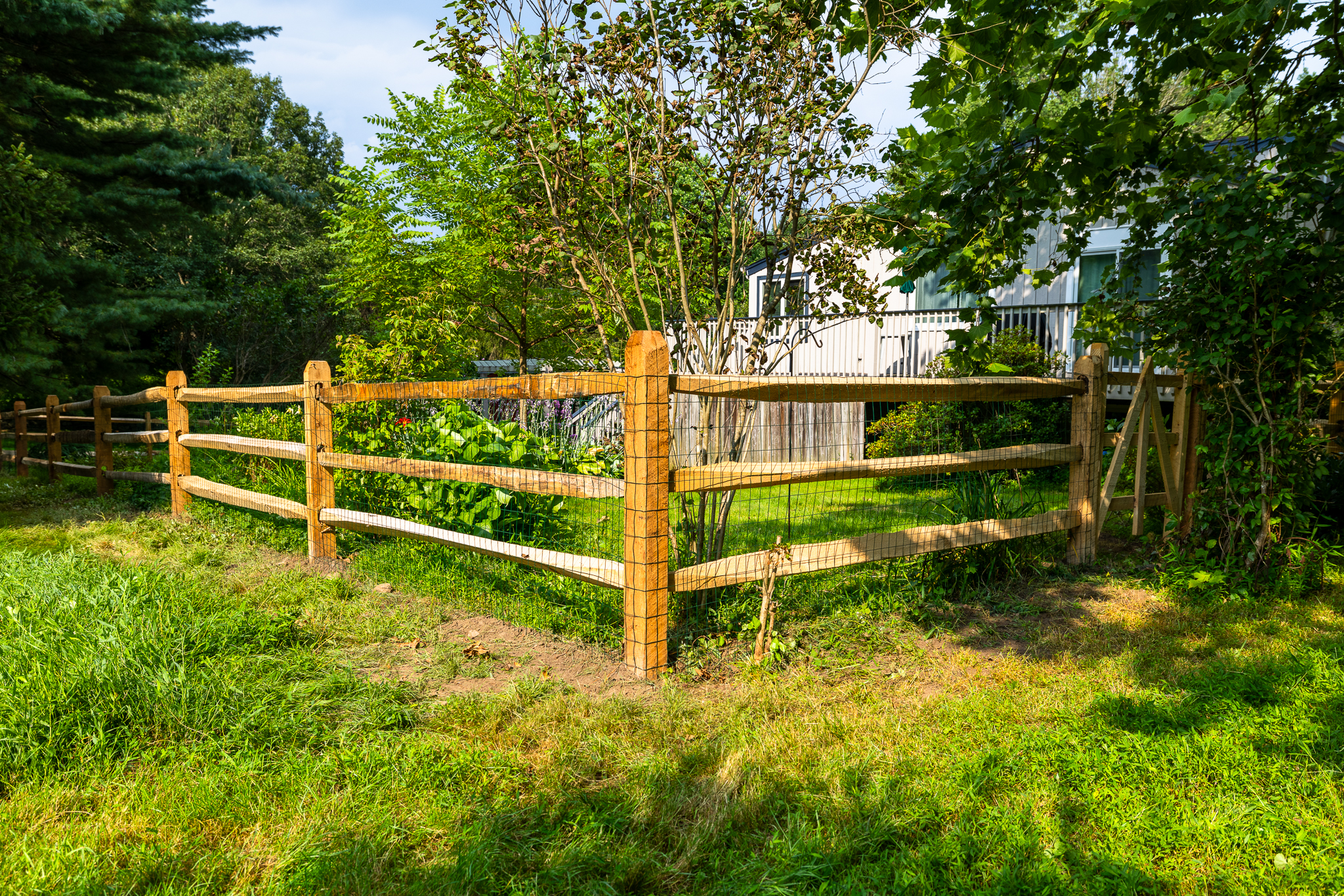
- Posts: The vertical parts of the fence are properly installed into the ground and hold up the whole thing. They are usually the thickest and strongest part of the build.
- Rails: The horizontal boards that connect the posts are what make a post and rail fence what it is. The height and style of the finished fence depend on how many rails are used.
- Post holes or mortises: Depending on the style of the fence, the rails either fit into pre-drilled holes (mortises) in the post or sit in notches with open tops. This is the point where everything in the system comes together.
- End posts and corner posts: These posts are placed in special places to hold the fence in place at the ends and when it changes direction. They give the whole structure its shape and stability.
You might also like: 33 Wood Fence Designs for Inspiration
Different Types of Post and Rail Fencing
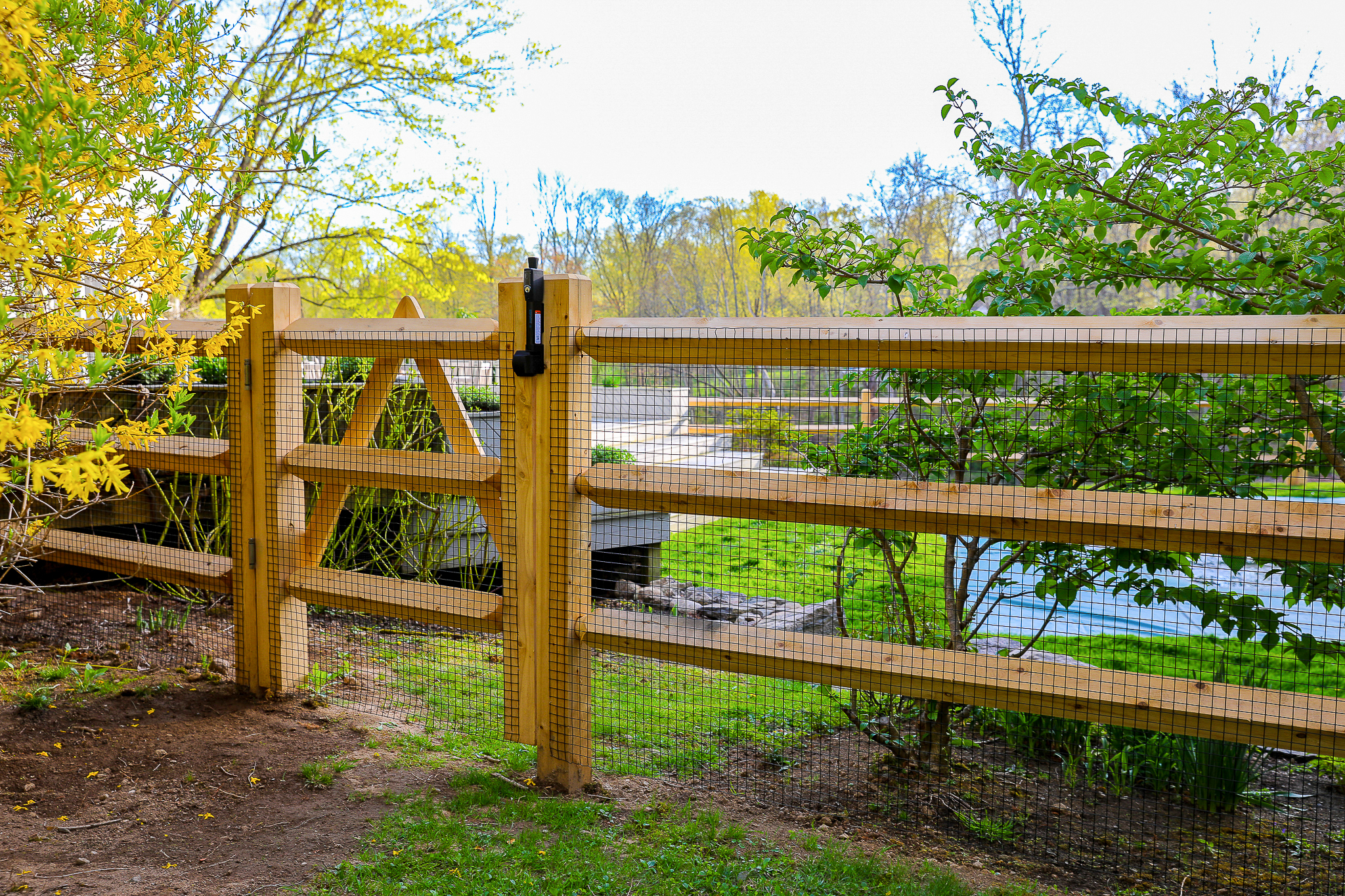
There are several different types of post and rail fencing, and each one takes its own shape and purpose. The right choice depends on your property’s aesthetic and how much visual weight you want the fence to have.
- Diamond Rail Fence: A formal, more decorative variation on the standard post and rail fence, the diamond rail is characterized by square rails rotated 45 degrees to resemble diamonds. The rails create a clean, geometric, and sturdy 3D effect.
- Two-Rail Fence: This is the simplest type of post and rail fence. It has only two horizontal rails set between posts. It works well in open spaces, pastures, or anywhere else you want a light, airy border.
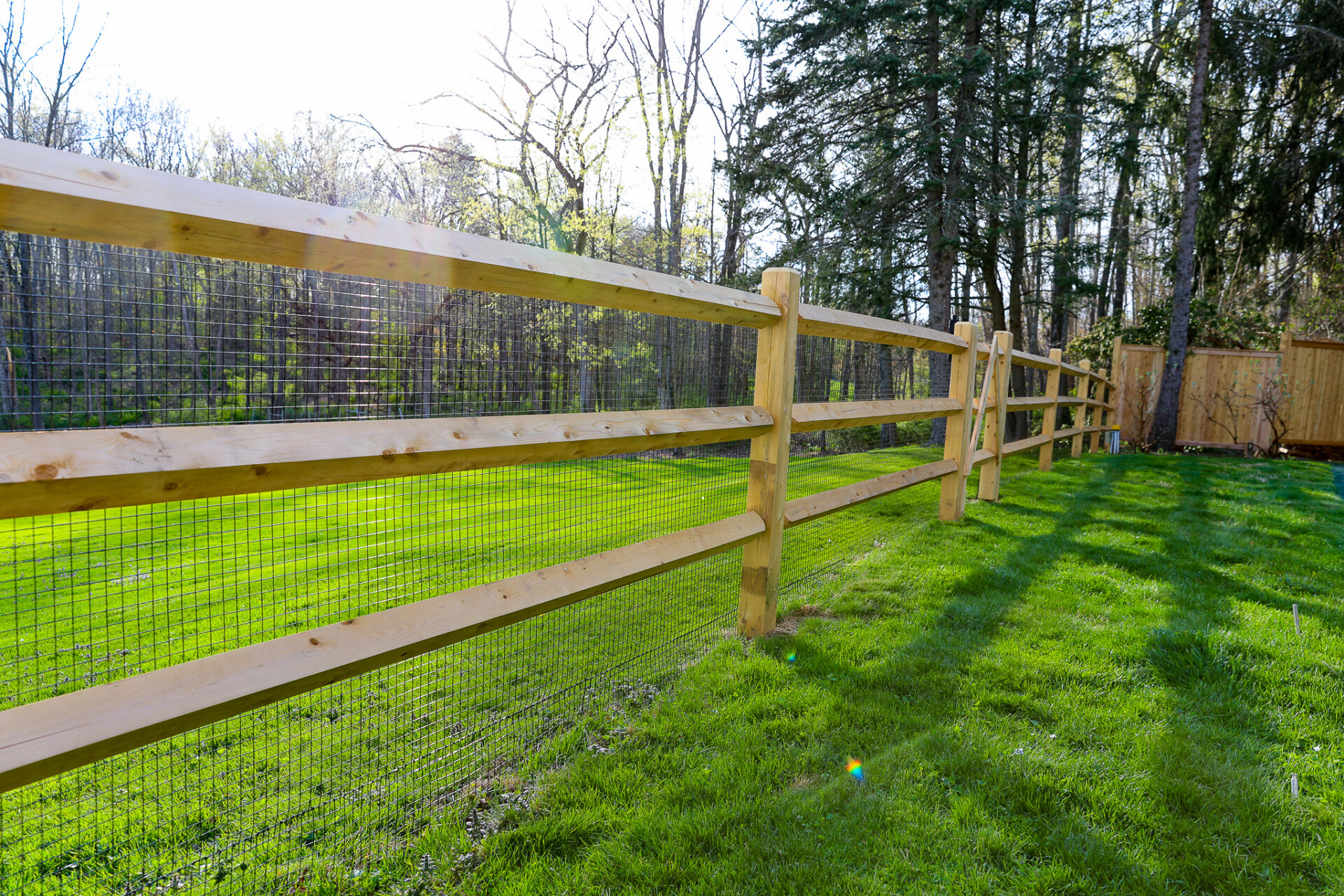
- Three-Rail Fence: The three-rail style is one of the most popular choices for residential properties because it is both stronger and more visually appealing. It gives you a fuller look while still keeping the classic, open post and rail feel.
- Four-Rail Fence: A four-rail fence adds height and sturdiness to the design, making it taller and more defined. It works especially well for homeowners who want a stronger border as well as for farm and animal containment purposes.
- Zigzag (Snake) Fence: Also known as a snake or worm fence, puts rails in a zigzag pattern without posts. This is one of the oldest types of fence in the US, and it has a rustic, historic charm that is hard to copy.
- Mortised Post-and-Rail Fence: This style has the rails fit directly into holes that have already been cut into the posts. This makes for a cleaner, more polished look. It’s a popular choice for people who want the look of post and rail but with a little more polish.
- Round Rail Fence: This type of fence uses rounded poles instead of hand-split wood to make it look a little more polished and even. It has the same rustic feel, but the profile along the fence line is cleaner and more even.
- Jackleg (Buck) Fence: Jackleg fences use X-shaped cross supports instead of traditional posts that go into the ground to hold the rails in place. This makes them useful for rocky or uneven ground where digging post holes is hard.
- Stacked Rail Fence: These are some of the simplest types of fences to build. They don’t need any posts because they rely solely on the weight and balance of the rails stacked on top of each other. The end result is a freestanding, very traditional structure that fits in perfectly with rural or historic-style homes.
See more Horizontal Fence Ideas: From Simple to Sophisticated
How Long Are Post and Rail Fence Rails?
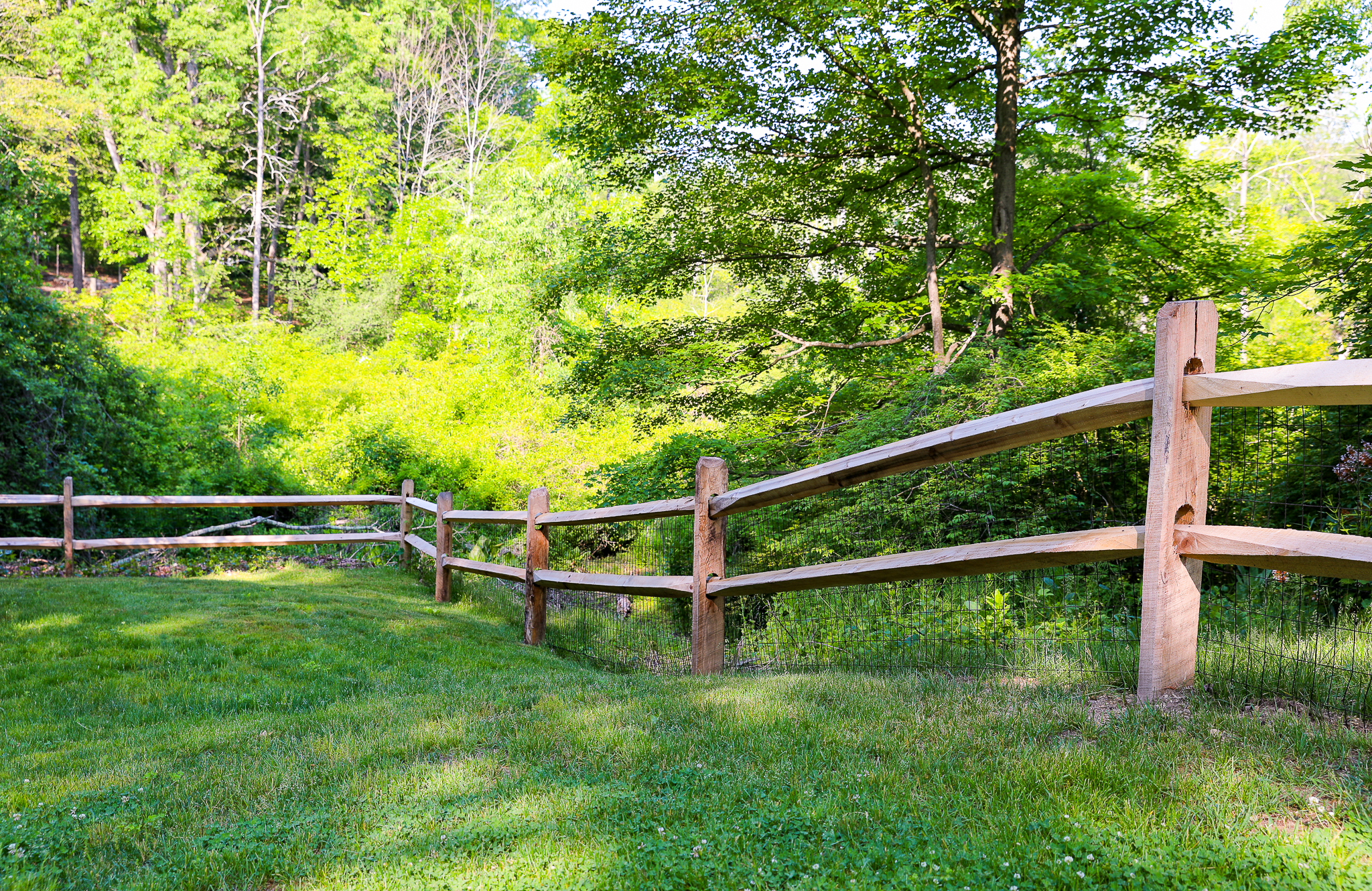
Most post and rail fence rails are between 8 and 11 feet long, with 11 feet being the most common standard. The spacing between your posts is typically designed around whichever rail length you choose.
The length you choose will depend on a few things, such as how big your property is, what kind of fence you want, and what look you want to achieve. Longer rails make things look more open and sweeping, while shorter rails make things look more compact and spaced out.
For custom projects, the length of the rails can be changed to fit a certain layout or type of terrain. This kind of flexibility is much easier to get when you work with a fence builder who does the work in-house.
Start your post and rail fencing project with Garon Fence.
How to Make a Post and Rail Fence More Private
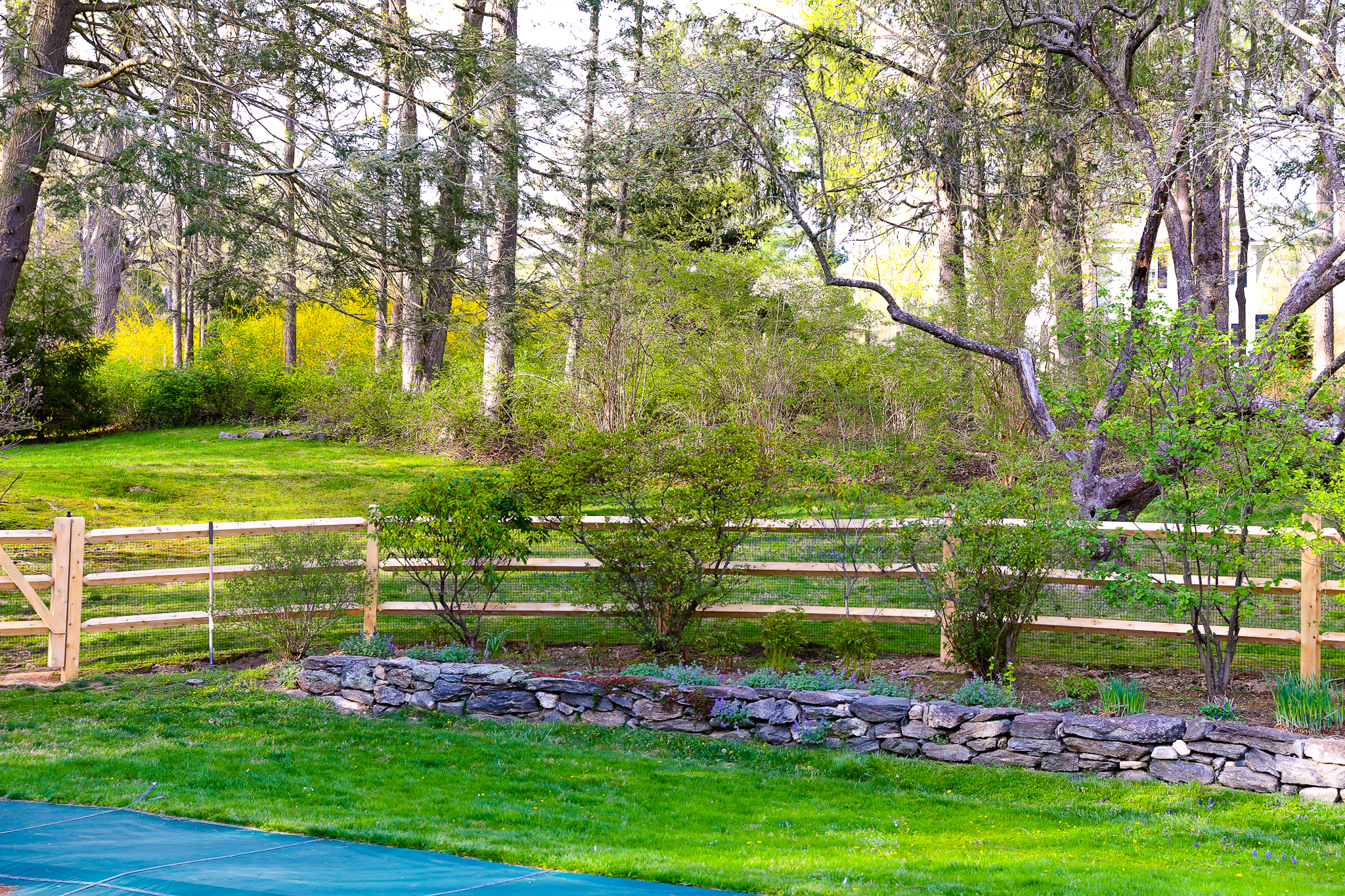
Part of what makes post and rail fencing so appealing is its natural openness. If you want a little more privacy without losing the rustic look, there are some creative ways to occupy visual space.
- Add wire or mesh backing: Putting wire mesh or lattice panels on the inside of your fence adds a layer of visual separation while keeping the post and rail look from the outside.
- Grow climbing plants or vines: One of the most natural and beautiful ways to add privacy over time is to train climbing plants like ivy, wisteria, or climbing roses to grow along your fence.
- Install privacy slats or panels: For a quick fix that still fits with the fence’s rustic style, you can weave or mount wooden or composite privacy panels between the rails.
- Plant a hedgerow: Putting thick shrubs or hedges along the inside of your fence makes a living privacy screen that makes the whole edge of your property look softer.
How much privacy you want and how quickly you want it will determine the best way to go about it.
Maintaining Your Post and Rail Fence
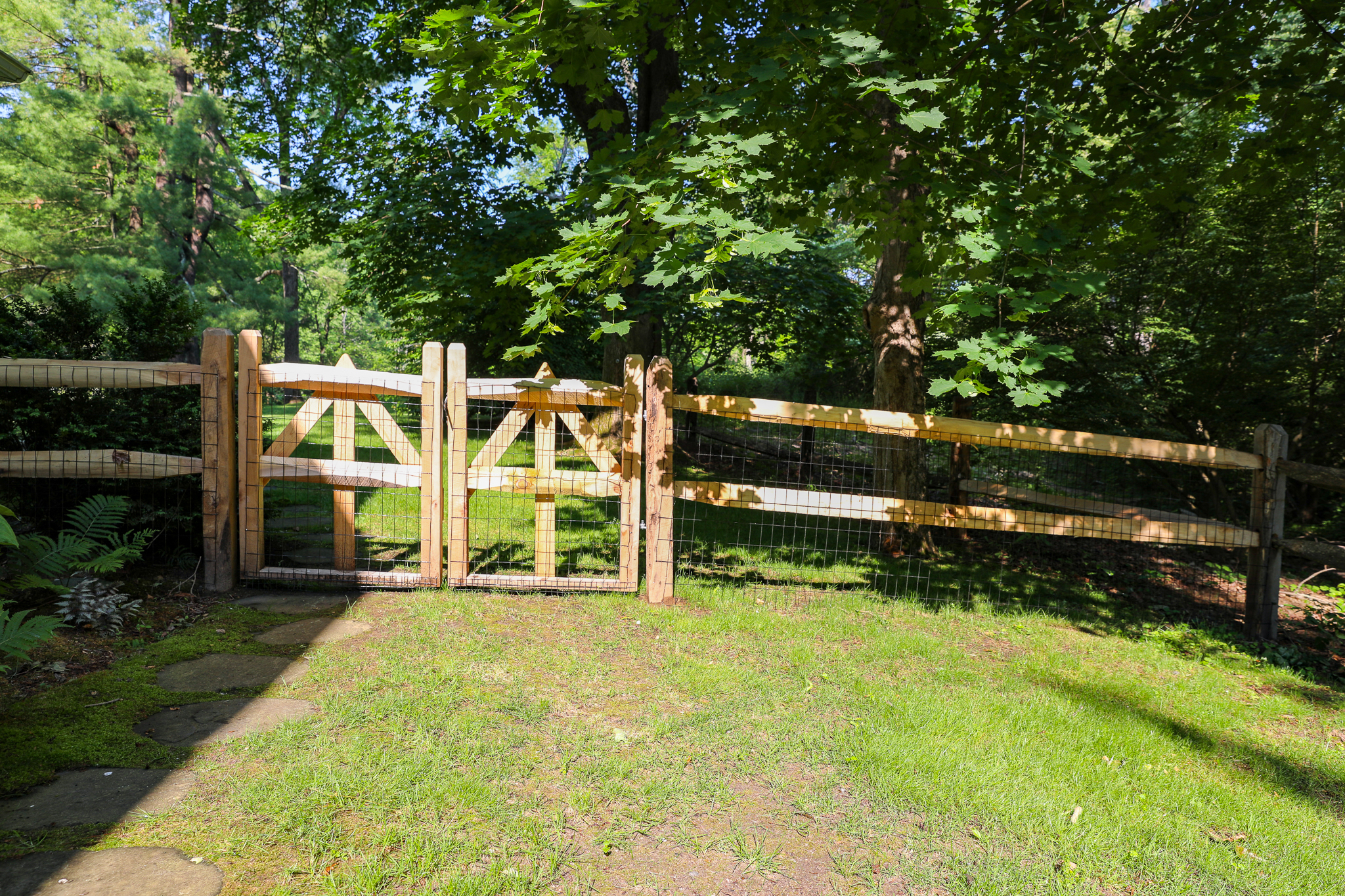
With the right care, a well-built post and rail fence can last for decades. A little care every now and then can help keep your investment safe and looking its best.
Inspect Regularly
At least once a year, walk along your fence line and look for cracked or warped rails, leaning posts, and any signs of rot or insect damage. Take a close look at the base of each post. This is where moisture tends to do the most damage. Finding small problems early on will save you from having to make bigger repairs later.
Keep Wood Clean
Over time, dirt, mold, and mildew can break down wood fiber, making the material weaker from the outside in. A quick scrub with a stiff brush and some mild soap, followed by a thorough rinse, keeps the surface clean and healthy. Do this at least once a year, or after a lot of rain.
Apply a Sealant or Stain
Every few years, putting a weatherproof sealant or stain on your wood fence will protect the wood from moisture, UV rays, and changes in temperature. A penetrating oil-based sealant works best on cedar or locust fences that haven’t been painted. This one thing can make your fence last for years longer.
Replace Damaged Rails Promptly
If a rail is badly rotting, cracking, or breaking, you should replace it as soon as possible. If you leave damaged pieces in place, the stress will shift to the rails and posts next to them, which can turn a small fix into a much bigger repair job.
Treat Posts Against Ground Rot
The fence posts are the most vulnerable part of the whole structure because they are in direct contact with the ground. Putting a wood preservative on the part of each post that is buried when it is set, and then applying it again if the posts are ever taken down or replaced, greatly reduces the risk of ground rot.
Mind the Vegetation Around Your Fence
Grass, ivy, and shrubs that grow too tall and push against your fence keep moisture against the wood and speed up its decay. Trimming back plants a few inches on either side of the fence line lets more air flow and makes a big difference in how long the fence lasts.
Build a Custom Post and Rail Fence Unique to Your Property
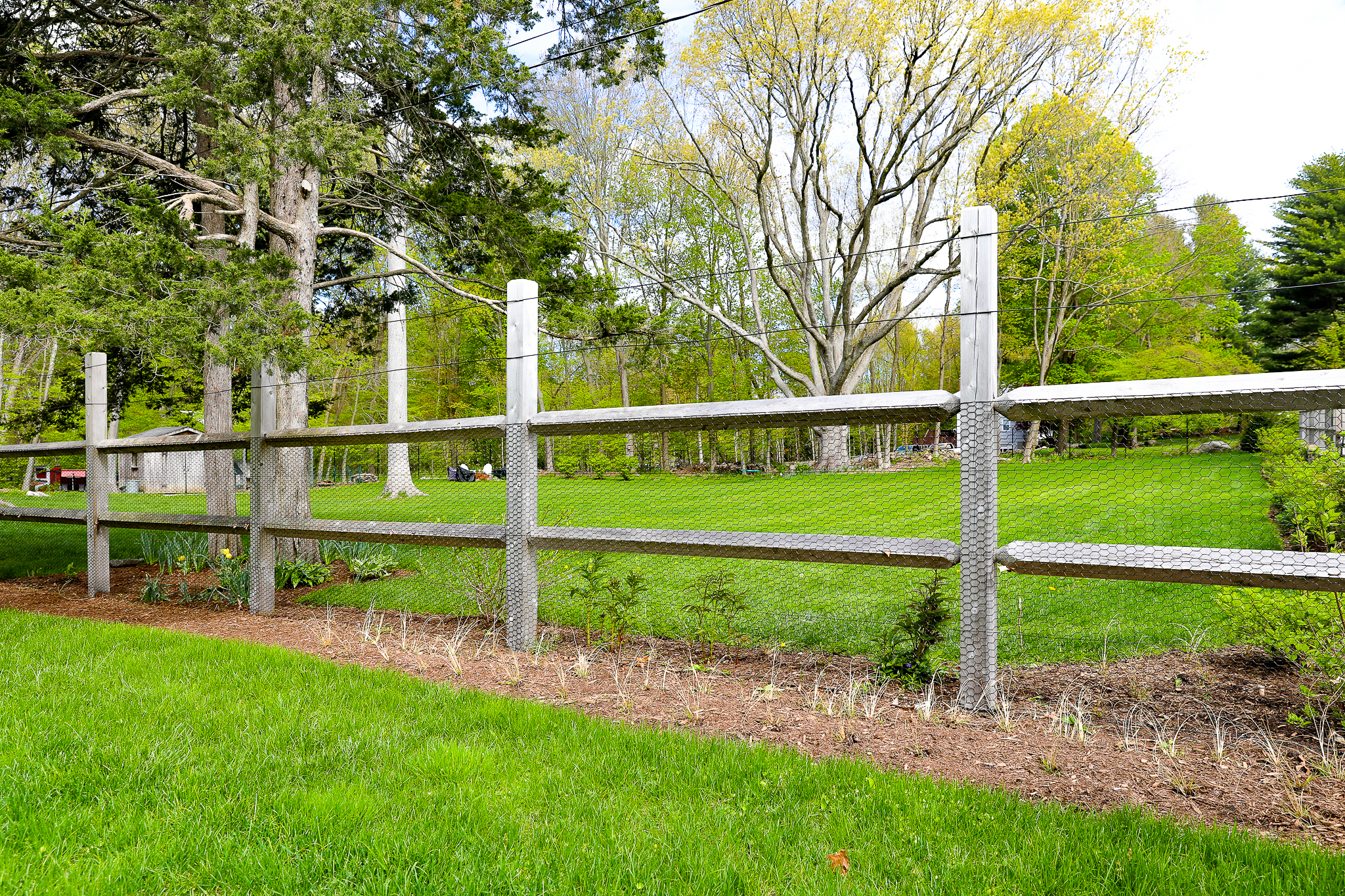
No two properties are exactly alike, and your fence should reflect that. At Garon Fence, we design and build custom post and rail fences crafted to fit your specific landscape, style, and goals. Serving homeowners and property owners throughout the Tri-State area and beyond, our team handles every detail in-house from start to finish. Ready to bring your vision to life? Reach out to Garon Fence today.

President of Garon Fence, Matt Prato, has transformed the family-owned business into a self-sustaining, independent, and thriving company. He brings expert knowledge in all things involving fencing, gates, and access solutions, shaped by years of hands-on installation and custom fabrication. He is a home improvement and outdoor design expert with decades of experience working on residential projects, and he advises homeowners on practical upgrades for gates, fences, railings, and outdoor installations.