Fence height is one of those decisions that feels straightforward until you actually start researching it. The number that seems obvious for a backyard fence may be completely different from a front yard, a pool enclosure, or a commercial property line.
The truth is, “standard height” can have a different meaning depending on the type of fence you are building, where you live, and what you need the fence to actually do. This guide breaks it all down by application so you can go into your project with a clear picture.
A Quick Note on Local Regulations

Before we get into standard fence heights, it’s important to say right away that these are general rules, not laws that apply to everyone. Municipal codes, zoning codes, and HOA rules can all be different from region to region. And depending on the area you’re in, these local mandates can affect how tall your fence can be.
In many areas, you need a permit to build a fence that is taller than a certain height, which is usually six feet. If you don’t have one, you could get fined (or worse, have to tear down your structure), which is an expensive lesson to learn after the fact.
The standard fence height ranges in this guide are what most people in the industry use. But before starting any work, always check with your local municipality to make sure you have everything you need. Even better, hire a contractor who knows how to navigate that process on your behalf.
Standard Fence Height by Application
Every fencing application has its own set of priorities, and the right height follows from those priorities. Here is a practical breakdown of what to expect across the most common fence types.
Residential Front Yard Fence

Front yard fences typically run between 3 and 4 feet tall. At this height, the fence defines the property boundary and adds curb appeal without creating a closed-off or fortress-like feel. Many municipalities specifically cap front yard fence heights to preserve neighborhood sightlines.
Residential Backyard Fence

Six feet is the most widely recognized standard for a backyard fence. It provides a meaningful degree of privacy and security while staying within the height limits set by most local zoning codes. For most homeowners, this is the default starting point.
Privacy Fence
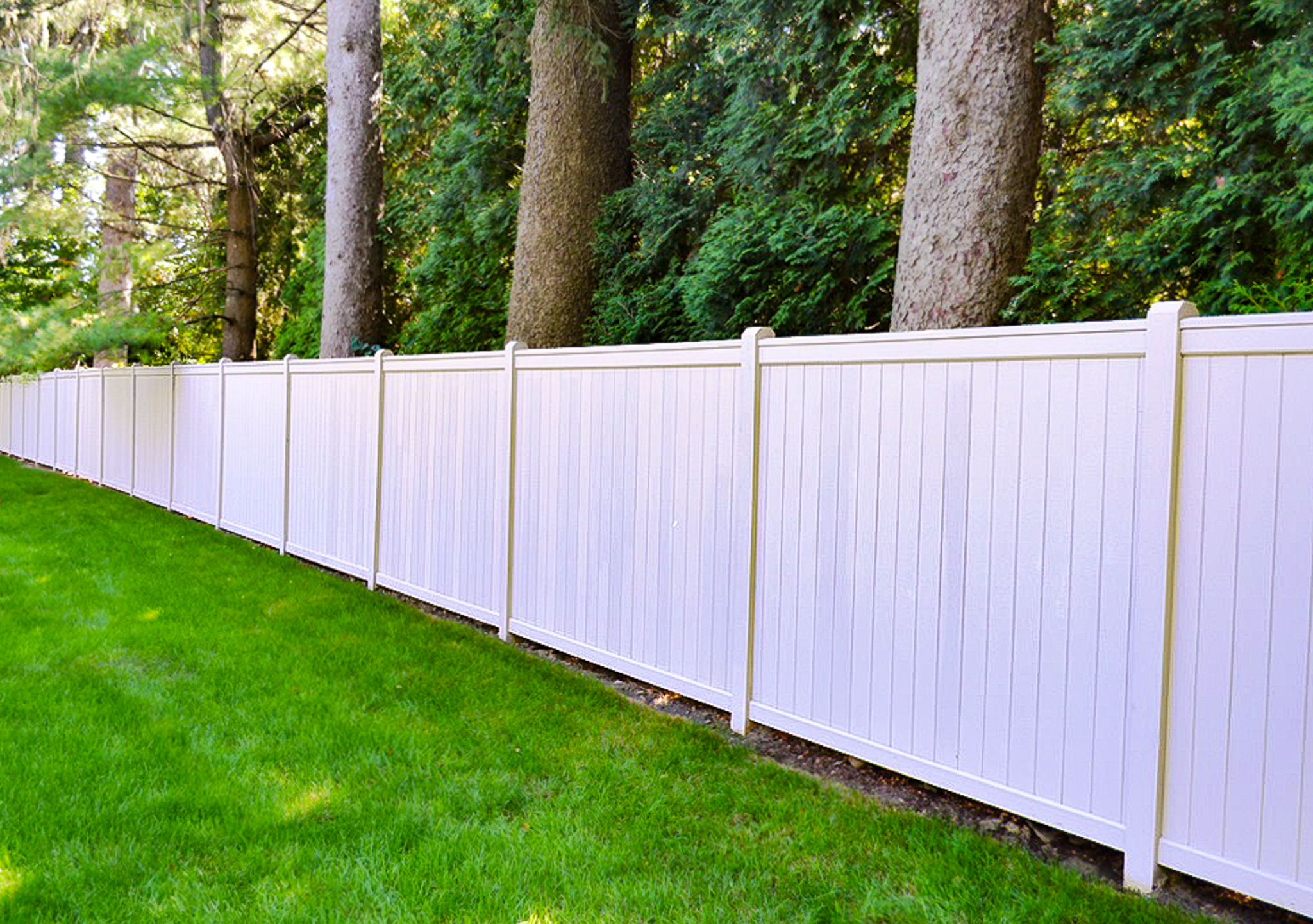
Privacy fences typically range from 6 to 8 feet. The goal is to fully block sightlines from neighbors or passersby, so height and solid panel construction work together. Wood and metal panel designs are both popular choices at this height.
Picket Fence

The classic picket fence is typically 3 to 4 feet tall. It is more about charm and boundary definition than security or privacy. Think front yards, garden borders, and cottage-style landscaping where the aesthetic is as important as the function.
Chain-Link Fence
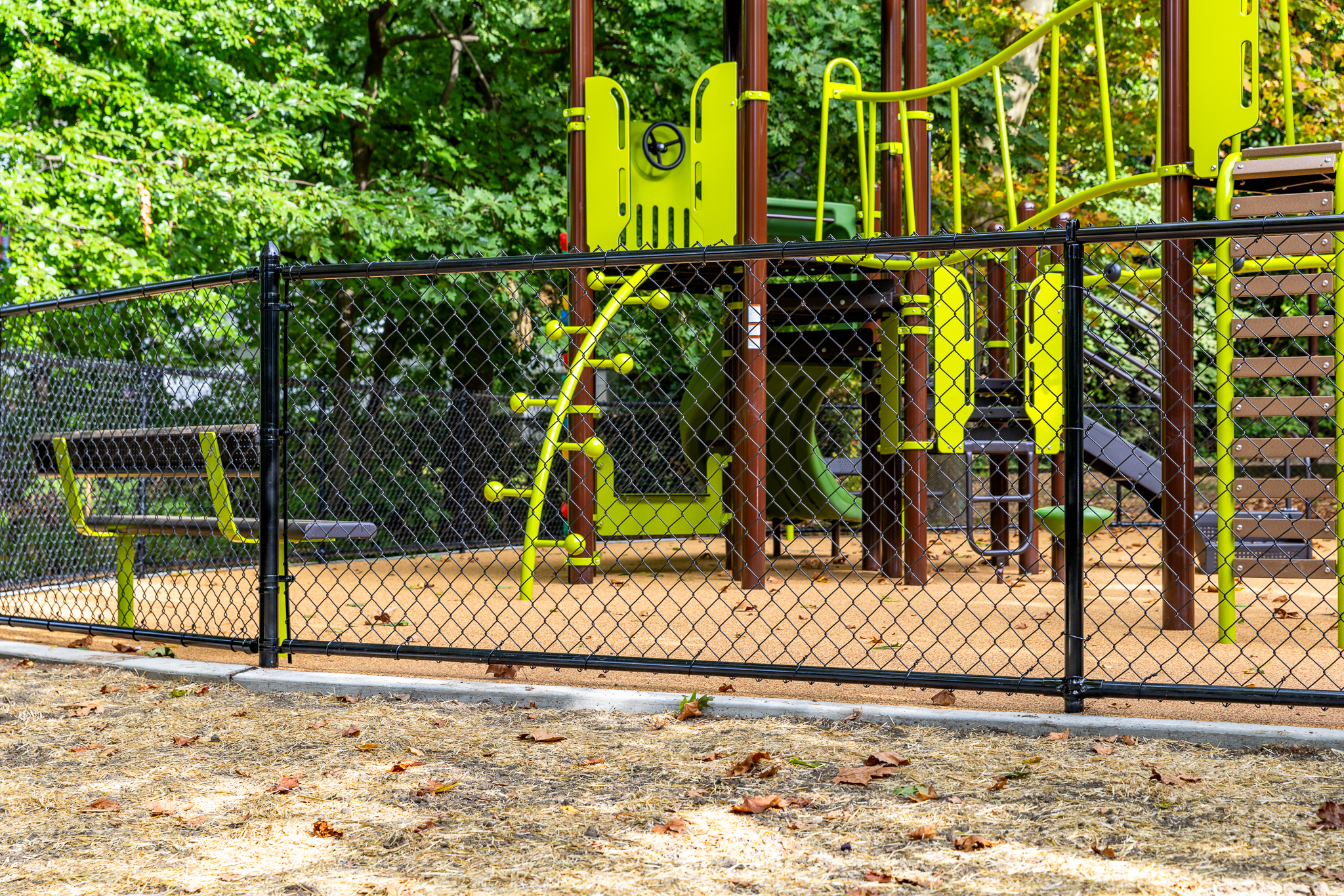
Most chain-link installations typically range from 4 to 6 feet for residential and municipal applications. Commercial and industrial applications often go higher (anywhere from 6 to 10 feet), where perimeter security is a more serious concern. Chain-link fencing is valued for its practicality over its visual appeal.
Dog and Pet Containment Fence
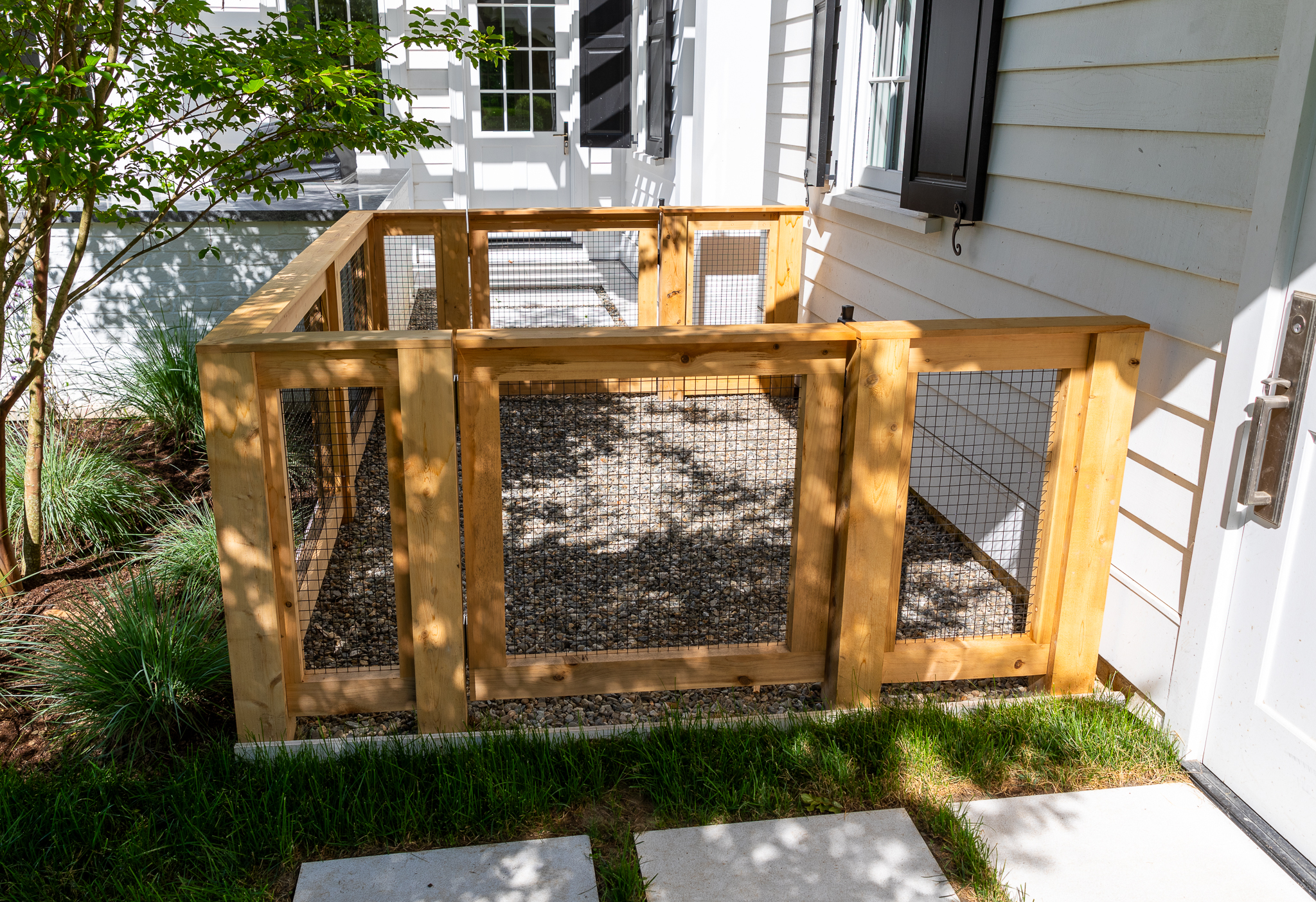
The right height for a pet fence depends heavily on the animal. Smaller breeds are generally contained by a 4-foot fence, while larger or more athletic dogs may require 5 to 6 feet or more. A dog that can clear a 5-foot fence without much effort is not a contained dog — so breed behavior matters as much as breed size.
Deer Fencing
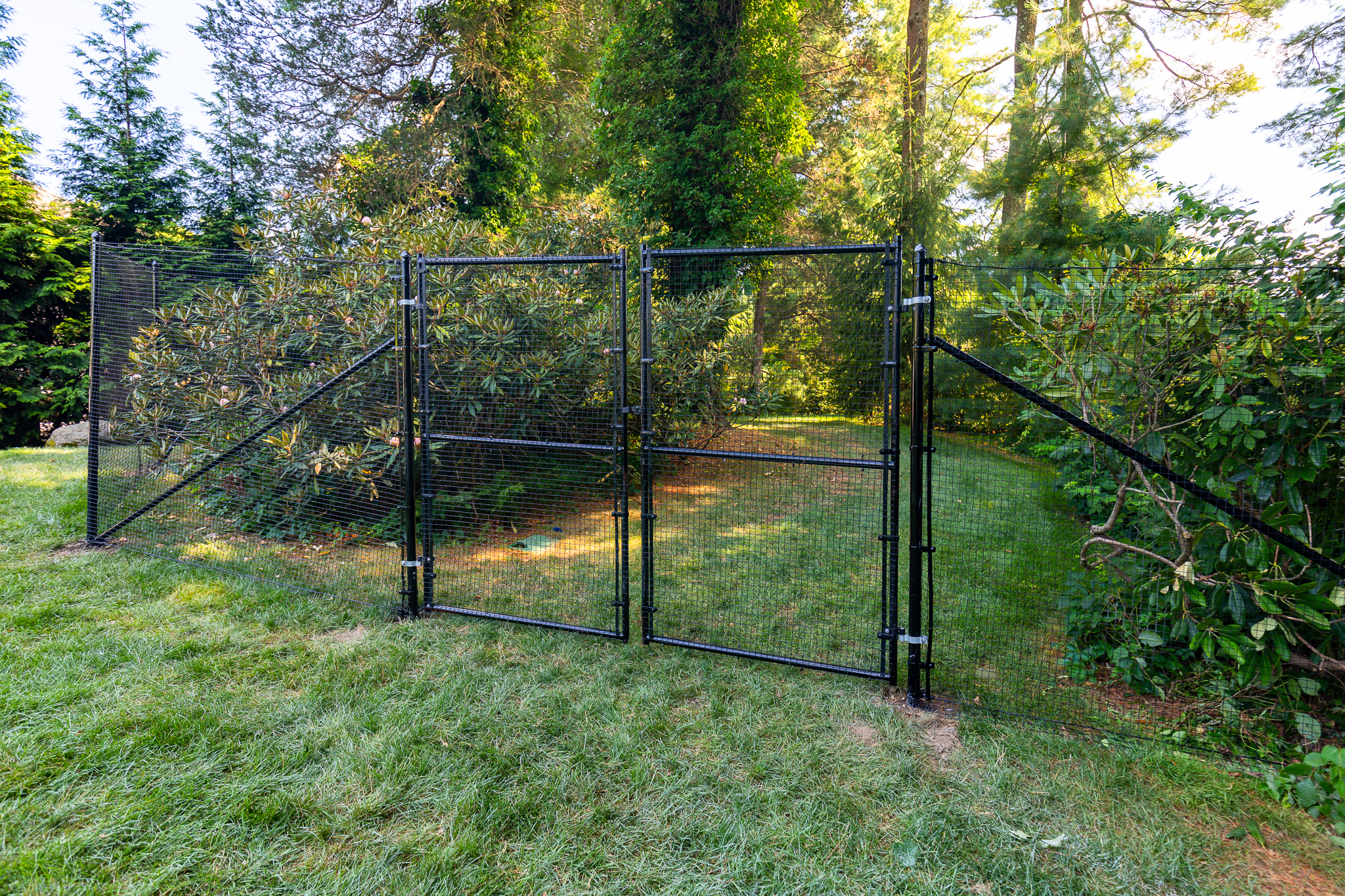
Deer are surprisingly capable jumpers, which makes height a critical factor here. Effective deer fencing typically starts at 7 to 8 feet and can reach up to 10 feet for properties with heavy deer pressure. This is one application where going taller from the start is almost always the right call.
However, keep in mind that fencing at any of these heights often requires variance or special approval from your town or city’s zoning board.
Pool Fence

Pool fencing is one area where height requirements are often dictated by law rather than preference. Most jurisdictions require a minimum of 4 feet, with many recommending 5 feet for stronger safety assurance. Self-latching or self-closing gates and minimal footholds are standard safety requirements at any height.
Commercial and Industrial Security Fence
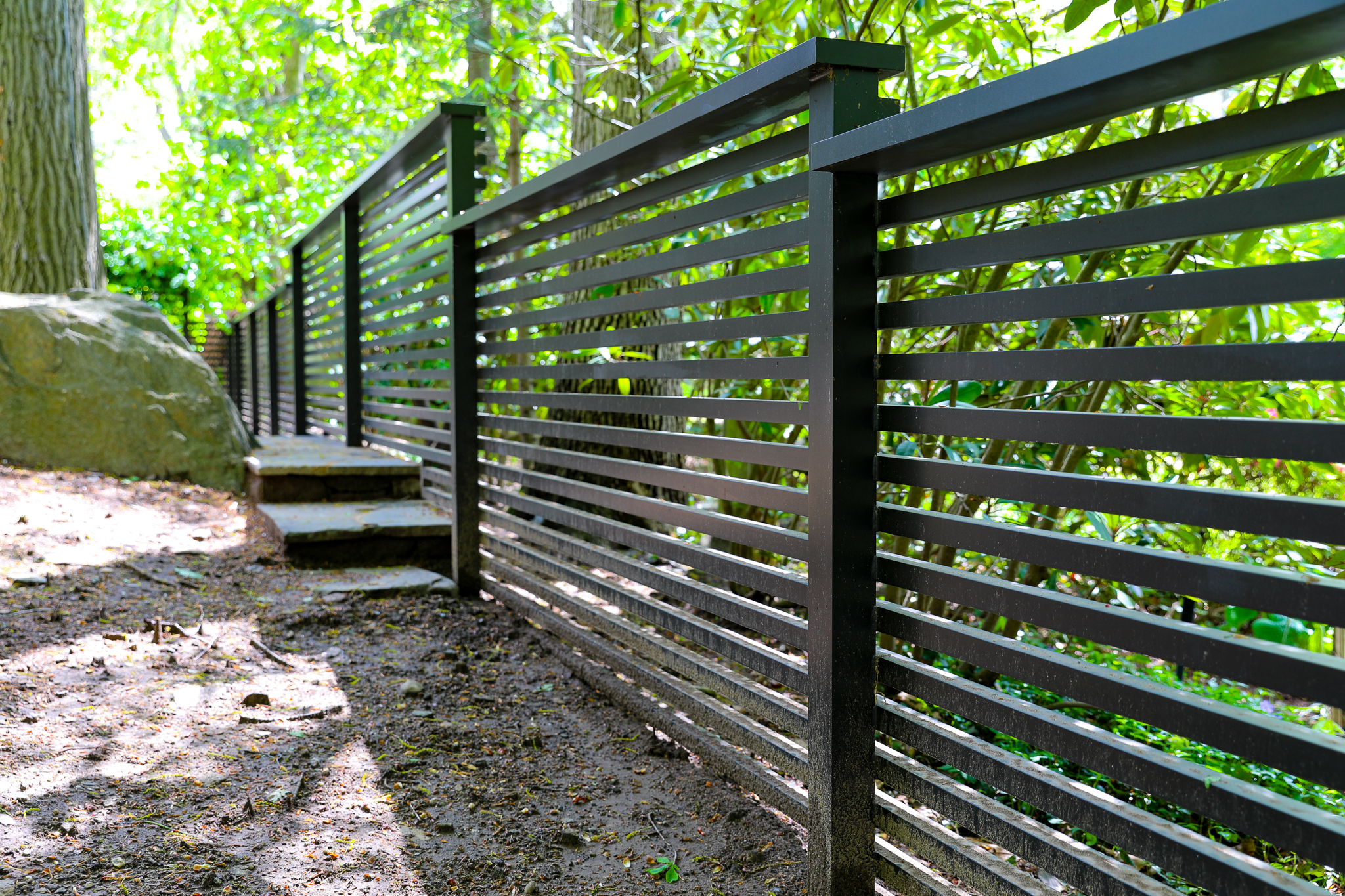
When security stakes are higher, so is the fence. Commercial and industrial perimeter fences commonly range from 8 to 12 feet, with anti-climb features and heavy-gauge materials built into the design. At this scale, the fence is a serious security system.
Ornamental Metal and Wrought Iron Fence
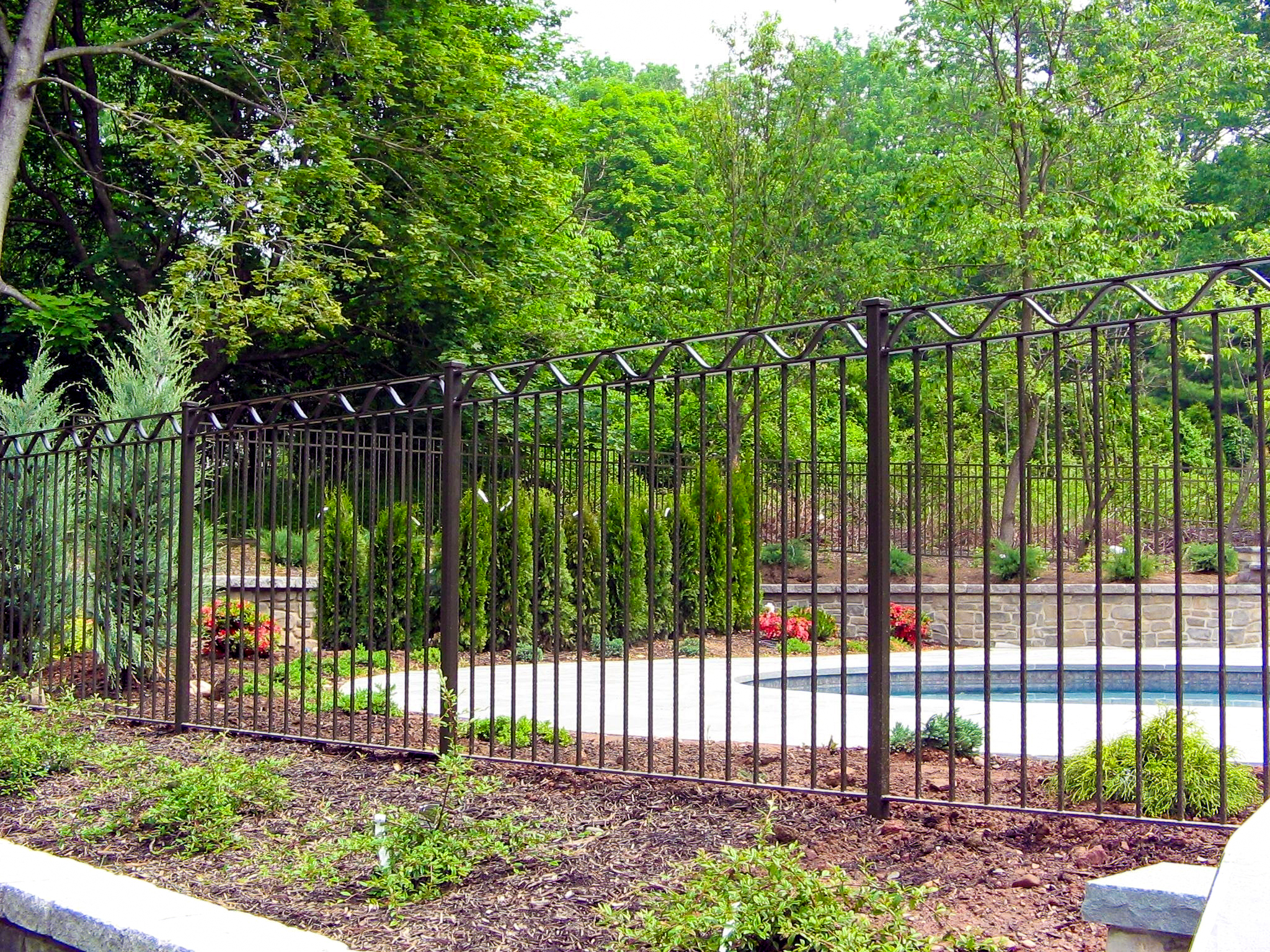
Ornamental metal fences typically range between 4 and 6 feet. The focus here is on visual presence as much as boundary definition, as these fences are designed to impress as well as protect. Custom heights are common, particularly for estate properties and formal landscaping.
Sports and Athletic Facility Fence

Tennis courts, basketball courts, and batting cages require significantly more height than a residential application. The range typically runs from 10 to 12 feet, with some applications going higher depending on the sport and site layout. Tennis courts are designed a bit differently. While the sides of the fence can taper down to 3 to 4 feet or 6 to 8 feet near the net, the backing can be much taller.
Agricultural and Farm Fence
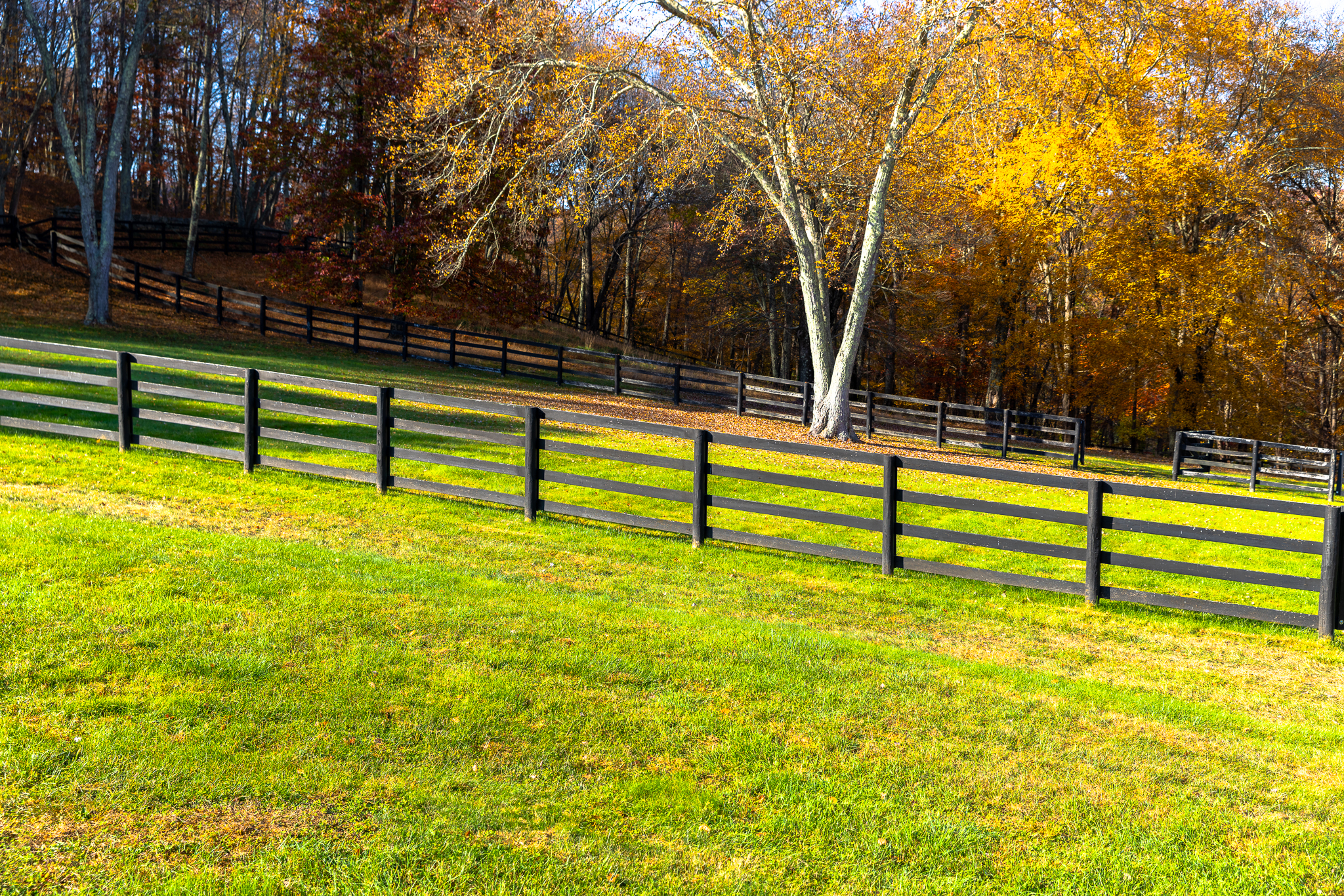
Farm fencing covers a wide range, depending on what is being contained or kept out. Smaller livestock and garden protection may only require 3 to 4 feet, while horse fencing typically calls for 4 to 5 feet. Predator deterrence for larger animals can push that number closer to 6 to 8 feet.
When to Go Taller

The height ranges above are what is considered standard or average, but standard doesn’t always mean enough. In some cases, going above and beyond the norm is the smartest thing to do, especially when you’re dealing with privacy and security.
One of the most common reasons to go taller is that the ground is sloped or uneven. A 6-foot fence on flat ground covers the same area all the time, but on a downward slope, the low end of the fence can leave big holes in visibility and security.
Another thing to think about is how much noise the property will block, especially if it is near busy roads or businesses. A standard-height fence can’t match the soundproofing power of a taller, solid-panel fence.
Adding height, anti-climb features, or fence toppers to a property is a common way to make it more secure. This is because a residential-grade installation doesn’t provide enough protection. Remember that you usually need a permit for fences that are taller than a certain height, so talk to your contractor about this early on.
Height Is Just One Part of the Equation
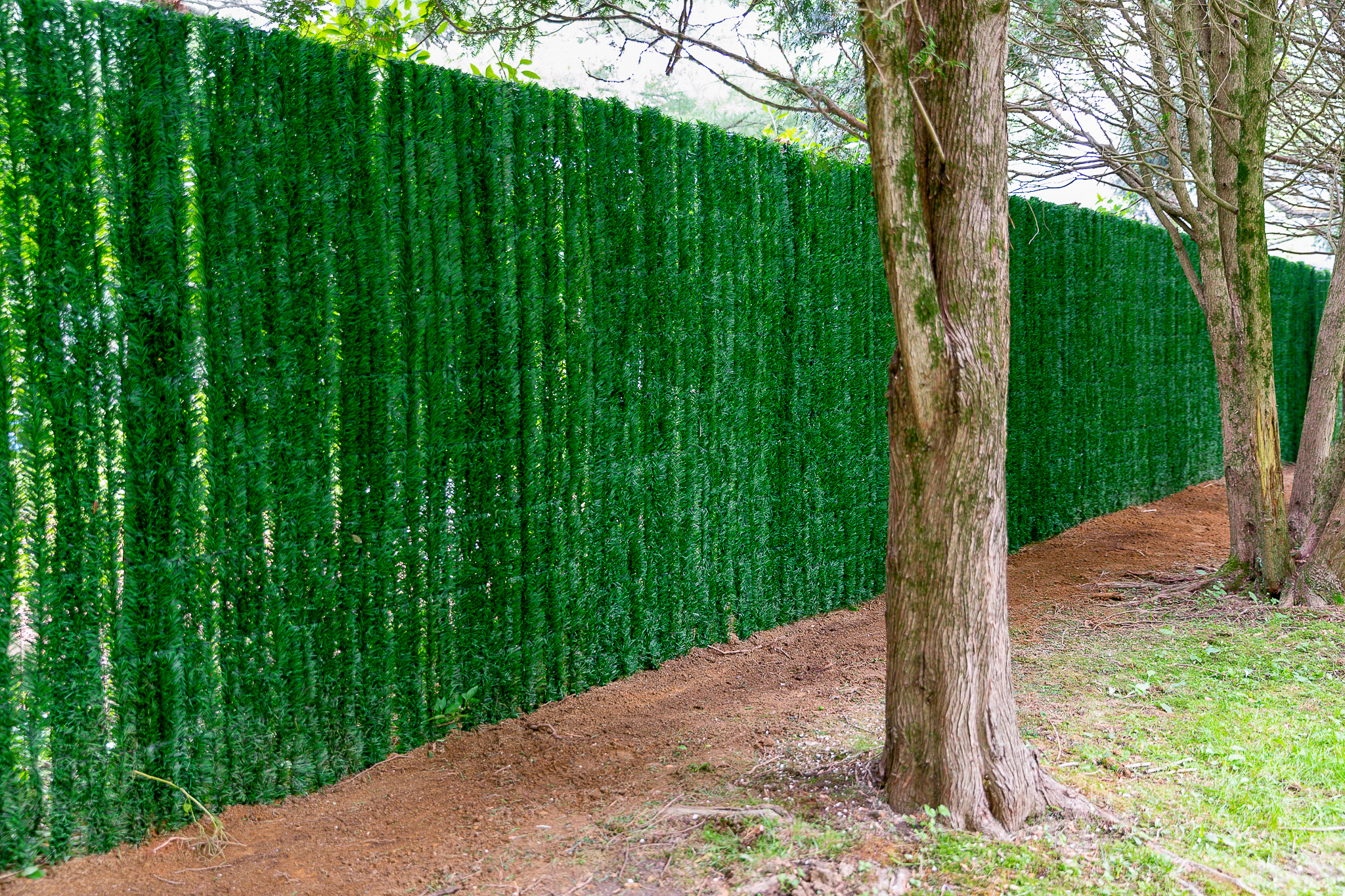
Height gets a lot of attention in the planning process, and rightfully so. But it is only one variable in what makes a fence actually perform.
Material strength, post depth, panel spacing, and gate hardware all play a role in how secure and durable the finished structure will be. A well-built 5-foot fence can outperform a poorly built 8-foot one in both longevity and security. The craftsmanship behind the installation matters just as much as the spec sheet.
Design is part of the equation, too. The right fence works with your property rather than against it, complementing the architecture, the landscape, and the overall aesthetic you are going for. Height sets the foundation, but everything else is what makes a fence worth building.
Build It Right with Garon Fence
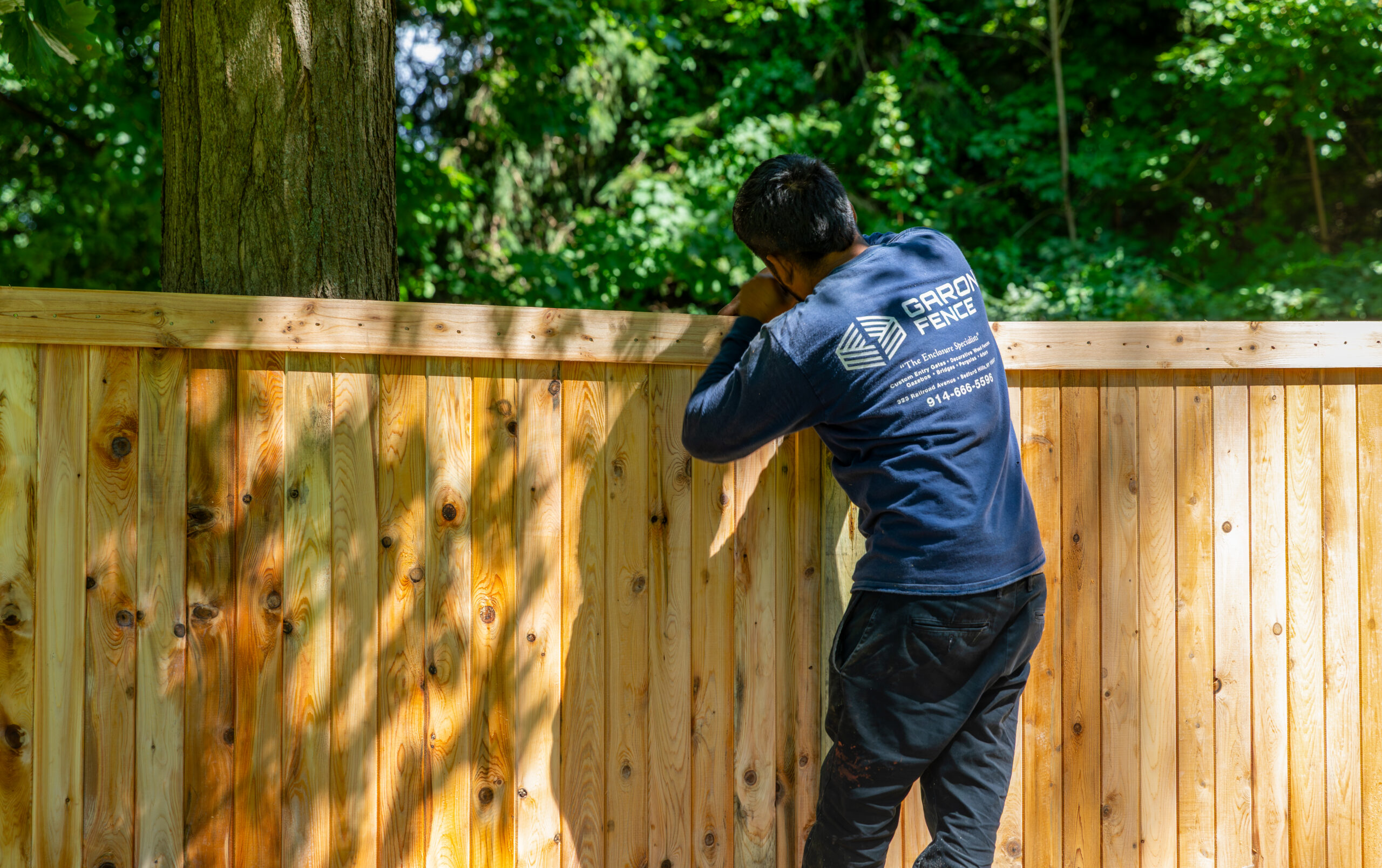
If you are ready to move from research to reality, Garon Fence is here to help. We design and build custom fences, gates, and structures from metal, wood, and mixed materials — all fabricated and installed in-house for quality you can count on.
Every project is different, and that is exactly how we approach them — with a custom plan tailored to your property, goals, and vision. Reach out to our team to start the conversation.

President of Garon Fence, Matt Prato, has transformed the family-owned business into a self-sustaining, independent, and thriving company. He brings expert knowledge in all things involving fencing, gates, and access solutions, shaped by years of hands-on installation and custom fabrication. He is a home improvement and outdoor design expert with decades of experience working on residential projects, and he advises homeowners on practical upgrades for gates, fences, railings, and outdoor installations.