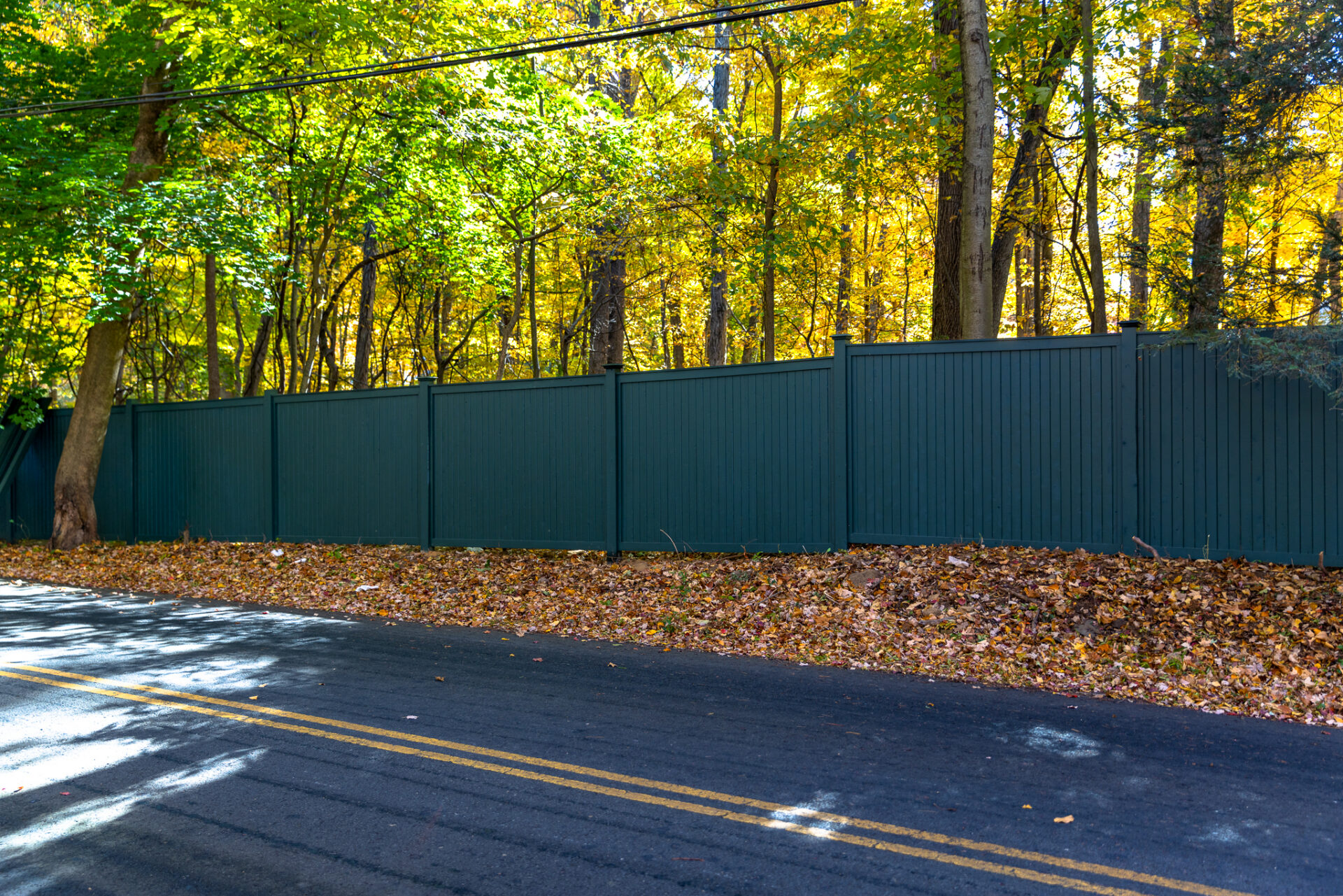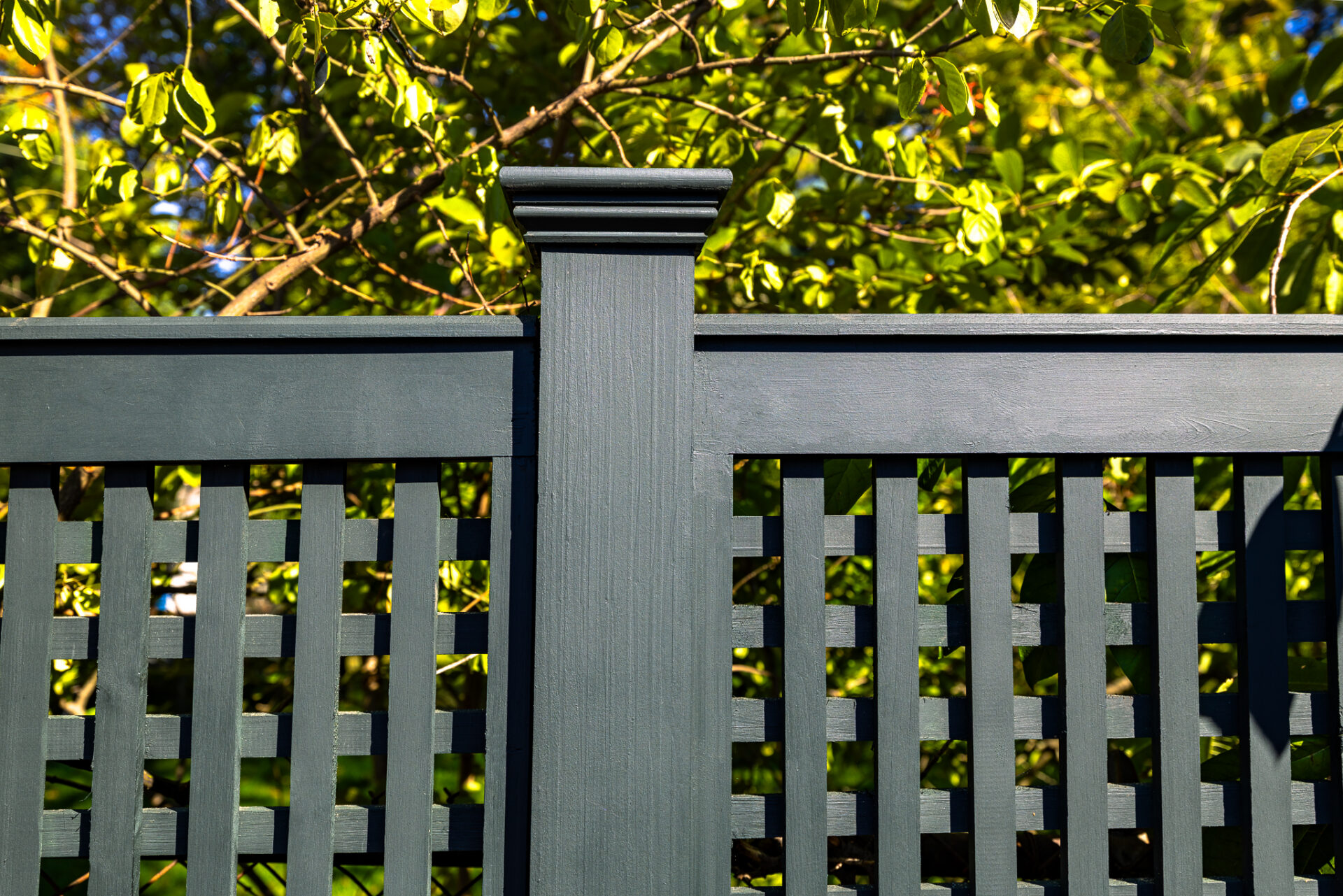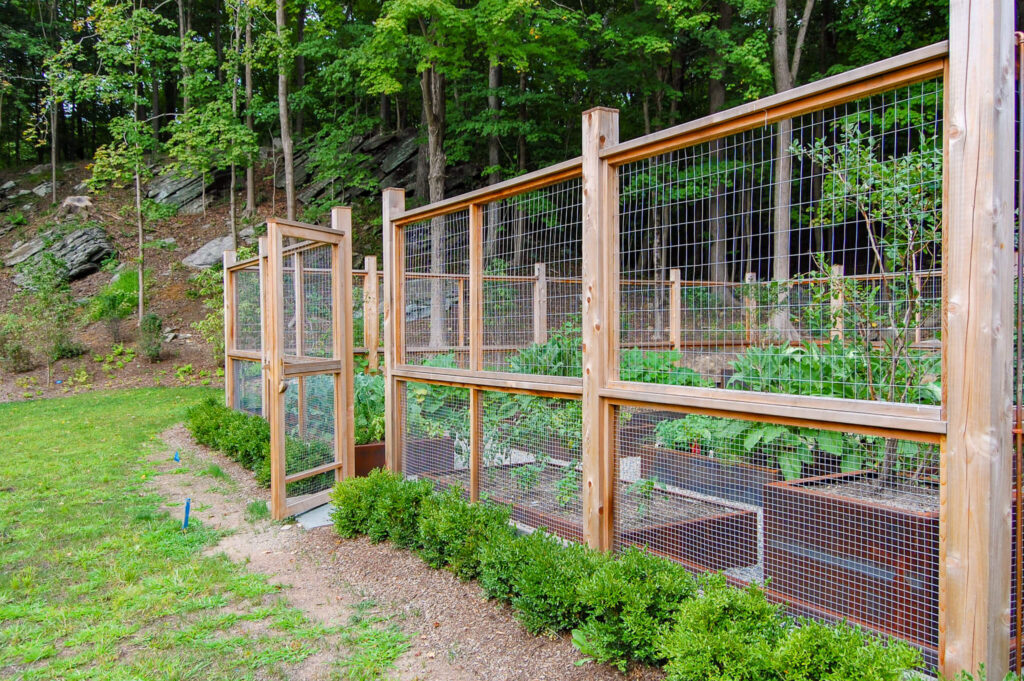
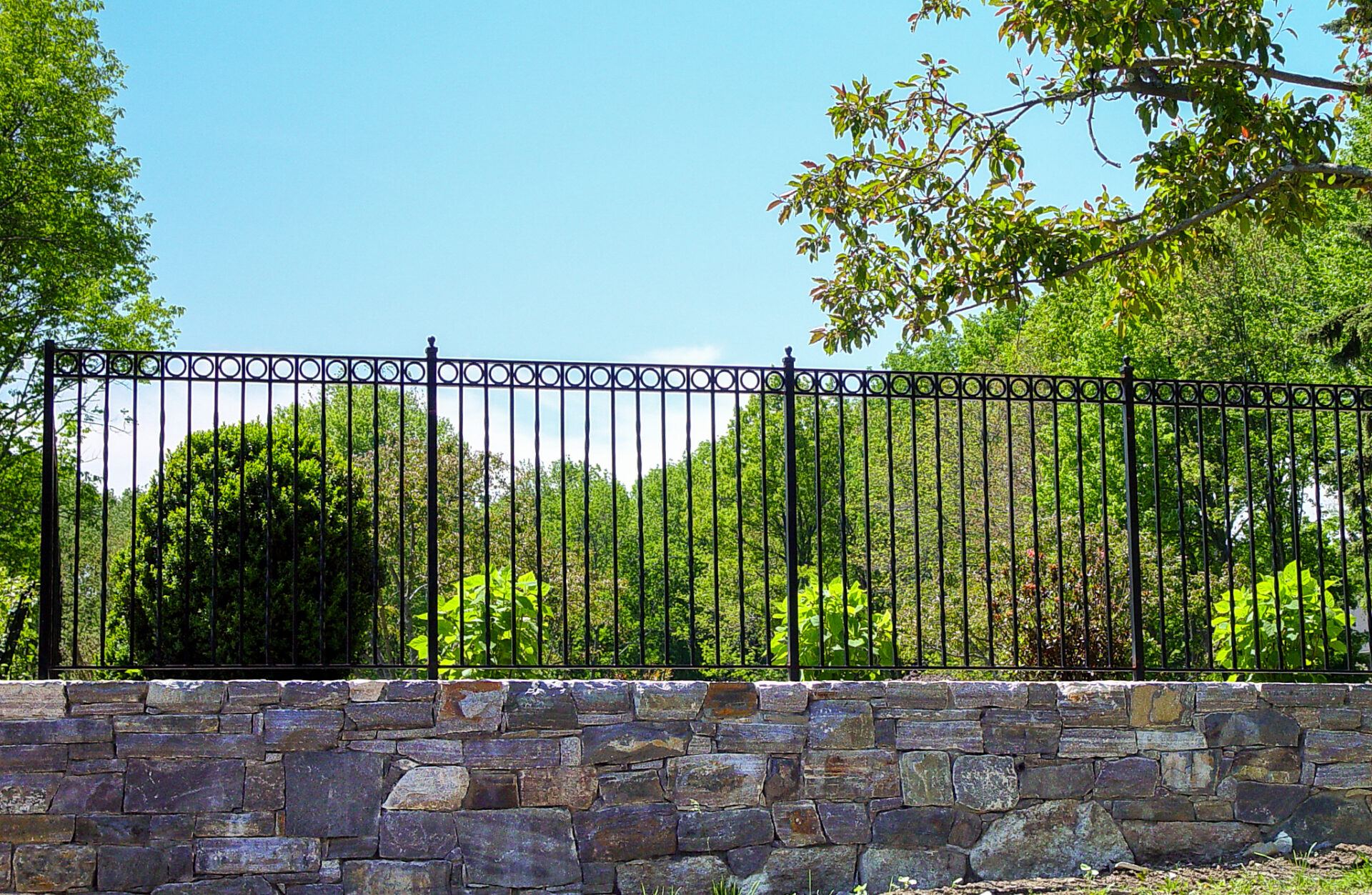
The decision to invest in a security fence is one of the most impactful investments you can make for your property. It protects what matters most and makes a statement before anyone ever reaches your front door.
The planning stage is where a great fence actually comes to life. The decisions you make about materials, design, and who you hire will have an impact on everything long before the first post goes into the ground. This guide tells you exactly what to think about and what to look for as you’re planning a security fence project.
Why Security Fencing Matters
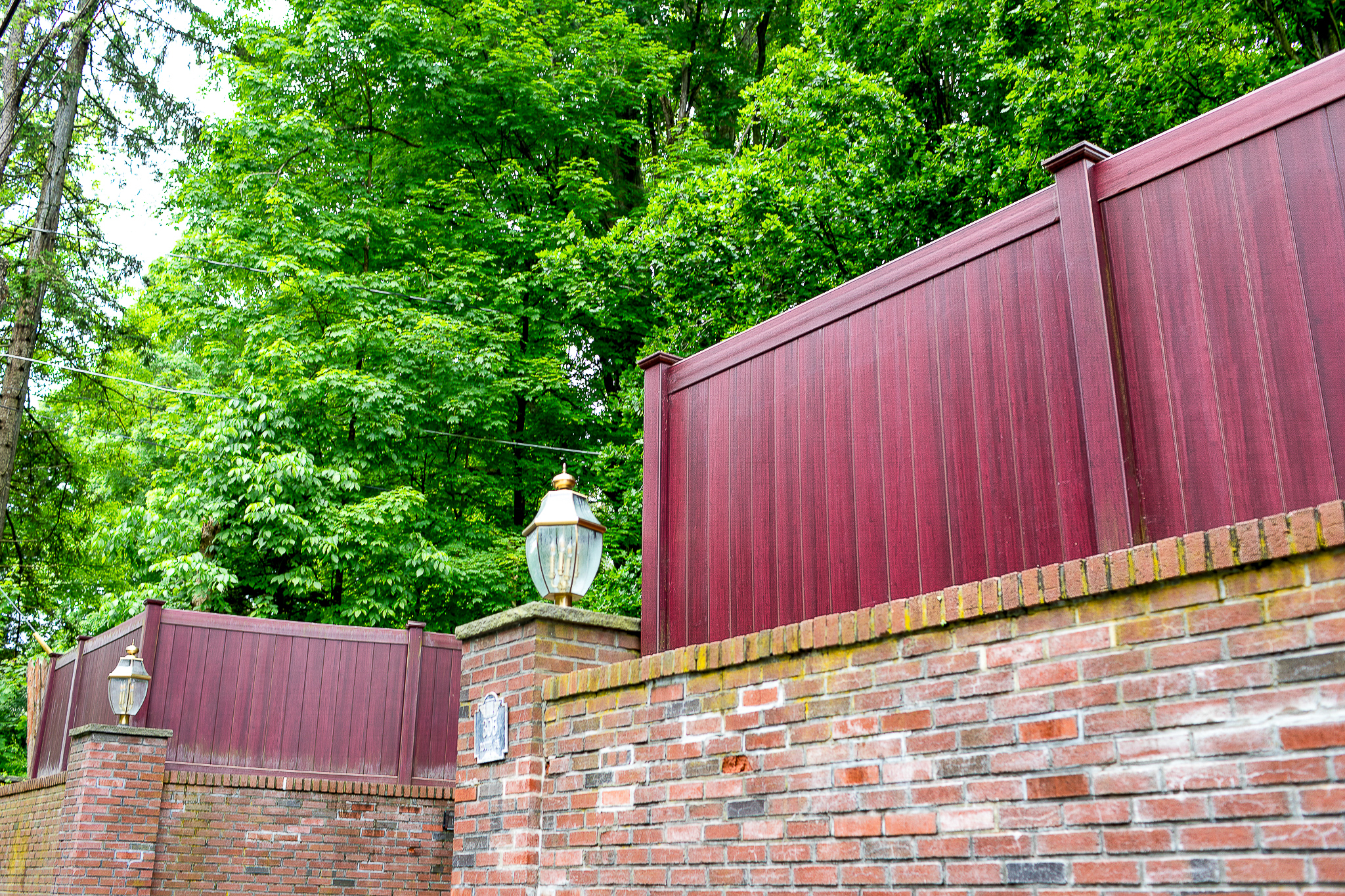
When you hear the word “security,” you might think of cold, industrial barriers and chain-link fences. While such fences might serve their purpose in providing ample protection, they’re not characteristic of the look people want in balancing security with style.
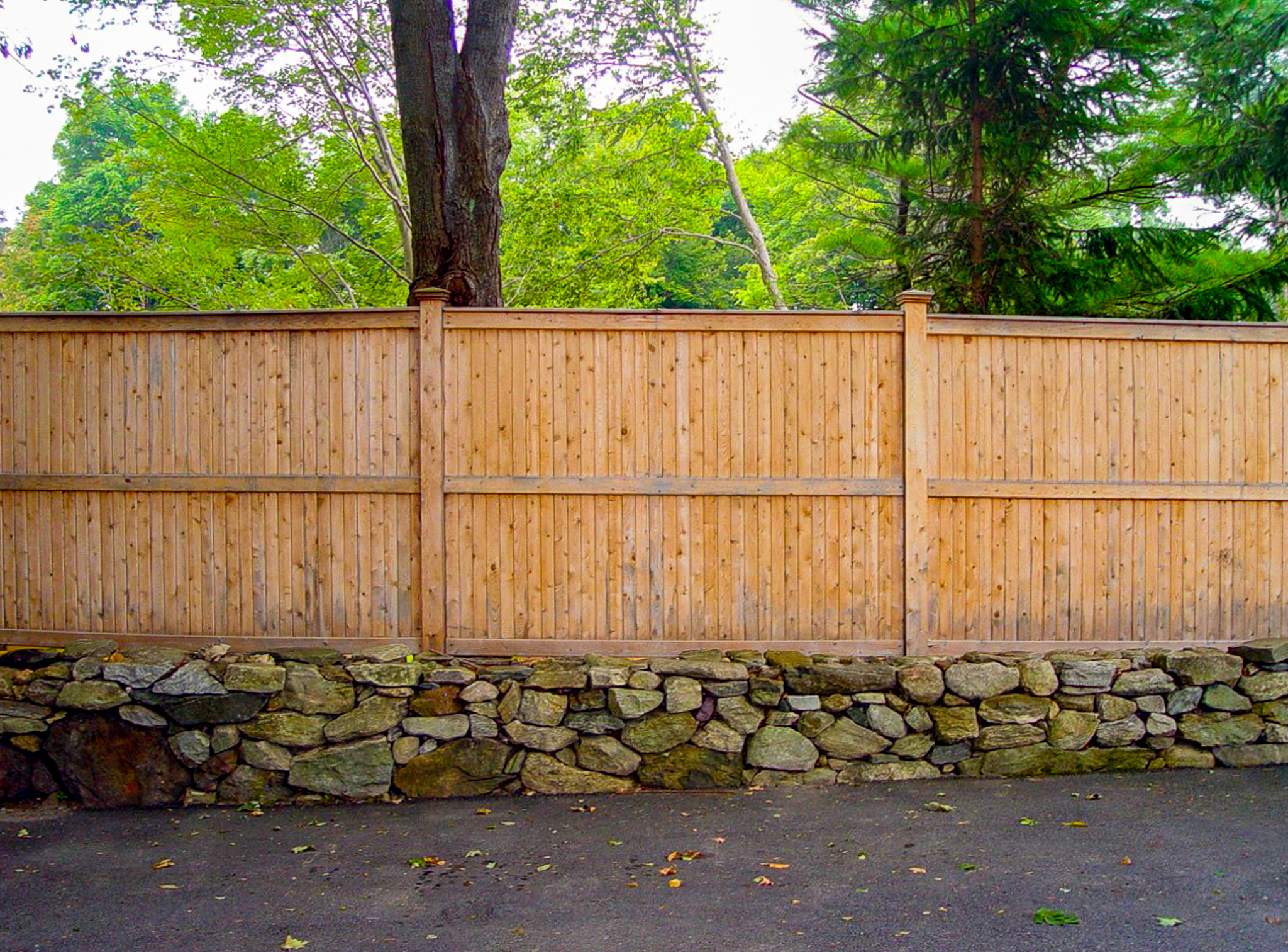
Today’s security fencing can be as refined as it is resilient. More and more homeowners and property owners are looking for ways to keep threats away while also making their property look better. The use of mixed materials like stone and wood or the combination of security and privacy fencing ideas are a couple of common examples.
The best security fence gives you peace of mind without losing any style. It is a long-term structure that holds its own every day, and is one that you can feel confident and proud in.
Key Considerations Before You Install
Before any material is selected or contractor is hired, there are a few foundational questions worth asking. Getting clear on these early will save time, money, and a good deal of second-guessing later.
What Are You Protecting Against?
The purpose of your fence shapes every decision that follows. A fence designed to deter trespassers looks and functions very differently from one built to restrict vehicle access or contain animals. Knowing your primary goal is the starting point for everything else.
Zoning, Permits, and Property Lines
Many homeowners are surprised to learn that security fence installation may require a permit. Local municipalities have height restrictions, setback requirements, and other codes that vary by area. A qualified contractor will know the rules in your region and handle the compliance side so you do not have to.
Site Conditions
The physical reality of your property matters a great deal. Sloped terrain, rocky ground, and existing landscaping can all affect installation and which materials perform best. A thorough site assessment before any work begins is essential.
Balancing Budget and Longevity
A lower upfront cost can be appealing, but the cheapest option rarely holds up over time. Investing in quality materials and skilled craftsmanship from the start tends to cost less in the long run. Think of it as buying the fence once rather than frequent repair and maintenance fees.
Choosing the Right Material
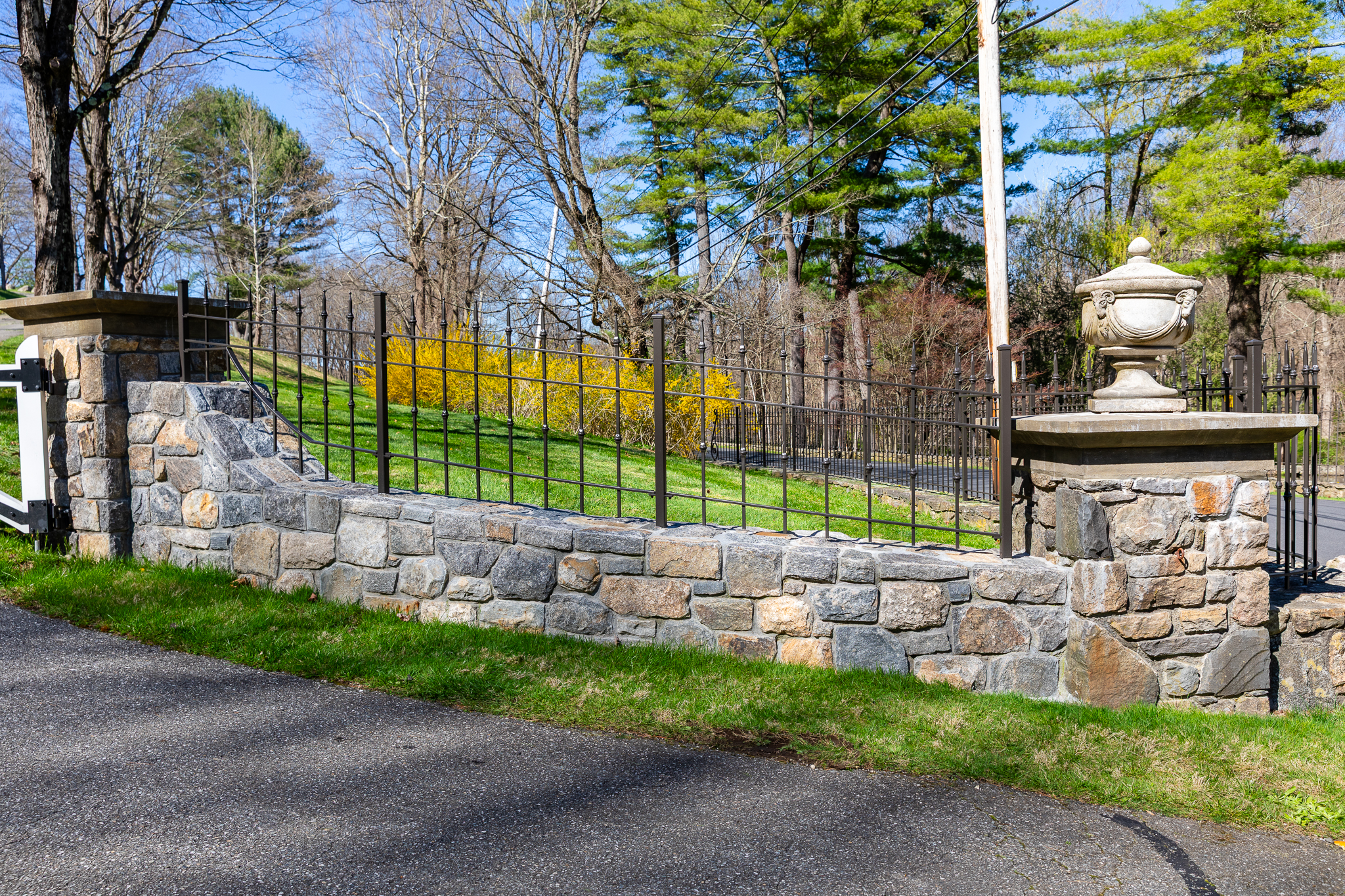
Choosing materials is where function and style meet, and it’s also where many property owners get confused. The good news is that once you know what each choice has to offer, the right one usually becomes clear.
- Steel and wrought iron are the best materials for high-security uses. These metals are very strong, built to last for decades, and can be customized into designs that are as beautiful as they are strong.
- Aluminum is lighter than steel and doesn’t rust easily, so it’s a good choice for wet or coastal areas. A clean, polished look that doesn’t need much care.
- Wood adds warmth and a natural look that metal can’t match. Wood fencing is a popular choice for installations that value privacy, but it needs more maintenance over time.
- Chain-link and welded wire are useful, less costly, and used at many commercial properties. They provide good security around the edges at a lower premium but do not provide as much privacy or aesthetic enhancement.
- Mixed-material fences use a combination of wood, metal, and stone to create a strong, cohesive design. For example, a steel frame with wood panels or a wrought iron fence propped up by stone pillars or installed on a retaining wall can offer style and security.
The best materials for your security fence are those that align with your security needs, your site conditions, and the look you want to live with every day.
What to Look for in a Security Fence Contractor
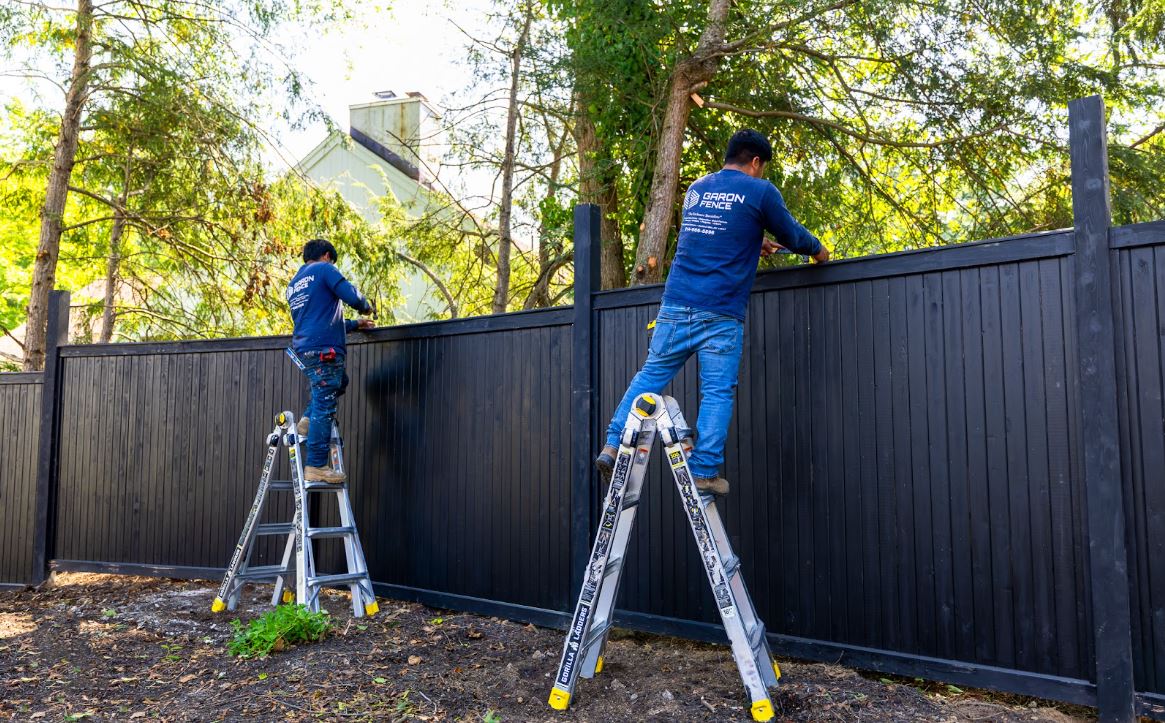
Hiring the right contractor is just as important as choosing the right material. A beautiful design can fall apart quickly in the hands of someone who cuts corners — and a subpar installation can compromise the security you were trying to build in the first place.
Custom Fabrication Capability
There is a significant difference between a contractor who installs pre-made panels and one who designs and builds from scratch. Custom fabrication means your fence is engineered for your specific property, your aesthetic, and your security requirements. It is a higher standard of work, and the result shows.
In-House Work
Some contractors subcontract portions of the job to outside crews, which introduces variables in quality and accountability. A company that handles everything in-house maintains control over the entire process from design through installation. That matters when the final product needs to perform for decades.
A Portfolio Worth Studying
Ask to see past projects, especially ones that match your material preference or style direction. A contractor confident in their work will have plenty to show. If the portfolio is thin or vague, that is worth paying attention to.
Clear Communication
Pay attention to how a contractor communicates before any contract is signed. Responsiveness, transparency about timelines, and a willingness to answer questions are strong indicators of how the working relationship will go.
The Installation Process: What to Expect
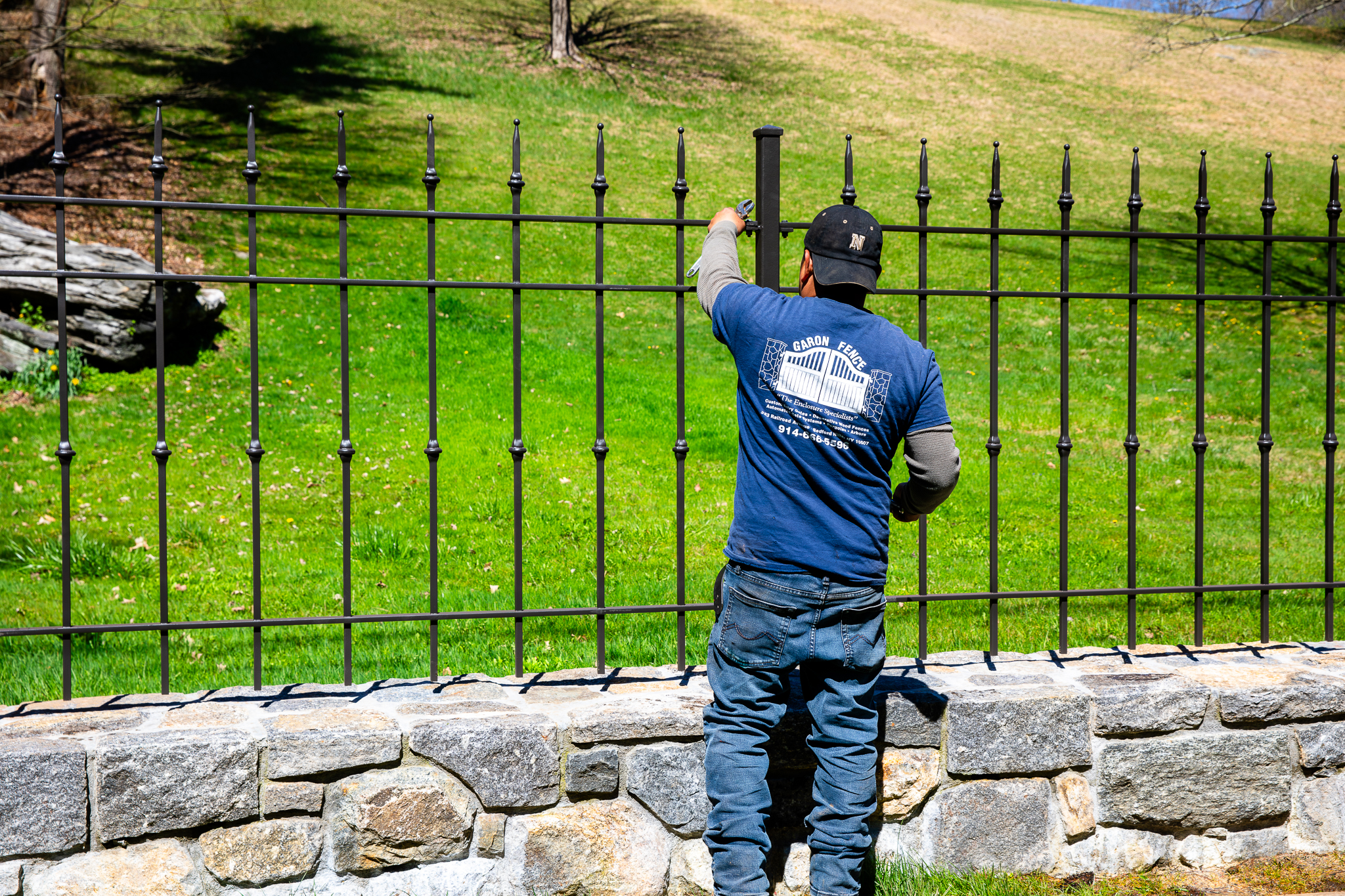
Knowing what to expect from the installation process takes a lot of the stress out of the project. While every job is different, most security fence installations follow a similar path from start to finish.
Site Assessment and Design Consultation
The first step is to carefully assess your property. Before making any design decision, a good contractor will evaluate the terrain, the soil, the property lines, and the access points. At this point, your goals, design preferences, and budget all come together to form a solid plan.
Fabrication
For custom work, the materials are made well before the day of installation. Here is where the real work of craftsmanship happens: steel is cut and welded, wood is prepped and treated, and each part is built to your installation’s specifications. Garon Fence takes care of the whole process in-house, so there are no surprises and no need to hire outside help.
Installation
Once fabrication is complete, the physical installation begins. Posts are set, panels are secured, and gates and hardware are fitted as part of a complete system. A quality crew works efficiently and leaves the site clean when the job is done.
Post-Install Review
Before the project is officially closed out, a final walkthrough confirms that everything is level, secure, and functioning as intended. It is also the right time to ask questions about maintenance and care for your specific materials.
FAQs
How long does security fence installation typically take?
Timeline depends on the scope of the project and the materials involved, the site conditions, and the team behind the build. A straightforward residential installation can take anywhere from a couple of days to a couple of weeks. Larger or more complex projects (especially those with custom fabrication) require additional lead time before installation begins. Your contractor should provide a clear timeline during the consultation phase so there are no surprises.
Do I need a permit to install a security fence?
In most cases, yes. Local municipalities have specific regulations around fence height, placement, and materials, and permits are commonly required before work can begin. Requirements vary by location, so it is important to work with a contractor who knows the rules in your area. Skipping this step can result in fines or having to modify the fence after it is already built.
What is the most durable material for a security fence?
Steel and wrought iron consistently rank at the top for durability. Both materials are extremely strong, resistant to impact, and built to perform for decades with proper care. Aluminum is also a long-lasting option, particularly in humid or coastal environments where rust resistance is a priority. The most durable choice ultimately depends on your climate and the demands of your specific site.
Can a security fence still look attractive and complement my property?
Absolutely. Security and beauty are not competing goals. Today’s custom-fabricated fences can be designed to complement any architectural style, from ornate wrought iron gates to sleek steel panels combined with wood or stone. A skilled fabricator works with your aesthetic vision from the start, so the finished fence feels like a deliberate design choice rather than an afterthought.
What’s the difference between a security fence and a privacy fence?
The primary difference is intent. A privacy fence is designed to block sightlines and create a sense of enclosure, often using solid wood panels or vinyl. A security fence is built to deter and prevent unauthorized access, prioritizing strength, height, and structural integrity. Many properties benefit from a fence that accomplishes both, which is very achievable with the right design and materials.
Does Garon Fence handle projects outside of New York and New England?
Yes. While Garon Fence is based in New York and regularly serves customers throughout Connecticut, New Jersey, and the greater New England area, we also custom-design and build projects for clients across the United States. For customers outside our local service area, we handle the full design and fabrication process and work with you to coordinate delivery and installation logistics.
Ready to Get Started?
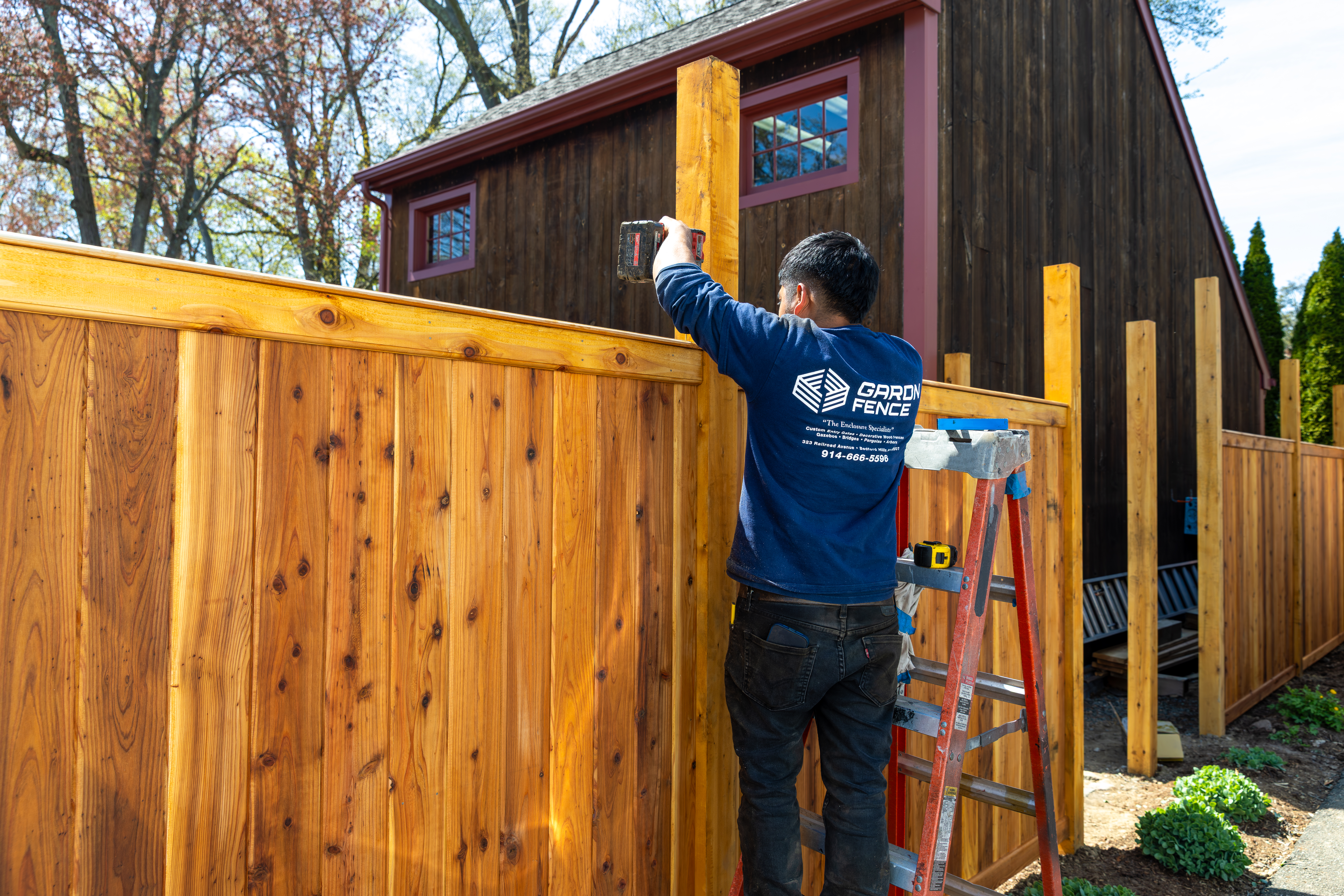
A security fence is a substantial investment, and it deserves substantial craftsmanship. From the initial design consultation to the final post set in the ground, every step of the process matters. At Garon Fence, we design and build custom fences, gates, and structures that are made to last and built to impress. Every project is handled in-house, from fabrication to installation, so the quality stays consistent from start to finish.
Ready to talk about your project? Reach out to our team and let’s build something worth looking at.