Your dream outdoor sanctuary relies on having the right structures in the right places. Pergolas and gazebos are two of the most common options, but they differ widely in design and function.
Understanding what sets them apart can help you decide on the ideal structure that best suits your lifestyle. Here, we examine the fundamental differences between these two structures, the benefits of each, and how to make an informed choice based on your budget and outdoor living arrangements.
What’s the Difference Between Pergolas and Gazebos

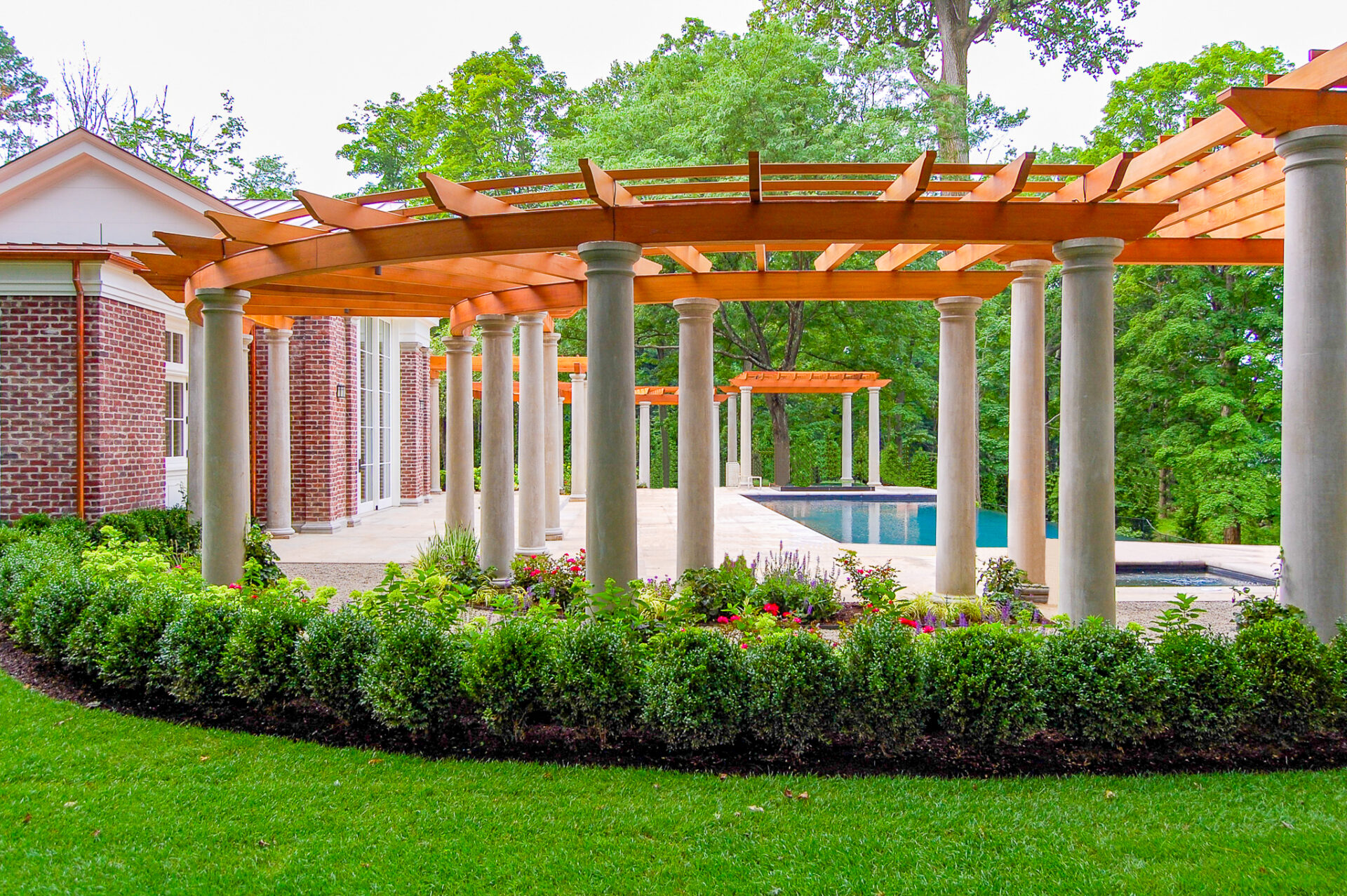
Pergolas are open-style outdoor platforms built with vertical posts supporting a partial roof braced with beams or slats. They create a defined space while still feeling light and airy, offering an ideal outdoor gathering space with minimal enclosure.
Pergolas also offer partial shade, just enough to filter sunlight without completely blocking it. They’re commonly used to frame patios, decks, or garden walkways, and can be enhanced with climbing vines, fabric canopies, string lights, or even retractable awnings. Pergolas work beautifully for homeowners who want an elegant but open outdoor space for dining, relaxing, or entertaining.

Gazebos, however, are fully covered, freestanding structures, usually with a pitched roof and a circular or polygonal shape. They can take many shapes, but conventional gazebos are six-sided hexagons. They offer more protection from both sun and rain, creating a cozy, sheltered retreat for outdoor enjoyment in any weather.
Custom gazebos include decorative details like railings, curtains, or screens, adding an element of privacy. The enclosed design offers an indoor-meets-outdoor atmosphere for quiet reading, afternoon tea, or small gatherings where you want to feel protected yet connected to nature.
The main difference between the two lies in their function and coverage. Pergolas are best for adding style, structure, and a touch of shade to your yard. They invite natural light and airflow, providing a comfortable balance between outdoor openness and cozy protection.
Because gazebos are enclosed structures, they offer greater protection. Their solid roofs provide full coverage, which makes them more practical for year-round use. In terms of design, gazebos have a more traditional look. They’re standalone structures that separate from the home.
Pergolas are more of an extension of the home itself, often built around patios, decks, walkways, and outdoor living spaces. Pergolas also tend to complement modern architecture and contemporary outdoor designs better.
Benefits of Pergolas
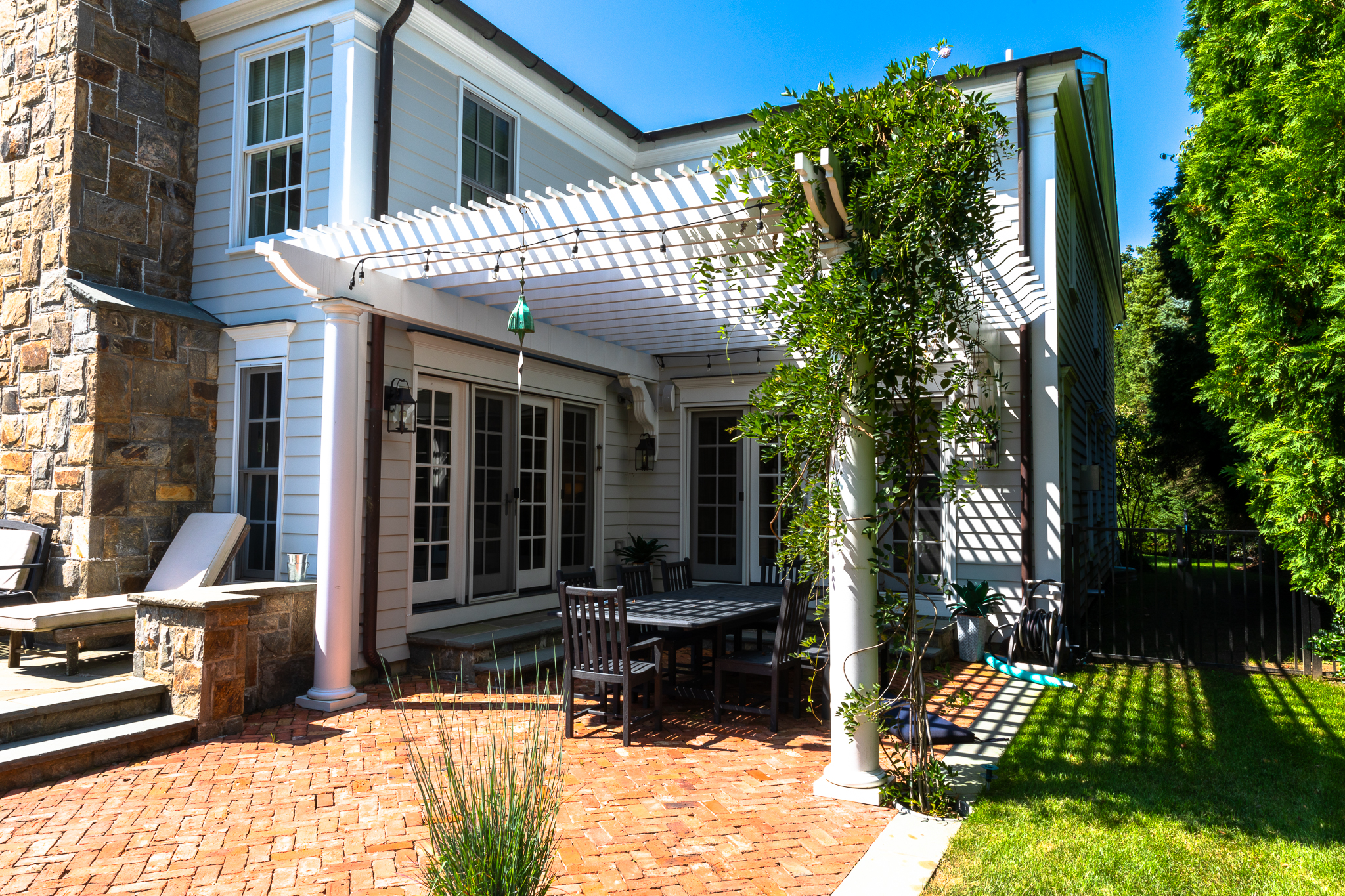
Pergolas offer numerous benefits for enhancing your backyard. Their flexibility is ideal for homeowners who want an outdoor living space that adapts to different needs throughout the day and season.
- Partial shade: If you are someone who enjoys a little sun or the option for shade, pergolas provide the best of both worlds.
- Modern aesthetic appeal: Pergolas can be great for hanging string lights and curtains. They also support climbing plants, adding a lush, natural ambiance to your structure.
- Versatility: Pergolas can be standalone structures or additions to pre-existing decks or patios, elevating outdoor lounges or dining spaces.
- Increases home value: Pergolas can greatly improve your property appeal and resale value. They also characterize your home and can make your home seem larger and more spacious.
- Spaciousness: Depending on the design, pergolas offer more room to host guests if your home is short on space.
- Customizable: Whether you have a small or large space, pergolas can be easily integrated to custom standards. Height and layout can be tailored to your home’s dimensions. Gardens can be seamlessly incorporated into a pergola with planter boxes. Some people incorporate hammocks and fireplaces.
Benefits of Gazebos

Gazebos are a functional yet picturesque addition to yards, parks, and gardens. They offer a cozy place to enjoy the outdoors, no matter the weather.
- Better protection against the elements: Unlike pergolas, gazebos are characterized by roofing coverage, which protects occupants from wet or snowy weather. Immerse yourself in a tranquil rain shower without getting soaked.
- Encourages outdoor activities: It’s no secret that outdoor time is essential to maintaining mental wellness. Gazebos do just that. Whether you are reading a book or enjoying some iced tea after mowing the lawn, gazebos keep you outside enjoying fresh air.
- More than just a lawn ornament: Some people want gazebos to serve them more than just a lounge area. Some use it as a structure to protect their hot tubs or to store their garden supplies, or as a comfortable outdoor workspace that beats a dark, dingy garage.
- Private sanctuary: As standalone structures, gazebos are often built some distance away from the home. This provides the perfect sanctuary for privacy, whether you’re taking a call, meditating, reading, or simply relaxing and unwinding.
- Great for bringing people together: Whether you’re in your backyard grilling with the family or hosting an event, a gazebo helps bring everyone together in a comfortable, protected space, shielding them from unpredictable weather.
- Year-round use: Even in cold climates with sub-zero temperatures and snow, a gazebo with a sturdy all-weather roof can be outfitted for four-season use. Heaters can also be installed, along with vinyl curtains, to help trap heat inside.
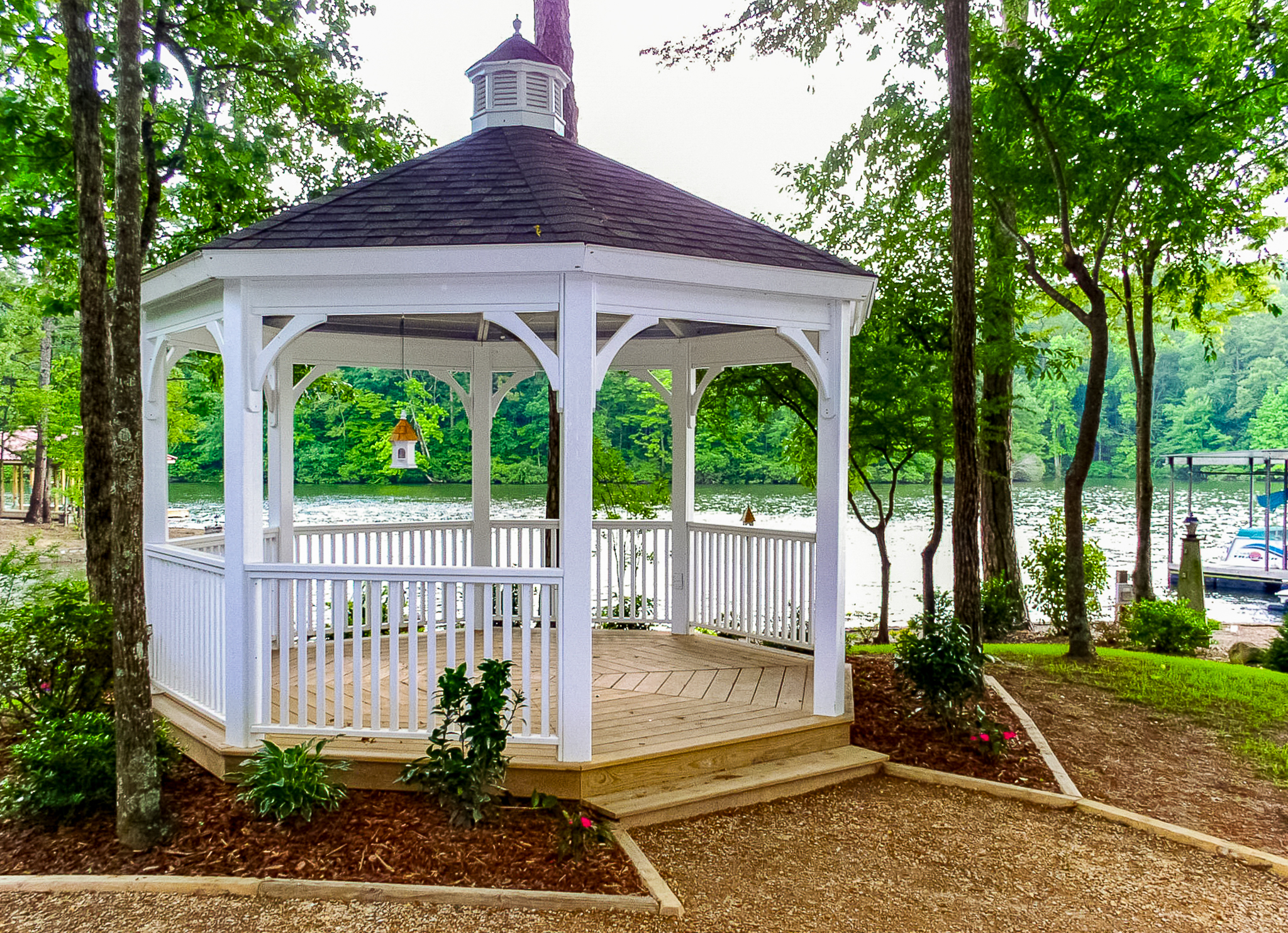
Gazebo vs Pergola: Which Is Right for You?
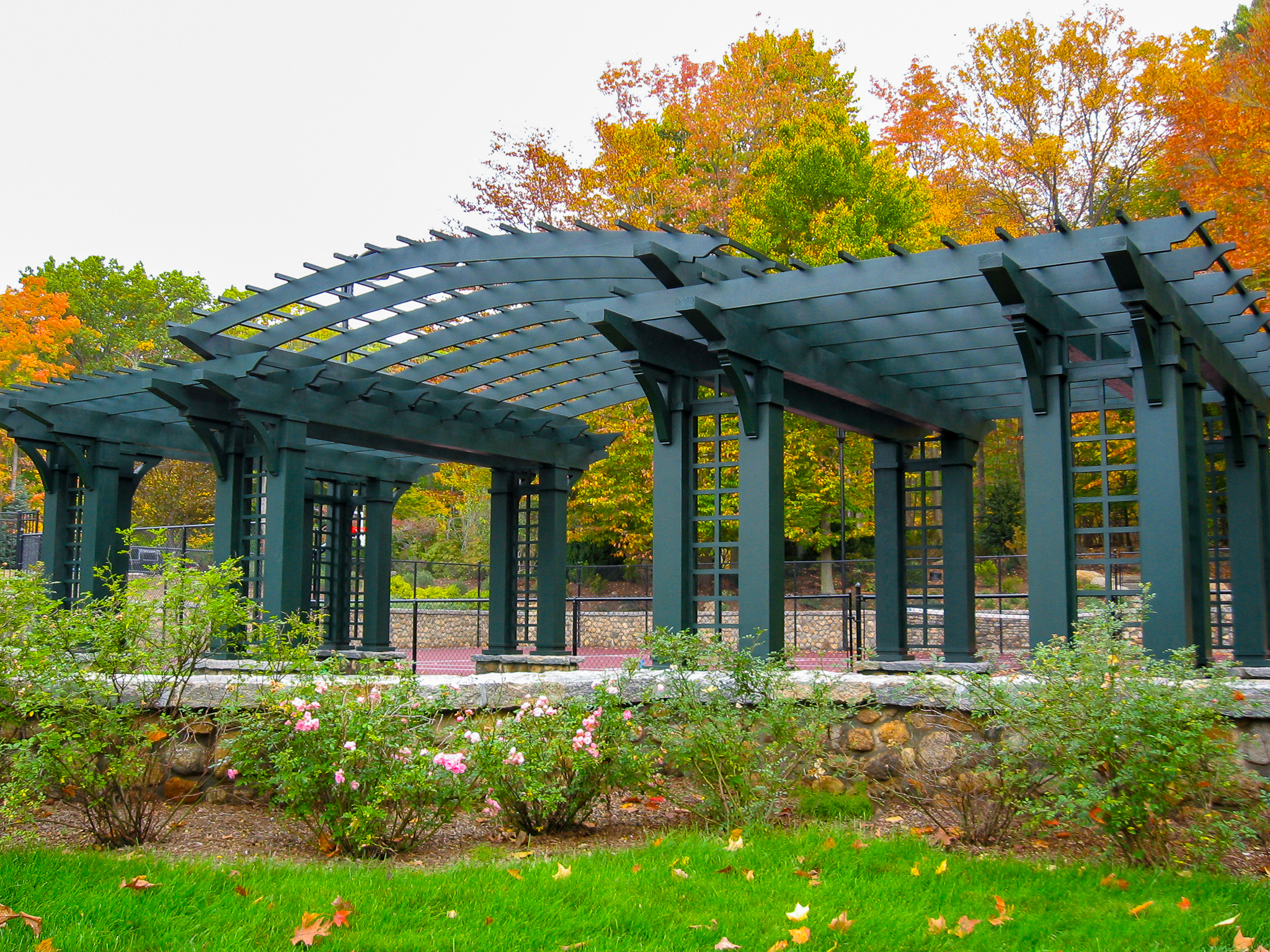
Choosing between a gazebo and a pergola ultimately depends on your project’s budget and how you plan to use your outdoor space.
For a flexible structure that adds visual appeal while allowing filtered sunlight and natural airflow, a pergola is often a preferred investment. However, costs can vary widely—from simple DIY kits to fully custom, high-end builds that rival or even exceed the price of some gazebos—so it’s important to match the design to your budget. Pergolas work well for homeowners who want a slightly more contemporary look and are ideal for integrating climbing plants or hanging décor.
On the other hand, if you seek coverage from rain, snow, and harsh weather conditions, a gazebo offers superior shelter and year-round functionality. Gazebos are great structures if you want a dedicated outdoor room that caters to a range of purposes beyond lounging. They work great as a hot tub enclosure, outdoor workspace, or private retreat away from the main house. The higher upfront cost and maintenance requirements are offset by the structure’s resilience and ability to extend your outdoor living season significantly, especially in climates with fluctuating weather conditions.
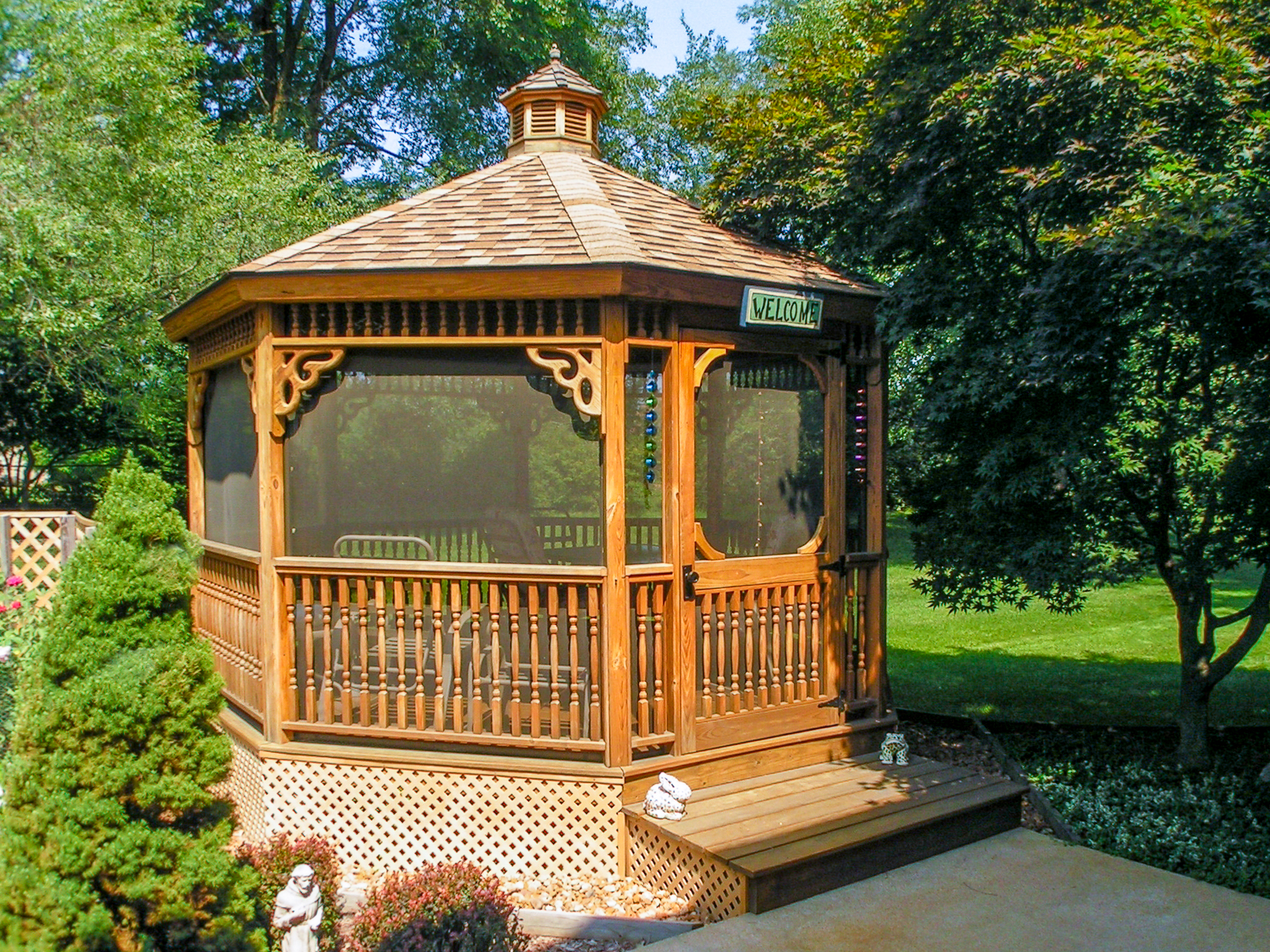
Lastly, take into consideration your yard size, willingness to maintain, and long-term outdoor living goals. A pergola enhances existing patios and works beautifully in smaller spaces. A gazebo requires substantial clearance but delivers unmatched comfort and protection. Both structures increase property value and transform your backyard into an inviting retreat. The right choice simply depends on which benefits cater best to how you plan to use it and how much you’re willing to spend.
Need help drawing a conclusion, or drawing up your project’s plans? At Garon Fence, we custom-build gazebos and pergolas, as well as a wide range of outdoor structures. We’re a New York-based company that handles all work in-house, and we serve customers throughout Connecticut, New Jersey, and the greater New England area. While our business is primarily local installations, we work with customers all throughout the U.S. for their custom project needs. We can custom-fabricate and ship your pergola or gazebo anywhere in the country with detailed guidance for local installation. Get in touch to learn more.

President of Garon Fence, Matt Prato, has transformed the family-owned business into a self-sustaining, independent, and thriving company. He brings expert knowledge in all things involving fencing, gates, and access solutions, shaped by years of hands-on installation and custom fabrication. He is a home improvement and outdoor design expert with decades of experience working on residential projects, and he advises homeowners on practical upgrades for gates, fences, railings, and outdoor installations.