The fencing industry is currently experiencing explosive growth. What was once viewed simply as a way to define property lines or preserve privacy has now evolved into a form of architectural expression and a means to enhance the aesthetic and overall value of residential and commercial real estate.
The fencing industry is evolving from merely defining the boundaries of a piece of land to creating spaces outdoors that are purposeful, safe, and aesthetically pleasing. This industry growth reflects the changing way people view their properties.
What is driving these changes, and what do they mean for someone who is planning a fence project? Let’s examine some of the trends that are shaping the new face of the fencing industry.
Current Market Snapshot
Numbers speak louder than words. The total amount of money spent on fencing worldwide reached $34.72 billion in 2025; by the end of 2026, it will be $36.75 billion.
This represents an increase of approximately $2 billion in just one year. This growth trend indicates that there’s substantial demand for fencing in residential, commercial, and industrial markets.
There are a number of factors that are causing this growth right now. Fencing is often needed for new homes from the start. Infrastructure projects need safe borders. More and more property owners see fencing as a must-have instead of an option.
The pandemic also changed how people think about their outdoor spaces. Fences became critical elements for making private spaces, and backyards became extensions of living rooms. That way of thinking has stuck around, even though the world is now open again.
We can now see a market that no longer sees fences as an afterthought. They’re part of the initial planning conversation. And the industry is responding with better materials, smarter designs, and solutions that really work for how people live now.
Growth Trajectory and Projections
The fencing market is on track to reach $65.17 billion by 2035. That trajectory represents a 6.0% compound annual growth rate (CAGR) over the next decade. In an industry as established as fencing, sustained growth of that kind is notable.
Urbanization is one of the main reasons why the fencing industry is growing. As cities grow and get more crowded, more property owners want privacy, security, and to set clear property lines.
Also, property owners are becoming more aware of how important high-quality fencing is for resale value and potential market value when they sell a property. The fact that fencing can help homeowners in many ways, such as by making their homes more functional, more attractive, and more profitable, is another reason why fencing is becoming more popular.
Another thing that is helping the fencing industry grow is the increasing demand for perimeter fencing for businesses and factories. Businesses like warehouses, distribution centers, and business parks always need secure perimeters. As eCommerce grows and logistics infrastructure continues to improve across North America, more and more businesses need fencing as a basic part of their operations.
There is no bubble in the fencing industry, and trends aren’t changing as radically as other sectors. The fencing industry is growing steadily and predictably because many other industries rely on it. This gives property owners a stable opportunity to make long-term investments in their fencing.
Market Trends Shaping the Industry
The fencing industry is transforming rapidly due to trends that are revolutionizing the way we approach fence design:
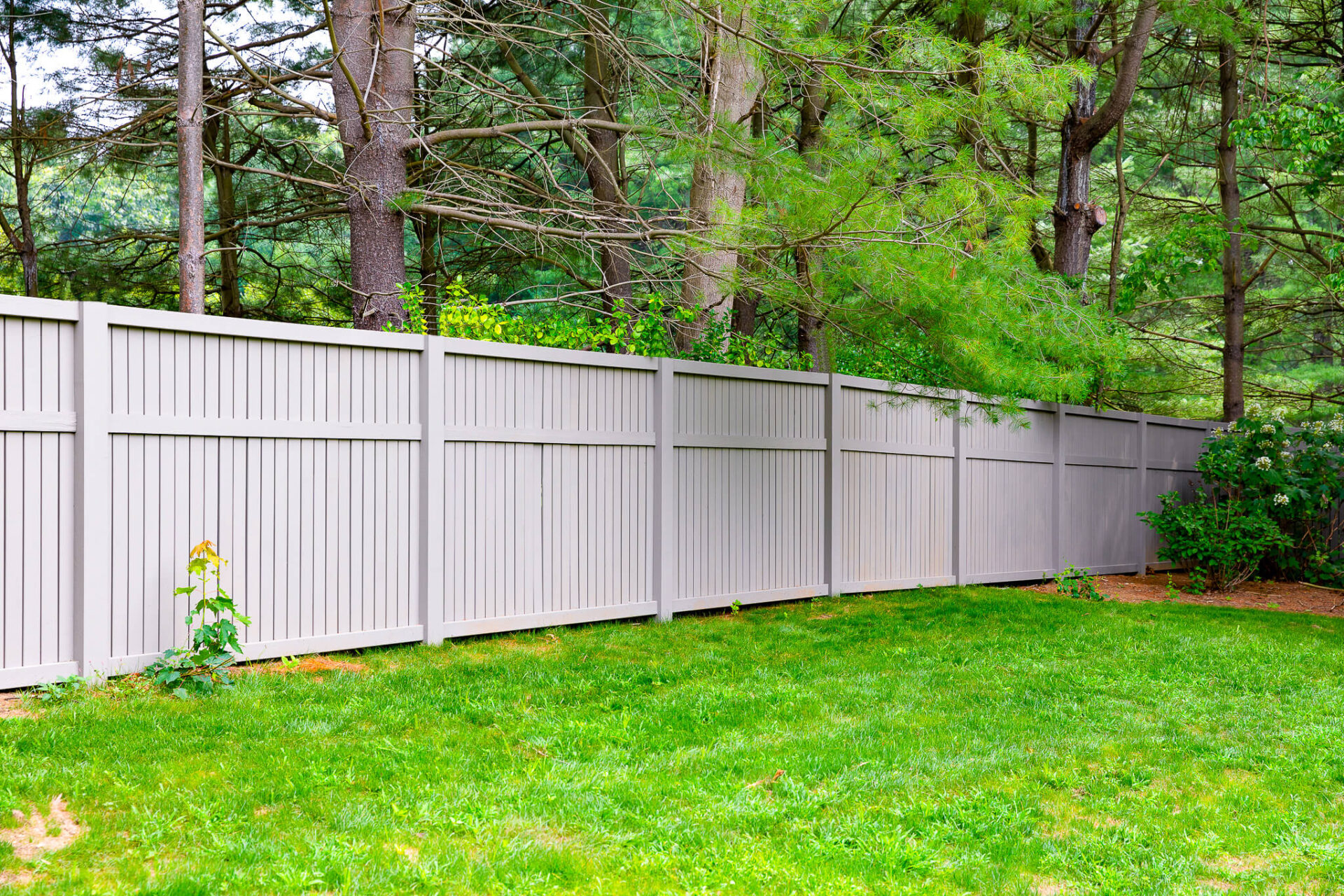
- Composite materials: The best of both worlds – composite materials, like PVC fencing, offer long-lasting performance and low maintenance. Buyers who value sustainability can select products made from recycled plastics or sustainably sourced wood.
- Integration of innovative technologies: With smart technologies integrated into fences (sensors for home security, lights for visibility, automated gate openers, fences are no longer just a passive barrier but an active part of your home’s security system.
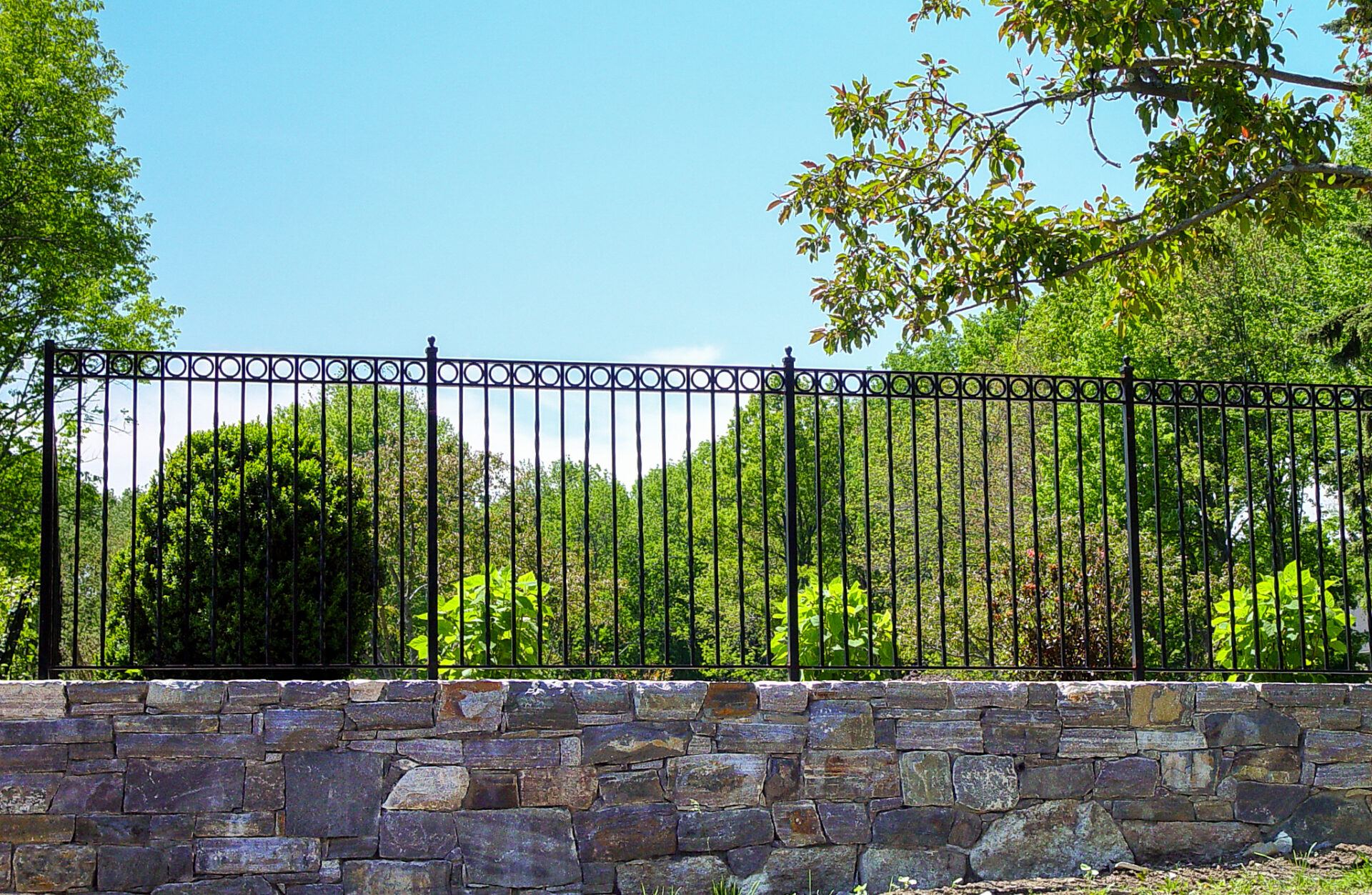
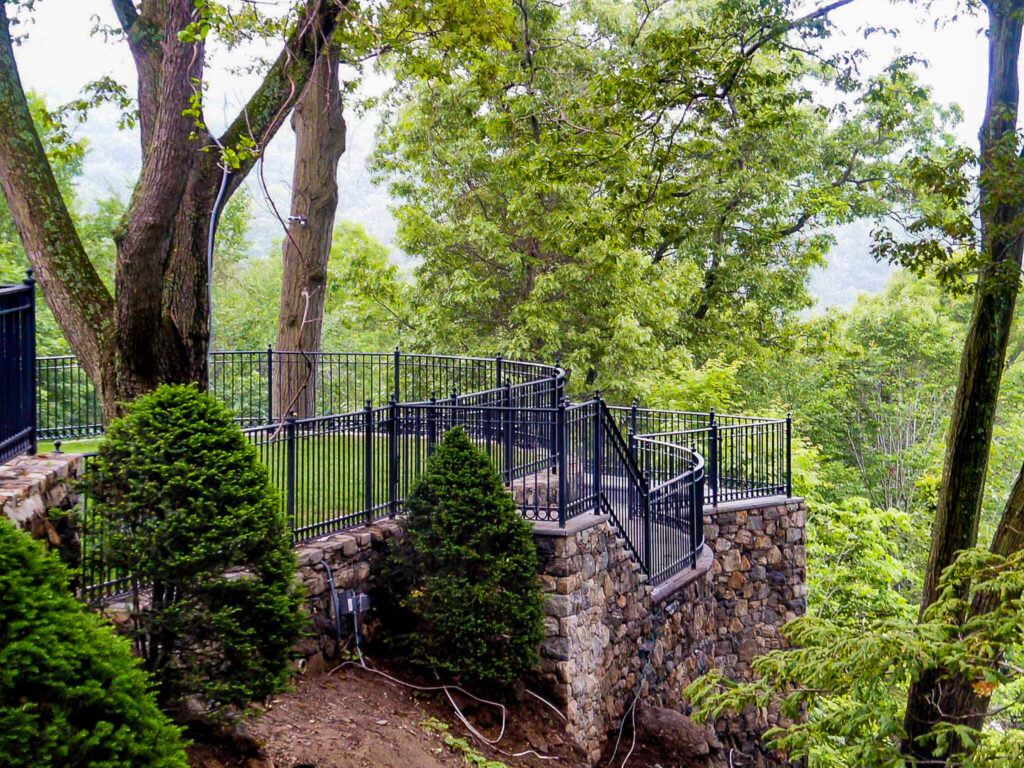
- Custom designs: The cookie-cutter days are behind us; homeowners want fences that reflect their unique personalities and architectural styles. Exceptional finishes and custom fence designs have become the standard rather than the exception.
- The eco-friendly trend: Today’s consumers care about sustainable materials and installation methods. As a result, the industry has responded with eco-friendly options that will minimize environmental harm while maintaining high-quality standards.
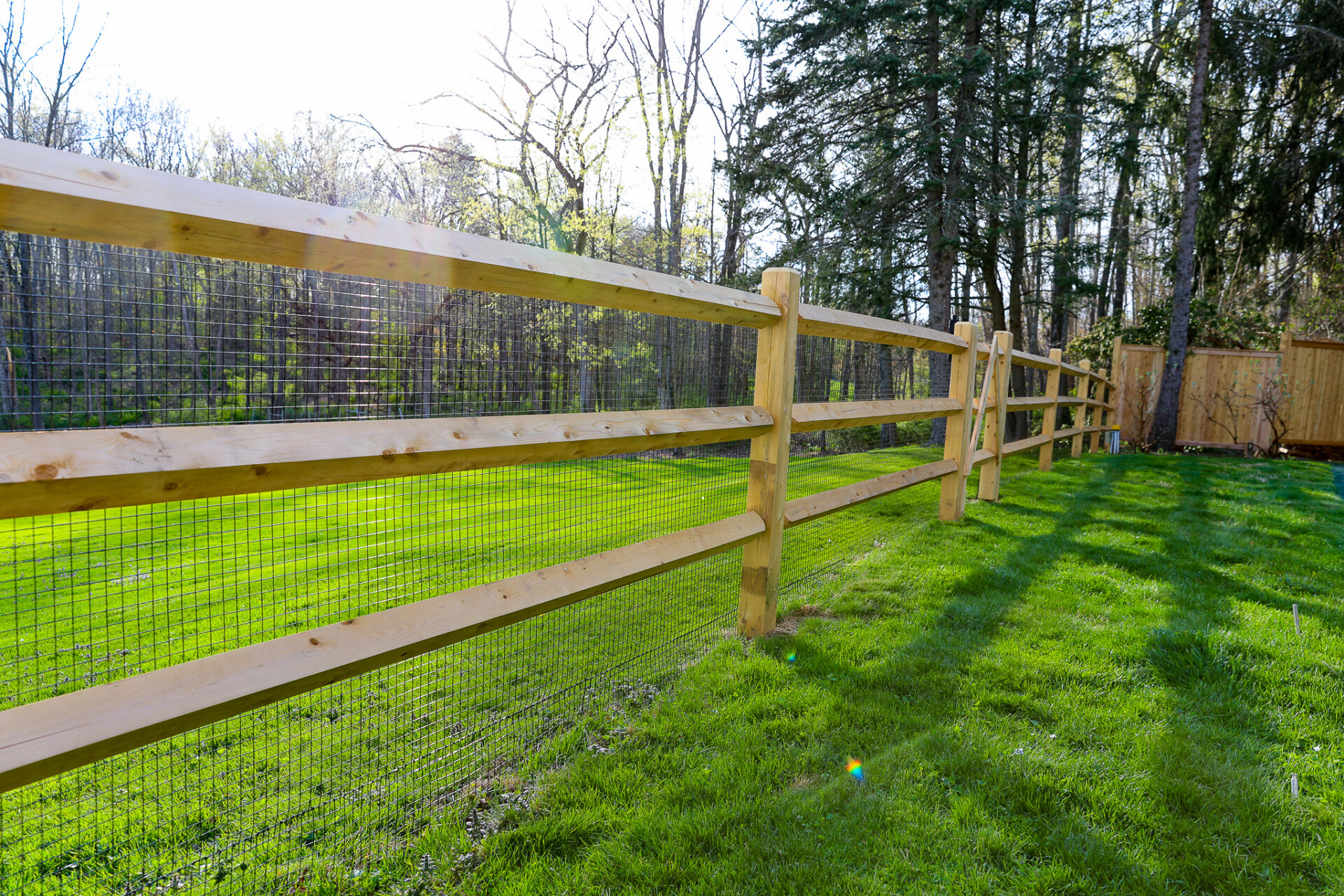
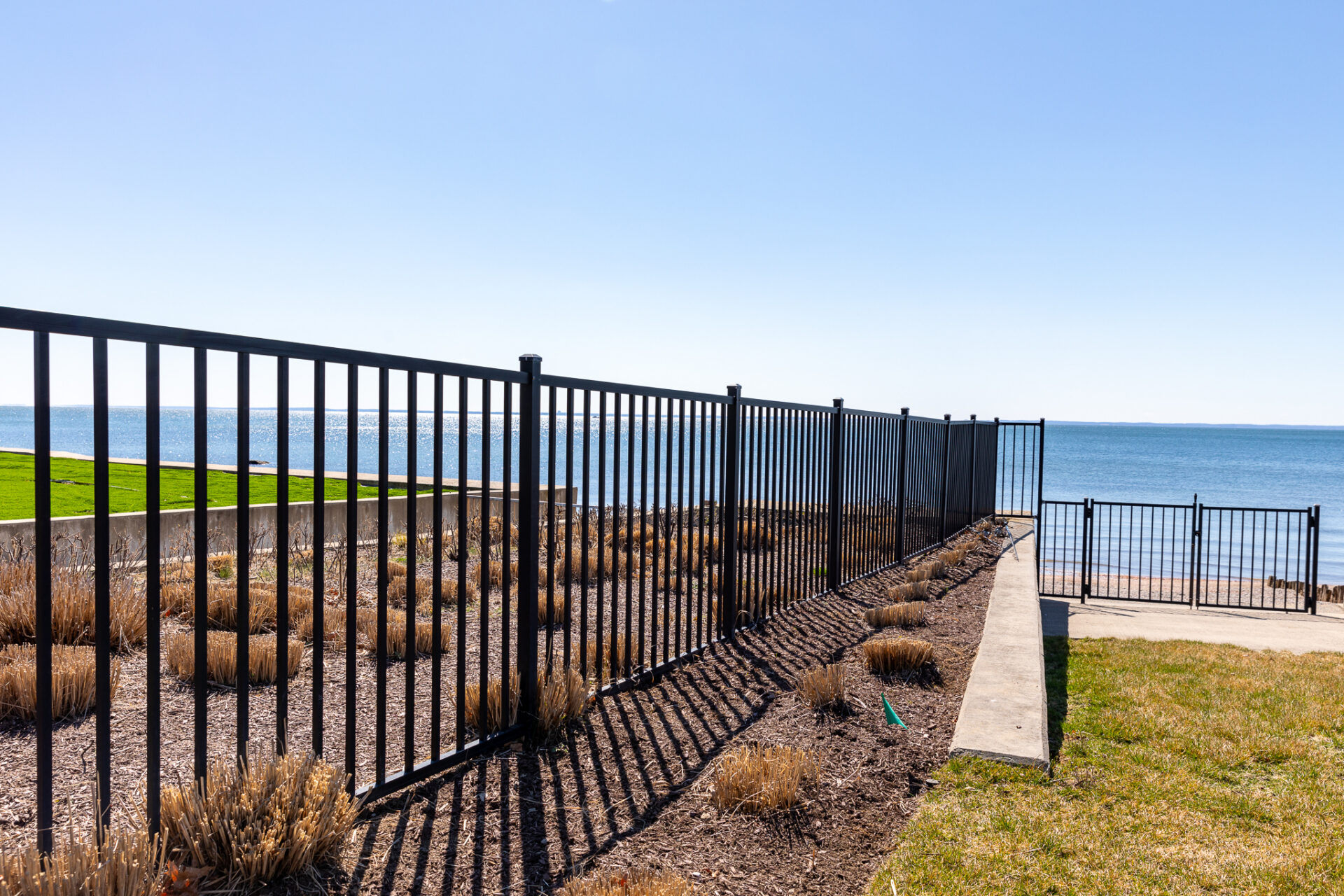
- Regional aesthetics: Design trends also vary based on region. Coastal regions prefer materials that withstand salty air, urban areas prefer modern minimalist designs, and rural property owners often prefer either traditional wood fencing or ranch-style fencing.
What This Means for Property Owners
Quality has never been more important as the market continues to mature. Saving money on materials or installation may be able to provide savings up front; however, it can cost you money in the long run with repair and replacement. The best fence is a beautifully performing fence that lasts for decades.
There is no better resource than a professional to guide you with selecting the right materials, navigating local regulations, and designing a solution that fits your needs. Garon Fence stays current with industry trends so our customers receive fences that deliver beauty and performance.
Investing in a well-designed fence is why the fencing market is growing. The decision to make an investment is not about whether you should spend the money; it is about investing your money correctly.