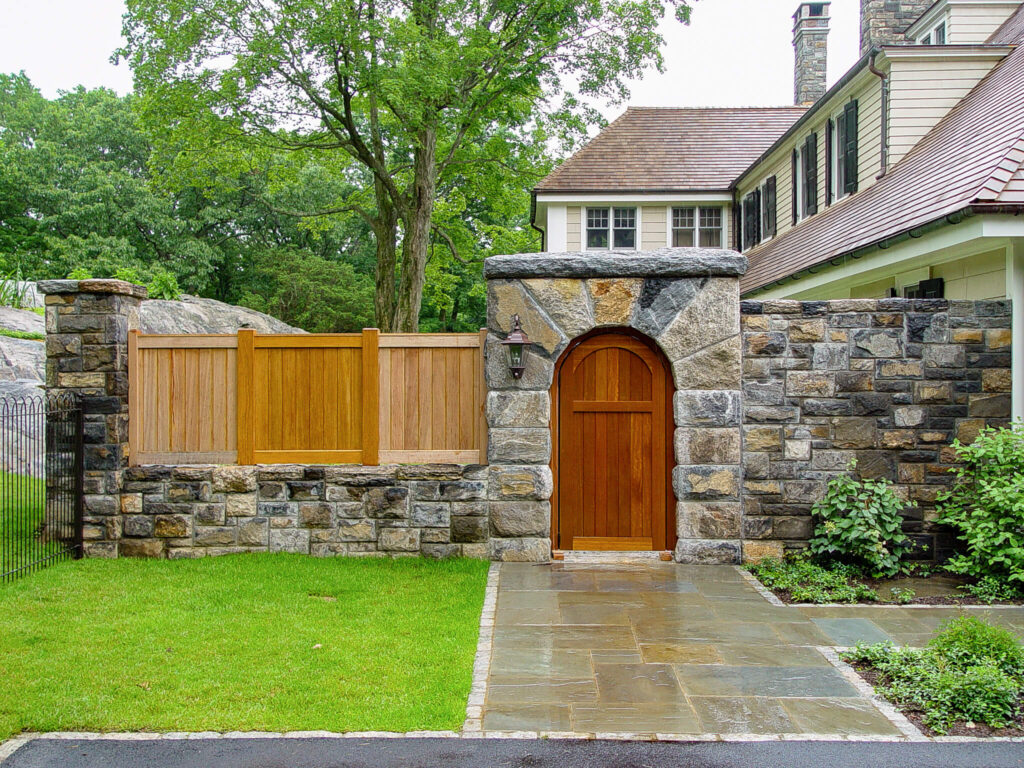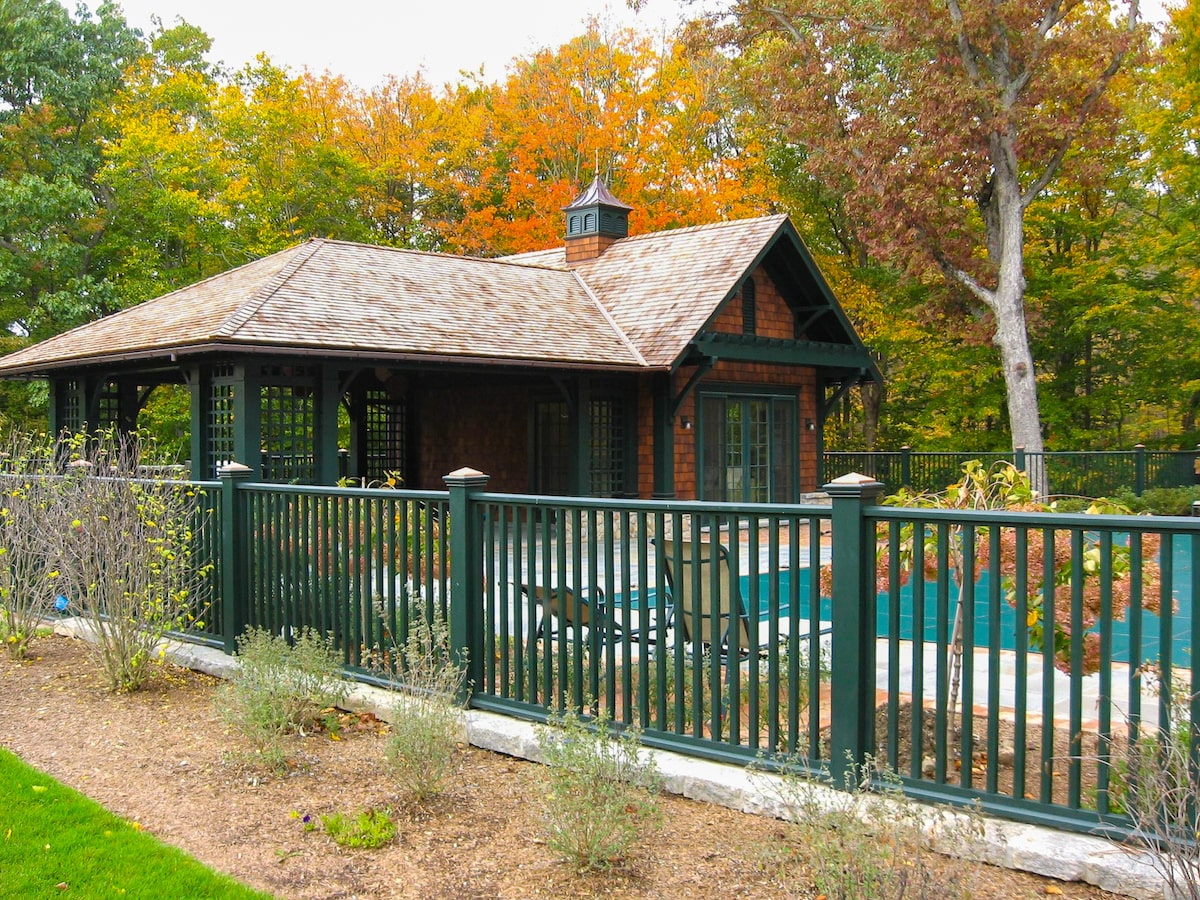
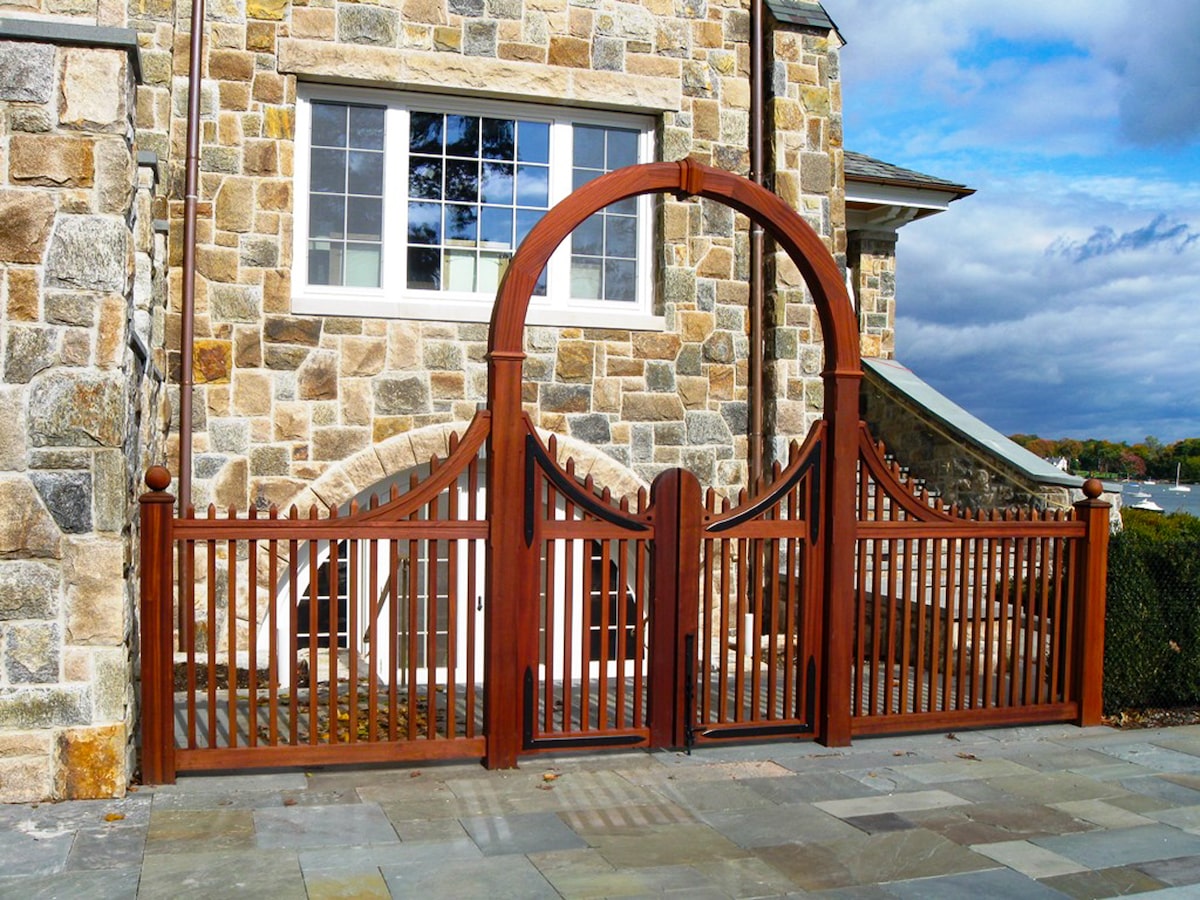
An arbor is a freestanding outdoor structure that combines vertical posts with an overhead framework to create an arched or flat-topped passageway. Arbors generally consist of between 2 and 4 vertical columns connected by horizontal elements (either latticework or beams) and topped by a curved or gable-style roof that creates an inviting canopy for climbing plants and visually directs the viewer upwards.
Arbors serve as a transitional element for entranceways and as an ornamental element to make typical garden paths, fences, and other yard entrances more notable and memorable. Unlike the pergola, which is typically much larger and serves multiple purposes, an arbor is small and focuses on framing a particular moment. This could be the transition from lawn to garden, creating a grand entranceway along a fence line, or providing a shaded area with a built-in bench.
One of the many great uses for these versatile structures is to tell a story through space. An arbor can direct guests down a stone path, indicate when you move from a public to a private area of your garden, or even just be viewed as a sculpture worthy of viewing on its own. At Garon Fence, we’re experienced in custom building arbors for our customers, and in this article, we’re putting them in the spotlight.
Why Choose an Arbor for Your Property?

Arbors allow you to define your outdoor space through structural elements, storytelling, and the purpose of each area. An arbor provides a relatively small footprint for the homeowner to develop their landscape and truly make it look “designed” rather than simply “improvised”.
- Creates an instant sense of arrival: Your arbor defines your entrance to your property. Your guest has clearly entered your private space from the public right-of-way when they see your arbor. Whether it be a front walk entrance, a side gate, or the transition to your backyard garden, an arbor indicates that you have made a conscious decision to create a defined entrance.
- Enhanced curb appeal: An arbor adds vertical visual interest to your landscape by serving as a focal point in the horizontal plane. This adds an element of uniqueness and character to those walking in or walking by. The presence of even a simple arbor will give your fence line a custom and thoughtfully designed appearance.
- Structural support for climbing plants: An arbor serves as a trellis for vines and climbers that would otherwise sprawl across the ground. As the living layers grow over time, they soften the arbor’s framework and create a dramatic, almost movie-like entryway.
- Define spaces without heavy construction: As opposed to larger outdoor spaces, an arbor defines areas in your yard without completely enclosing them. They’re ideal for defining smaller areas in yards with limited size and/or smaller urban lot sizes. The arbor may suggest a space or destination in the yard without obscuring natural light and views.
- Functional for homes and businesses: Homeowners utilize arbors to draw attention to their front gates, garden pathways, and patio transitions; businesses use them to enclose their storefront entrances and outdoor seating areas. Regardless of whether the arbor is used for commercial or residential applications, the structure serves as a purposeful element.
You might also like: 10 Garden Arbor Ideas to Upgrade Your Yard
Arbor Design Styles and Material Options
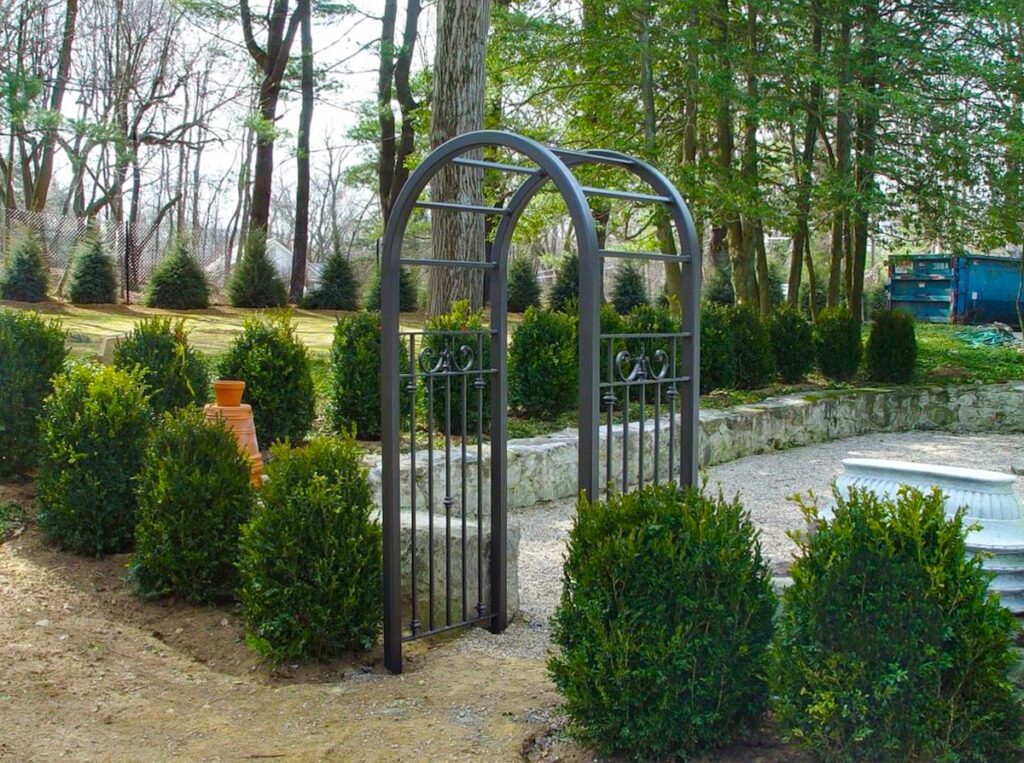
When designing an arbor, there are many choices to be made. The first major decision is the arbor’s structural design (what the arbor will look like), and the second is the material used to make it. This choice will also affect how the arbor ages and will be aesthetically appealing to you and/or others.
The choice of design style and the selection of material will directly influence how the arbor looks/feels, how it weathers over time, and how it relates to the home’s and the landscape’s design style. When working with a custom fabricator like Garon Fence, the idea is to design an arbor that’s unique and custom rather than one from a catalog.
Popular Arbor Styles
Arbor shapes with a curved or arching top rail create a soft, romantic appearance. Arches with curved tops allow for climbing plants to grow up through and cascade down, creating a beautiful drape of flowers. The arch design style would suit most garden styles, including cottage gardens and classic suburban homes and entranceways, aiming to create a warm and inviting atmosphere.
A gable design style has a sloping or peaked roof line similar to many types of homes, which creates a more architectural and structured appearance. Gabled arbors are perfect for colonial, cape, and farmhouse-type homes, and they also serve as a stunning focal point at a gate and/or major viewpoints in your yard.
A flat-top arbor is the simplest of all designs, with straight horizontal top rails and clean vertical posts. The flat-top design lends itself well to modern, transitional, or mixed-style landscaping, as it allows the focus to be on the material and detailing of the arbor rather than on the structural design itself.
Material Choices
Using wood for an arbor creates a sense of warmth and an organic feel, which is easy to incorporate into your landscaping. Cedar and redwood are two types of wood known for their exterior weatherproofing. Wood can be crafted to have a rough or smooth surface, and depending on the type of wood and the way it is finished, it can lend itself to either casual or formal settings.
Metal arbors, whether wrought iron, steel, or aluminum, provide ample structural strength and timeless aesthetics. They can be crafted to include intricate designs and or have clean, sleek lines. Metal arbors are ideal if you are looking to build something that will last for a long time and require little to no maintenance once it’s finished. Metal arbors can give the impression of being high-quality outdoor furniture or decorative metalwork.
Combining wood and metal can create a unique arbor that integrates the aesthetic of wood with the strength and durability of metal. An example of a hybrid arbor would be one with powder-coated metal posts and wooden crossbars, or a metal frame with wooden panel inserts and custom detailing. Hybrid arbors are ideal for those seeking highly customized outdoor structures that are unique and complement their home and landscaping.
Creative Applications of Arbors
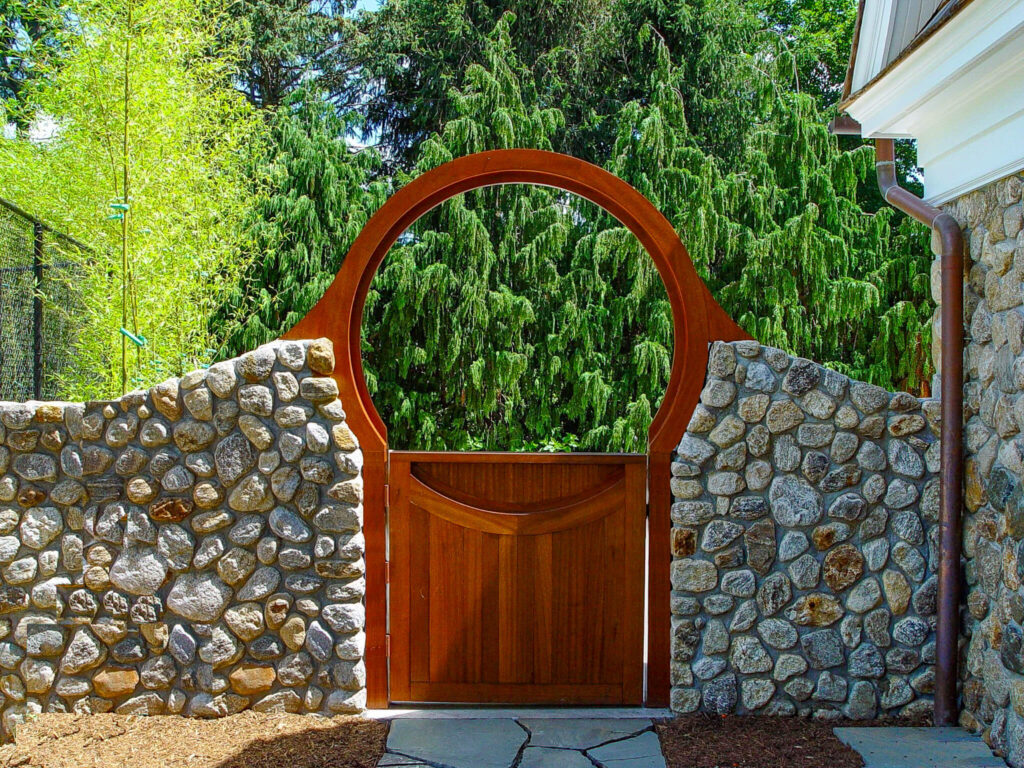
Arbors provide many benefits beyond an entryway to your garden. Arbors can serve as small yet powerful architectural elements that influence how people navigate, congregate, and enjoy your outdoor living space.
There are several unique ways you can apply an arbor to your yard:
- Front entry statement: Define the entrance to your front door by placing an arbor at the entrance of your home’s front yard so visitors feel a sense of arrival when entering.
- Side-yard passage: Provide a sense of exclusivity to a side-yard gate by creating a charming, invitation-only passageway using an arbor anchored to the side-yard gate.
- Vine-covered tunnel: Craft a dramatic, immersive tunnel effect by stacking two to three arbors across a narrow walkway to create a vine-covered tunnel.
- Built-in seating nook: Create a small, intimate outdoor room for coffee and/or quiet conversations by building an arbor with a built-in bench.
- View framing mechanism: Establish a framed view (such as a favorite tree, water feature, or skyline) using an arbor as if it were an outdoor picture frame.
- Spatial divider: Divide zones (such as a play area, a kitchen garden, and an entertainment area) using an arbor and a low fence or hedge.
- Celebration backdrop: Create a photo backdrop for special events (weddings, birthday parties, etc.) using layers of flowers, fabric, and/or light.
- Garden entry marker: Highlight a vegetable or cutting garden entrance with an arbor that supports edible climbers (such as beans), or ornamental climbers (such as climbing roses).
- Nighttime focal point: Incorporate lighting into the arbor so it is illuminated at night and provides a guiding beacon to follow down a pathway to a patio, deck, etc.
- Architectural echo: Use a metal or mixed material arbor to echo details of your railing, gates, or balcony so your property looks like one cohesive design story.
Project and Installation Considerations

When planning an arbor, start with climate and durability. Wood species like cedar and redwood handle outdoor exposure better than many softwoods, while properly finished steel or aluminum offer strong resistance to moisture and insects in regions with harsher seasons.
The next set of considerations is to determine the amount of sunlight your arbor will receive, how much snow load it will need to support, and what level of humidity exists in your area. After determining these factors, choose materials and finishes that match your local conditions to ensure your arbor remains aesthetically pleasing and structurally sound over its life expectancy.
In addition to selecting the right materials and finishes for your arbor, consider the existing landscape of your yard and make sure the proportions of your arbor relate to the adjacent fences, gates, and planting. Ensure the style of your arbor complements the style of your home versus competing with it. When considering how people will use the space of your arbor, think about how plants will grow over and around your arbor. Also, think about how your arbor will be viewed from both inside and outside your home.
Having a professional builder or installer build your arbor will help take your great idea and create a reliable, code-compliant structure. An expert who designs and builds arbors will provide guidance on footing depth, connection points to attach your arbor to your home, and best practices for choosing materials, particularly if building a custom metal or mixed-material arbor.
Working with an experienced company like Garon Fence ensures your arbor’s design integrates with existing or future fencing, railings, or gates to create a cohesive design throughout your property. Investing in professional craftsmanship can result in a finished product that retains its structural integrity over time.
Custom-Built Arbors by Garon Fence
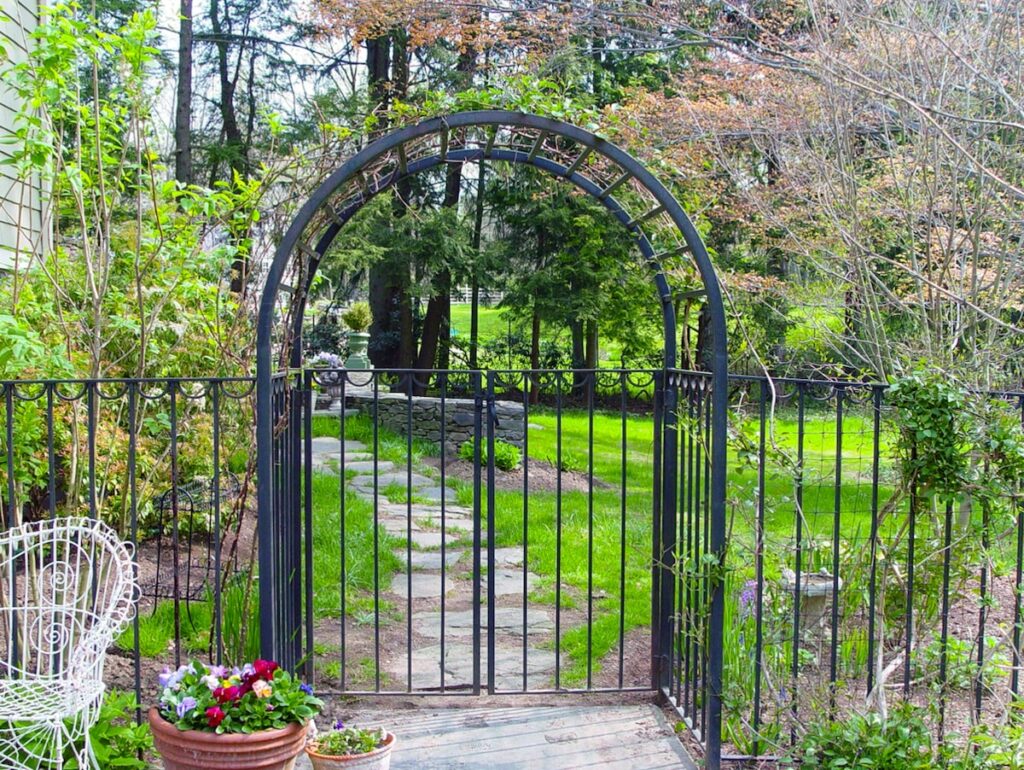
Garon Fence treats every custom-built arbor as a crafted piece of outdoor architecture. With deep experience in custom metal, wood, and mixed-material structures, the team designs arbors that match your climate, your home’s architecture, and the way you actually live outside.
Because all design and fabrication happens in-house, Garon Fence can dial in every detail. That includes how your arbor integrates into your property in such a way that feels cohesive rather than pieced together. Whether you are in the Tri-State area or planning a custom project elsewhere in the U.S., Garon Fence can help you turn “a nice idea for an arbor” into a durable, custom-built focal point that feels tailored to your space. Get in touch to learn more.